Amanda Rolat | Founder, Bramble
Bramble founder Amanda Rolat on building a plant-based pet food brand around health outcomes instead of ideology, why Royal Canin and Hill’s have quietly used plant protein for years, raising $4.5M for a category most investors don’t yet know how to size, and why her senior dogs are shaping the company’s next chapter.
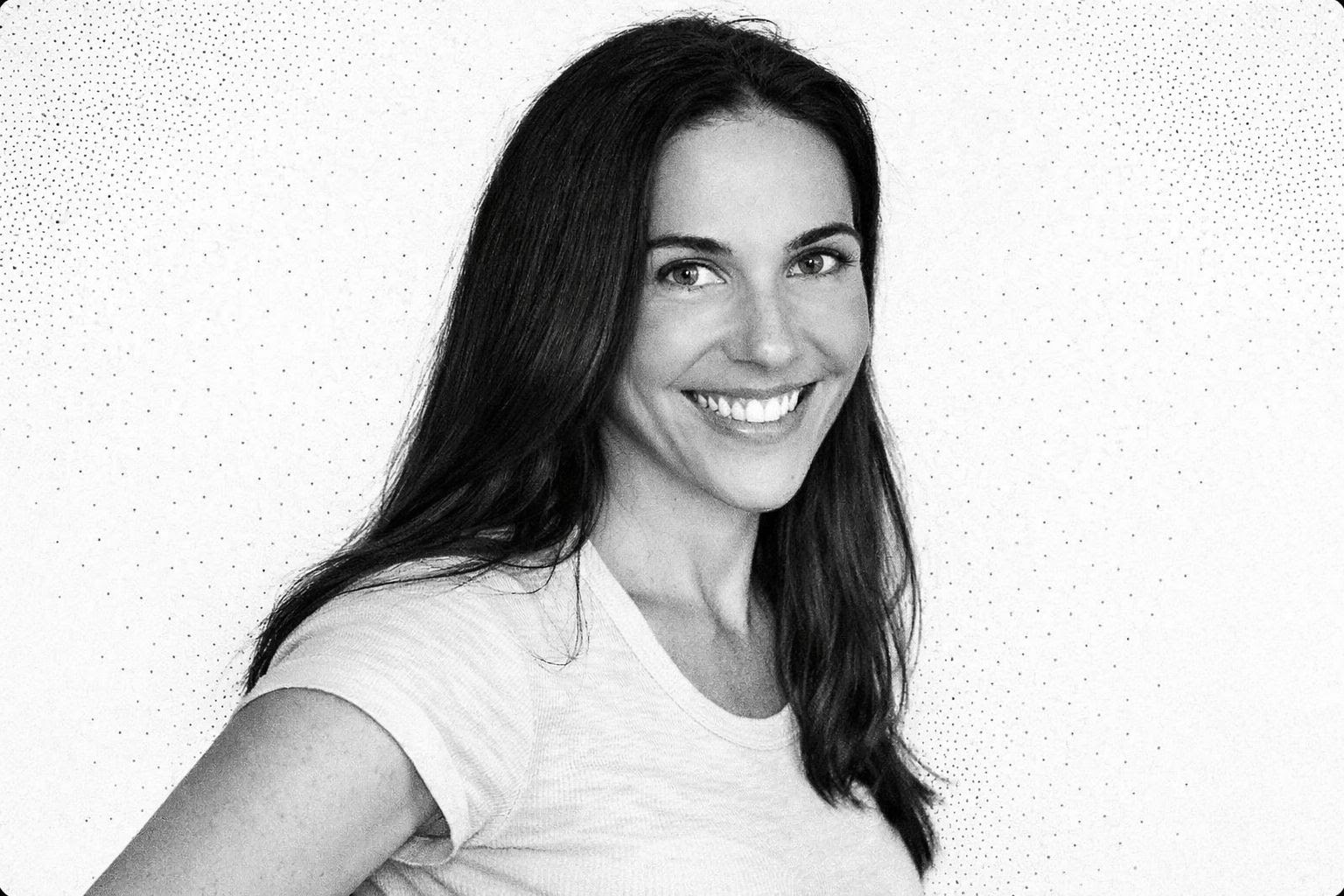
Amanda Rolat didn't set out to start a plant-based pet food company. She set out to fix her dog's allergies. That distinction, health first, ideology never, is what she argues separates Bramble from the wave of ethics-driven animal product alternatives that rode the plant-based hype cycle and largely washed out.
In this conversation, Rolat gets into how a vet nutritionist's suggestion to try tofu became a commercially viable product, why Royal Canin and Hill's have quietly been doing this for years without calling it vegan, and what it actually takes to raise $4.5M for a category that most investors don't yet know how to size.
She also talks about the pressure to expand too fast, the surprisingly warm culture of pet trade shows, and why her senior dogs — fewer teeth and all — are shaping Bramble's next chapter.
Most plant-based pet brands emphasize ethics or sustainability, but Bramble focuses on health outcomes like allergies and kidney disease. What insight gave you the conviction that this positioning could support a venture-scale business rather than remain a niche lifestyle brand?
My own personal experience with my dogs, combined with my experience selling and explaining Bramble to consumers and investors. Deservedly or not, the plant-based hype has faded, leaving behind skepticism about the category's long-term strength and size. This is especially so with respect to plant-based pet food.
This was deeply frustrating to me because I, too, shared doubts about ultra-processed dry vegan pet food, which led me to start Bramble. People assumed it was just vegan pet food for vegan pet owners, but Royal Canin and Hill's have been using plant protein in their hypoallergenic lines and not marketing it as plant-based. One of my dogs needed a hypoallergenic food, so I hired a vet nutritionist to formulate something for me to cook at home, and she suggested tofu.
It worked so well for him, but there was nothing commercially available. I always saw this as a health product. The ethics and sustainability are added bonuses.
Other Interviews
More conversations with founders, operators, and investors building the future of pet care.

Alexandru Bacita | Co-Founder & COO, The Cat Health Company
Cats are living longer, but the drugs for age-related disease have not kept pace. The Cat Health Company, a clinical-stage biotech, has three drugs in trials and 11 more preclinical candidates, and has out-licensed its first therapeutic. Co-founder and COO Alexandru Bacita explains why cats compress the drug-development loop, how the company targets muscle loss and kidney disease first, and why the route to longevity runs through veterinarians and pharma partners.
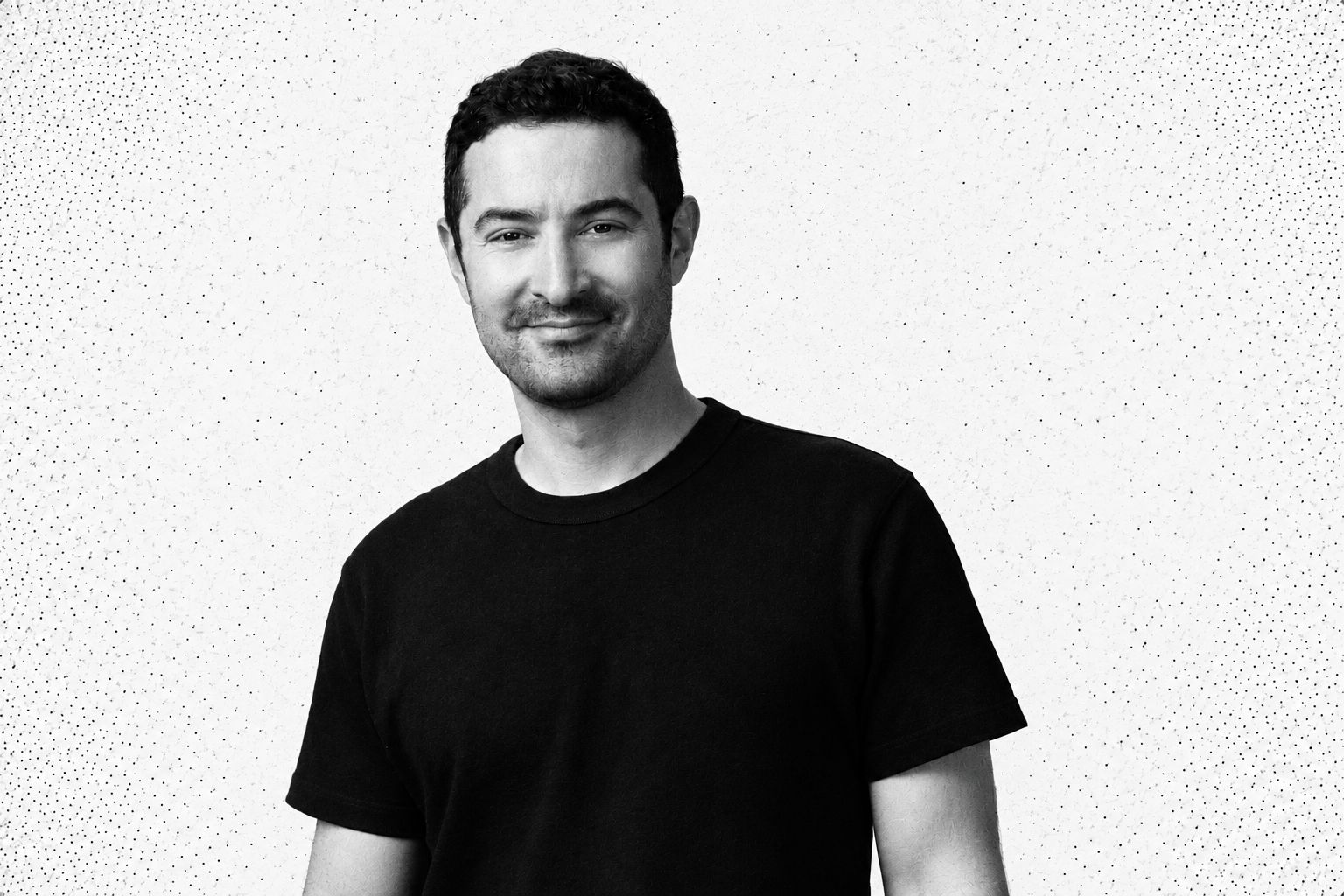
Elias Weiss Friedman | Founder, The Dogist Company
Elias Weiss Friedman spent a decade turning street photography into The Dogist, one of the largest dog-focused audiences online. Now he's testing whether that trust extends to physical products, starting with Vitality, a vet-formulated antioxidant chew built with Dr. Angela Rollins. He talks about the discipline of brand extension, the operational learning curve of a first physical product, and what a decade of stopping strangers on the street taught him about people, not just dogs.

Sarah McLean | Co-Founder & CEO, Big Damn Dog Co.
A joint supplement label that stopped at 60 pounds sent Sarah McLean looking for a product that did not exist. Big Damn Dog Co. is the bootstrapped answer: giant-breed formulations, dosing built for 120-pound dogs, and a customer list the founders still call by phone. Six months after launch, its Gravy Blend already accounts for roughly 40% of joint supplement sales.