Jason Meltzer | Cofounder, Wag!
Jason Meltzer, co-founder and former CEO of Wag!, reflects on building one of the first breakout pet services platforms—raising $400M, scaling nationwide, and learning the hard lessons of trust, logistics, and growth—before turning his attention to a new category: pet-first living with Live Work Pet.

We speak with Jason Meltzer, the cofounder and former CEO of Wag!, and the current CEO and cofounder of Live Work Pet.
In this conversation, we cover how Jason went from walking dogs as a kid to helping build one of the most recognizable pet services platforms in the U.S., what it took to scale Wag! nationally, and how those lessons are now shaping his next venture focused on pet-first living.
You started walking dogs as a kid — how did that early experience shape your approach to launching SurfDog LA and later Wag!?
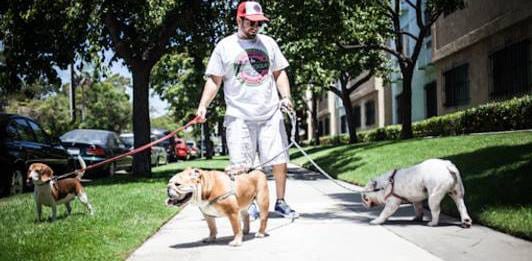
I started walking dogs after school when I was just 11 years old. Our family dog Greystock escaped our yard and had puppies with a neighbor’s dog. A few months later, nearly every household on our block had a puppy—including ours.
When the pups were old enough, I went door to door offering to walk the neighborhood dogs for $10 after school. I picked up a few customers and loved the responsibility.
Years later, after a startup I joined ran out of capital, I found myself looking for work. I had just read The 4-Hour Workweek by Tim Ferriss and was inspired by the idea of building lifestyle companies. I noticed that during midday hours in Santa Monica, the streets were filled with people walking dogs.
They looked happy, relaxed, and tan. I soon realized these were professional dog walkers, and I remembered my old neighborhood route.
I applied for a dog walking job but didn’t get hired. So that same night, I launched SurfDog LA. I created a Facebook page, ordered business cards, and as soon as they arrived, I hit the boardwalk. I handed out cards to anyone walking a dog.
Some dog walkers gave me dirty looks, but then I met a dog mom with two Golden Retrievers who had just moved from Denver. She called me that night and booked me for a walk the next day. I was officially in business.
That experience was pivotal years later when I started Wag. I knew Santa Monica was unique, but dogs were arriving in new cities across America every day. If you could earn trust, people would hire you to care for their dogs. Wag was the chance to scale that insight nationally.
SurfDog LA was your first professional dog walking venture in Los Angeles. How did you land your first client, and what early lessons helped you scale it into a tech-enabled business?
I landed my first client by handing out business cards. I got very good at this—whenever I needed more clients, I would head out during what I called the “golden hours”: weekday mornings around 7–8 AM, after-work hours around 6–7 PM, and midday on weekends. I had a signature move that made it almost impossible for someone not to take my card.
I also built a solid website, was early on Facebook marketing, and focused hard on getting Yelp reviews—but nothing beat word of mouth.
The biggest lesson I learned was that I was selling trust and convenience. These became the core values of Wag’s brand, and we never compromised on them. At SurfDog LA, I stood out by offering a free meet-and-greet before starting any walks.
I’d show up in person, sometimes with teammates, and take notes on everything—where the leash was, what food the dog liked, what snacks to give after the walk. If a client called me months later, I’d refer to my notes and remember every detail. That earned trust, and we built this system directly into Wag with dog profiles and in-app meet-and-greets.
You helped build Wag! into the “Uber for dog walking.” What were the biggest operational or growth challenges you faced early on, and how did you overcome them?
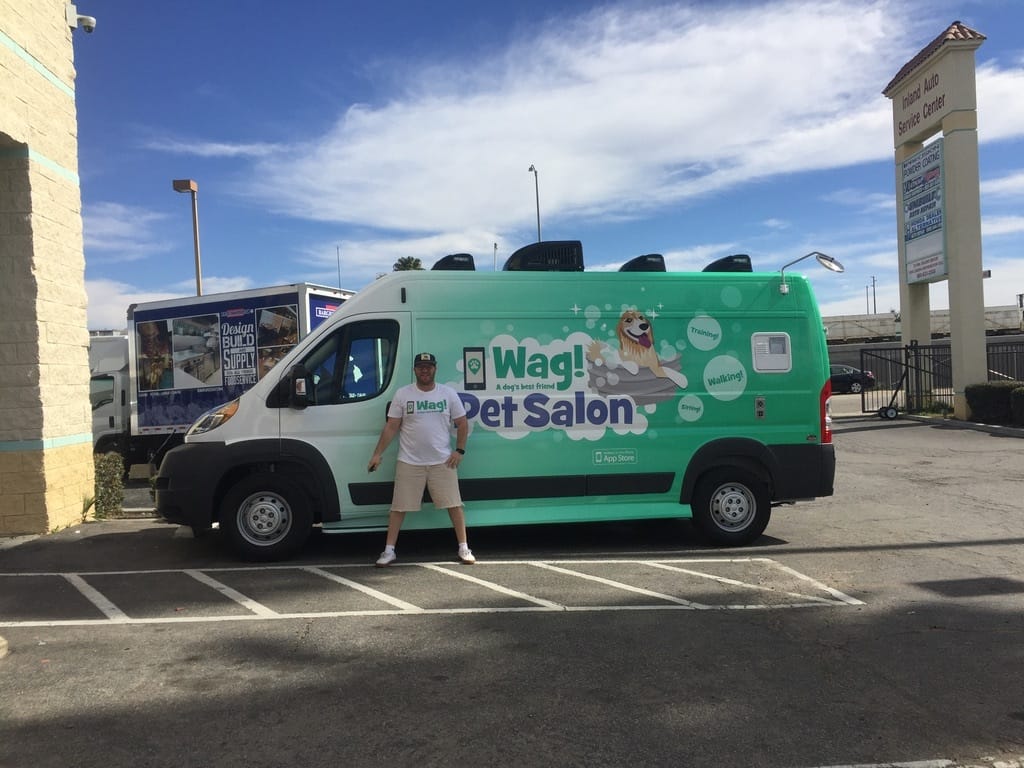
There were always challenges, but one of the biggest early ones was getting our key lockboxes to customers. Home access was critical to our business, so distributing lockboxes efficiently was a top priority.
At first, we’d buy locks from Walmart, manually code them, and send people across LA to install them. It felt like we were running a mini post office. Demand grew fast, and this process became chaotic.
We tried everything—segmenting cities into delivery zones, using Amazon and wholesalers to cut costs, even partnering with startups like SHYP for fulfillment. At one point, we were SHYP’s biggest customer.
Eventually, I found a breakthrough. We started manufacturing our own branded lockboxes overseas, bringing the unit cost down from $15 to $2. Then I contracted with 3PL providers and opened regional fulfillment centers on the West Coast, Midwest, and East Coast.
We brought shipping costs down from $10 to $3 and delivery times from weeks to under 24 hours.
It was a massive win, and we started exploring even more efficient access options like smart lockboxes, which we never launched but came close.
What were some of the biggest growing pains or platform failures during Wag’s early days, and what would you do differently if launching today?
We were always focused on growth—sometimes at the expense of stability. Growth came first, then customer support, then product. I often pushed for us to pause and optimize systems before scaling further. Back in 2018, I suggested testing AI agents for customer service. Our agents were incredible, and the AI could have learned from them to offer better support at scale.
Pet care is a high-touch business, and customer support needs to triage and prioritize effectively. If I were launching today, I’d still set aggressive growth targets—but once they’re hit, I’d pause to stabilize and improve operations before pushing again. If you move too fast without the right infrastructure, you crash.

What was your most successful customer acquisition strategy at Wag!, and how did you build trust with pet parents?
Our most successful acquisition strategies were a mix of paid social, influencer marketing, and PR—but what made them work was how much we focused on trust and safety at every step. When you’re asking someone to hand over the keys to their home and their dog, trust isn’t a feature—it’s the product.
We emphasized that every walk was insured, guaranteed, and GPS-tracked, with detailed report cards and photo updates after each visit. We made sure pet parents knew that if anything went wrong, Wag! would make it right, and that we had a real customer support team invested in their experience.
Influencer marketing also played a big role in both brand building and conversion. We partnered with high-profile dog lovers—like Kendall Jenner, Olivia Munn, and everyday creators who resonated with our audience—to showcase real moments of pet care and peace of mind. The social proof wasn’t just flashy; it made the platform feel safe, familiar, and credible.
All of these efforts worked together to reinforce a simple message: you can trust Wag! with your dog. That’s what truly unlocked the growth.
How much funding did Wag! raise under your leadership, and what advice would you give founders raising money in the pet tech space today?
Wag raised $400 million in total venture capital, and my parents proudly invested the first $25,000—shoutout to Janet and Larry!
My advice: raising money sucks, no matter how good you are. It will push you to the edge. More than once, we thought we were days away from shutting down, only to get fully funded last-minute. You can’t give up.
Be efficient. Make the money last. Know exactly where you are in your product-market fit journey and what it will take to get to growth stage. Set clear metrics for future fundraising and align your team around them.
And remember—capital is a commodity. What matters most is whether you’ll be a good steward. That doesn’t mean take money from just anyone, but don’t get hung up on the name on the check.
Wag! expanded quickly into new markets. What was your framework for deciding when and where to launch next?
Once LA was working—supply met demand, our marketing was driving growth—we had to prove the model was repeatable. SF was a natural next step. I moved up there with a small team to onboard walkers, meet with VCs, and find partnerships. It worked.
Then came the real test: New York City. I flew to NYC and stayed in a different Airbnb every week. My goal was to open the city in 30 days—and make it home in time for the birth of my daughter, Lilah. I onboarded 100 walkers, hired a city manager, and launched just in time. That proved we had a playbook—and we ran it again and again across the country.
Wag! was one of the first major players in the pet services app space. How do you think the market has evolved since then, and where do you see the biggest opportunities today?
Wag was one of the earliest to bring real tech infrastructure to pet services. Today, no one questions whether the pet industry is big—it’s over $140 billion annually in the U.S.
The biggest opportunity now is integration. There are great point solutions, but what’s missing is a unified pet lifestyle platform—one that bundles health, care, community, and daily routines into a seamless experience. That’s what we’re building at Live Work Pet.
Are you working on anything exciting nowadays that you’d like to share?
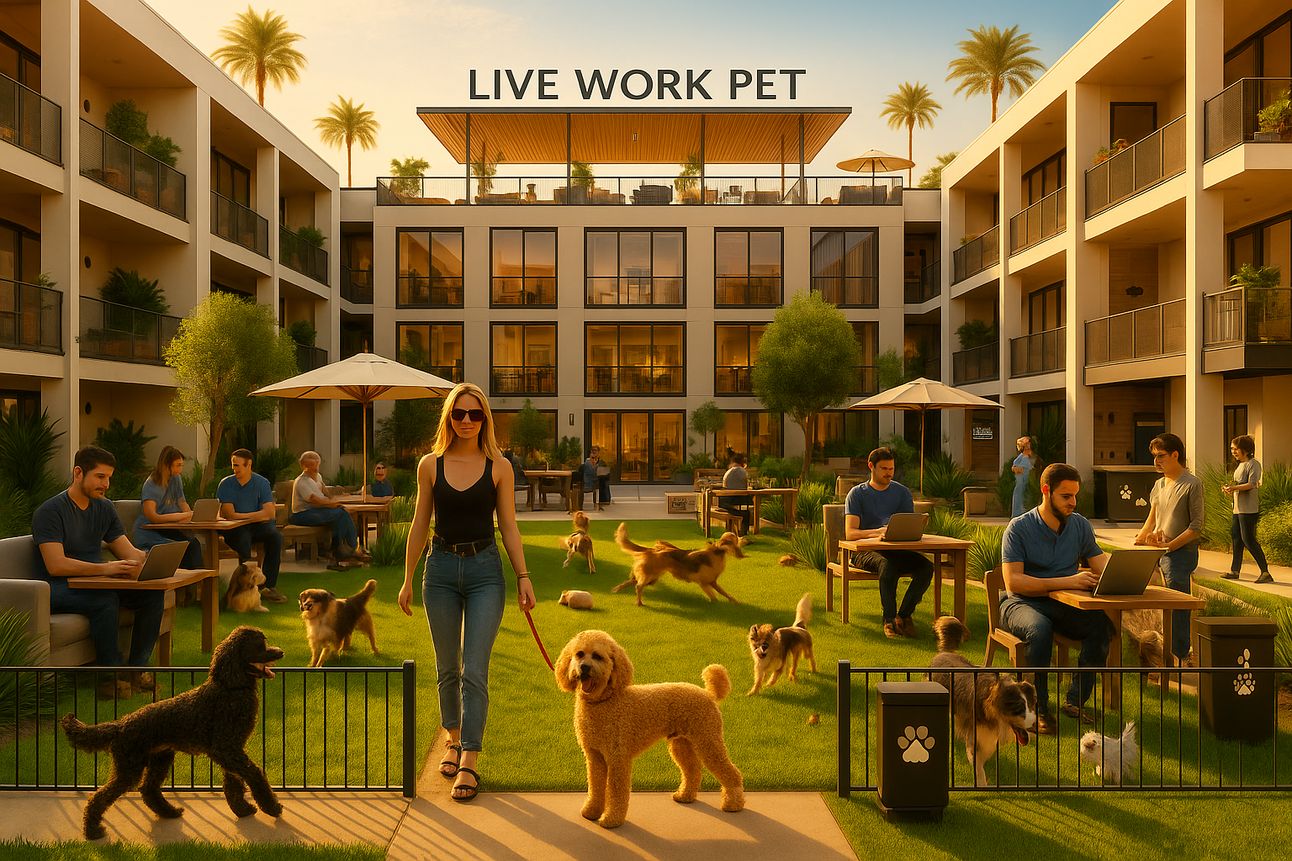
Yes—Live Work Pet is the first vertically integrated lifestyle community designed entirely for pet parents. We combine modern apartment living with fully integrated pet care services—daily walks, grooming, on-site boarding, even vet visits—bundled into rent.
Our first 52-unit flagship opens in Denver this year, with more cities to follow. This isn’t pet-friendly living—it’s pet-first, by design.
Other Interviews
More conversations with founders, operators, and investors building the future of pet care.

Alexandru Bacita | Co-Founder & COO, The Cat Health Company
Cats are living longer, but the drugs for age-related disease have not kept pace. The Cat Health Company, a clinical-stage biotech, has three drugs in trials and 11 more preclinical candidates, and has out-licensed its first therapeutic. Co-founder and COO Alexandru Bacita explains why cats compress the drug-development loop, how the company targets muscle loss and kidney disease first, and why the route to longevity runs through veterinarians and pharma partners.

Elias Weiss Friedman | Founder, The Dogist Company
Elias Weiss Friedman spent a decade turning street photography into The Dogist, one of the largest dog-focused audiences online. Now he's testing whether that trust extends to physical products, starting with Vitality, a vet-formulated antioxidant chew built with Dr. Angela Rollins. He talks about the discipline of brand extension, the operational learning curve of a first physical product, and what a decade of stopping strangers on the street taught him about people, not just dogs.

Sarah McLean | Co-Founder & CEO, Big Damn Dog Co.
A joint supplement label that stopped at 60 pounds sent Sarah McLean looking for a product that did not exist. Big Damn Dog Co. is the bootstrapped answer: giant-breed formulations, dosing built for 120-pound dogs, and a customer list the founders still call by phone. Six months after launch, its Gravy Blend already accounts for roughly 40% of joint supplement sales.