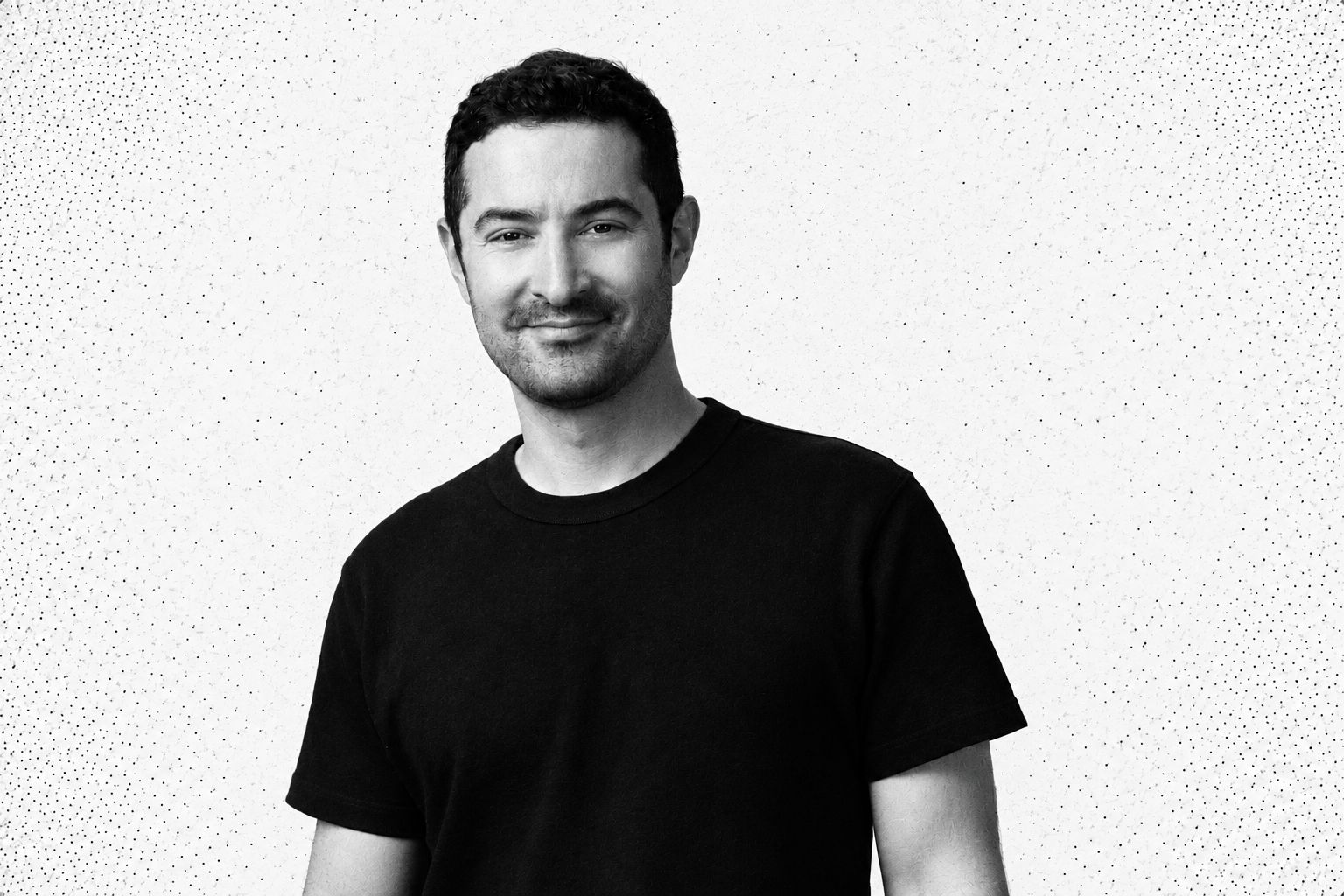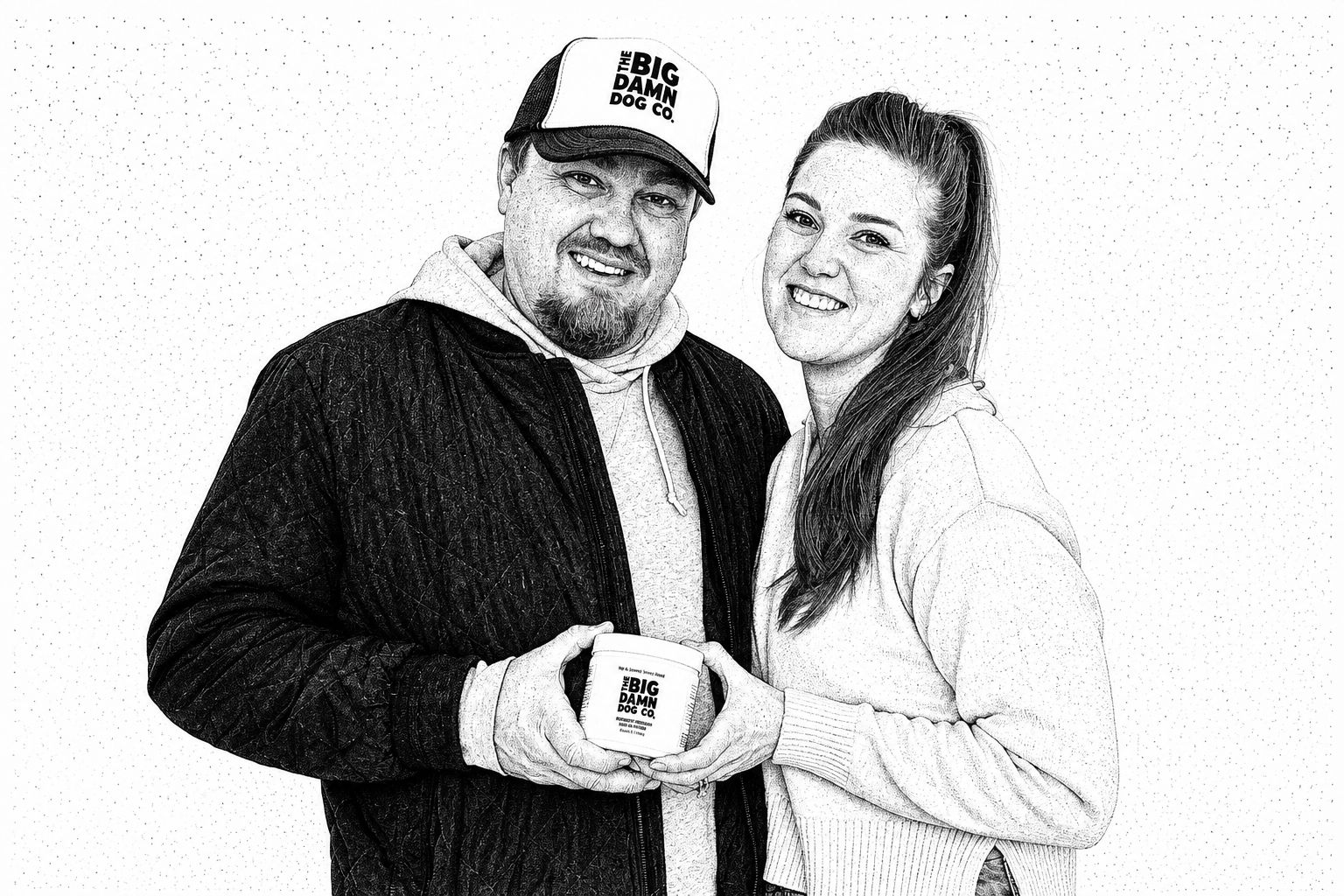
Mark & Erik Johnson | Founders of BarkDine
Mark and Erik Johnson, the father-son founders of BarkDine, share how decades of hands-on pet industry experience evolved into a premium private-label manufacturing business—covering sourcing realities, scaling from 7,000 to 40,000 sq ft, functional natural chews, sustainability tradeoffs, and where private label is headed in pet over the next five years.
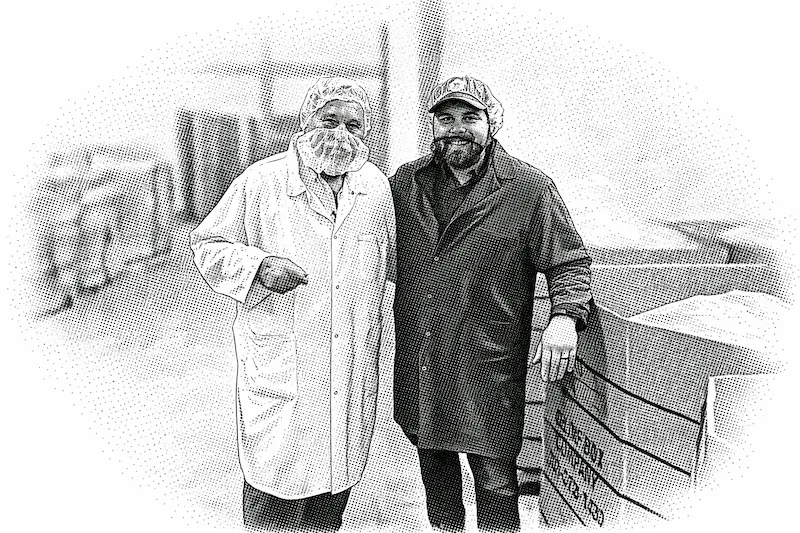
We spoke with Mark and Erik Johnson, the father-son duo behind BarkDine, a private-label manufacturer of premium-quality natural animal chews.
In this conversation, they share how decades in training, showing, selling, and manufacturing shaped BarkDine’s approach to product development, why private label is becoming one of the most strategic positions in pet, how they think about sourcing and scale, and what’s coming next for the business.
Mark, with over 30 years in the pet industry—from training and showing dogs to launching treat companies—how has your hands-on experience shaped BarkDine’s approach to product development and innovation?
My three decades in the pet industry, starting as a dog owner and trainer, shaped BarkDine's product development by emphasizing customer and canine needs. My experience in showing and breeding dogs highlighted the importance of diet for overall health and appearance, which in the show world is very much critiqued.
Working as a sales rep for pet food distributors provided Mark with extensive knowledge of canine nutrition, beneficial ingredients, and their impact on health. Visiting hundreds of retailers taught him about pricing, presentation, positioning, and the critical role of product education in sales.
Transitioning to manufacturing, Mark leveraged his background to understand raw material selection, proper processing, and pricing. Early manufacturing roles involved on-site visits to packing houses to identify available materials and negotiate fair prices.
While raw materials were cheaper in the 1990s, the focus now is on sourcing safe and beneficial materials and collaborating effectively with packing houses by providing clear specifications.
Erik, having grown up inside this business, how has that early exposure shaped your understanding of today’s dog owners and their evolving expectations?
This has been an interesting evolution, to say the least. I believe what sums up everything in a simple phrase is “Fur-Baby.” Millennials, of which I am one, have paved this path of pet ownership to recognize our pets as family members, with a large percentage of millennials owning pets before starting families.
Both my wife and I owned a dog before meeting, and we both had worries about whether our dogs would get along because they were so integrated into our lives—it had to work. We laugh about it now, but this is the new age of pet ownership. Pet owners truly want the best for their fur-babies. They are more engaged in what they feed them, wash them with, or even let them sleep on. Some dog socials have more followers than celebrities.
Ask someone in their 20s or 30s if that seems odd and the answer is no. Ask someone in their 60s or 70s and you get a very different answer.

Walk us through your white-label development process. From ideation to production, what makes BarkDine a go-to partner for brands aiming to launch or scale a premium treat line?
It starts with understanding the client, their background, and the sales channels they are choosing. We help with positioning based on channel and our deep understanding of the competitive landscape.
Once products are chosen and positioning is clear, we become very valuable post-launch. Most early brands don’t fully understand inventory turnover in their first year, and maintaining the right inventory levels is critical.
To help mitigate unforeseen growth, we operate on a shorter production horizon than most processors. That flexibility requires strong vendor and logistics relationships. Our operation is built to help clients navigate the unknowns.
What elements of your proprietary process—from sourcing to packaging—set BarkDine apart in terms of quality, consistency, and customization?
Our process is simple and clean for products that are not simple at all. Natural chews aren’t produced the same way across materials. Through experience, we’ve dialed in the exact time, temperature, and airflow for each raw material to achieve the intended outcome.
For example, bully sticks meant for longer chew time are processed to form a thicker “skin” that increases tensile strength.
Our priority is premium quality and end-consumer satisfaction. Consistency is challenging with natural materials, but we sort by length and weight using machinery to meet expectations.
When it comes to private label, shaping materials isn’t new. Innovation comes from developing functional natural chews—moving the category beyond commodity status.
You’ve experienced notable growth in recent years. What decisions helped unlock that next level of scale or capability?
We’ve experienced controlled growth and taken calculated risks. The most pivotal decision was moving from a 7,000-square-foot facility to 40,000 square feet and adding new dryers.
We didn’t need the space at the time, but we knew what it would allow us to do. We bet on ourselves, our products, and our people. That decision fundamentally changed our scale and capabilities.
As a family-run business, how does that dynamic influence operations and long-term strategy?
Internally, our alignment creates a competitive advantage. Our visions are aligned, and our partnership is strong.
We don’t lead with the family story when building trust with partners. The strength of our company and our products speaks for itself. Successful family-run manufacturers from inception to scale aren’t common, and that reflects how we operate.

With growing demand for traceability and ethical sourcing, how is BarkDine approaching sustainability?
Customer expectations have changed. Transparency matters.
We support sustainable farms and ranches when available, but volume is the challenge. A steer only has one pizzle and four tendons—scale matters for consistency and logistics.
We’ve partnered with a sustainability-focused founder to aggregate operations nationwide, reducing supply chain friction. By nature, natural chews are an upcycled product, adding value to materials that would otherwise be rendered. We’re always evaluating new sourcing options and claims beyond “Made in the USA.”
Where is private label headed in the pet industry over the next 3–5 years?
We believe private label will become one of the most strategic positions in pet. Independent retailers need ways to differentiate beyond customer service—especially as competition expands from physical stores to URLs.
We expect more brick-and-mortar stores to want their own branded treats and chews. This pushes manufacturers and brand partners to innovate around claims, functionality, and storytelling.
What’s the question potential clients never ask—but should—before choosing a private-label partner?
“Do you plan on growing your capacity?”
That question usually comes up when it’s already too late.
You’ve built something from the ground up as a family. What are you most proud of?
We’re proud that we came from humble beginnings and built something sustainable. We’ve created jobs that offer living wages, healthcare, and career advancement.
We weren’t from a manufacturing background, but we learned every lesson along the way. Pride shows in our work, but gratitude for the people who helped us get here matters most.
Is there anything coming down the pipeline for BarkDine?
This fall, we’re adding a new production line with low-pressure raw forming machinery. This will allow us to mix and formulate, expanding beyond natural chews into trainers, chips, sticks, and fully customized treat shapes.
We’ll continue developing unique meat and veggie formulas while maintaining the premium BarkDine quality our clients expect.
Other Interviews
More conversations with founders, operators, and investors building the future of pet care.