
Vet visits aren't down because owners are broke. They're down because the puppies never came.
A CATalyst Council white paper finds U.S. veterinary visits are in their fifth straight year of decline, and demographics point to more of the same through 2035. The takeaway: the soft pet economy is a headcount problem, not a spending one.
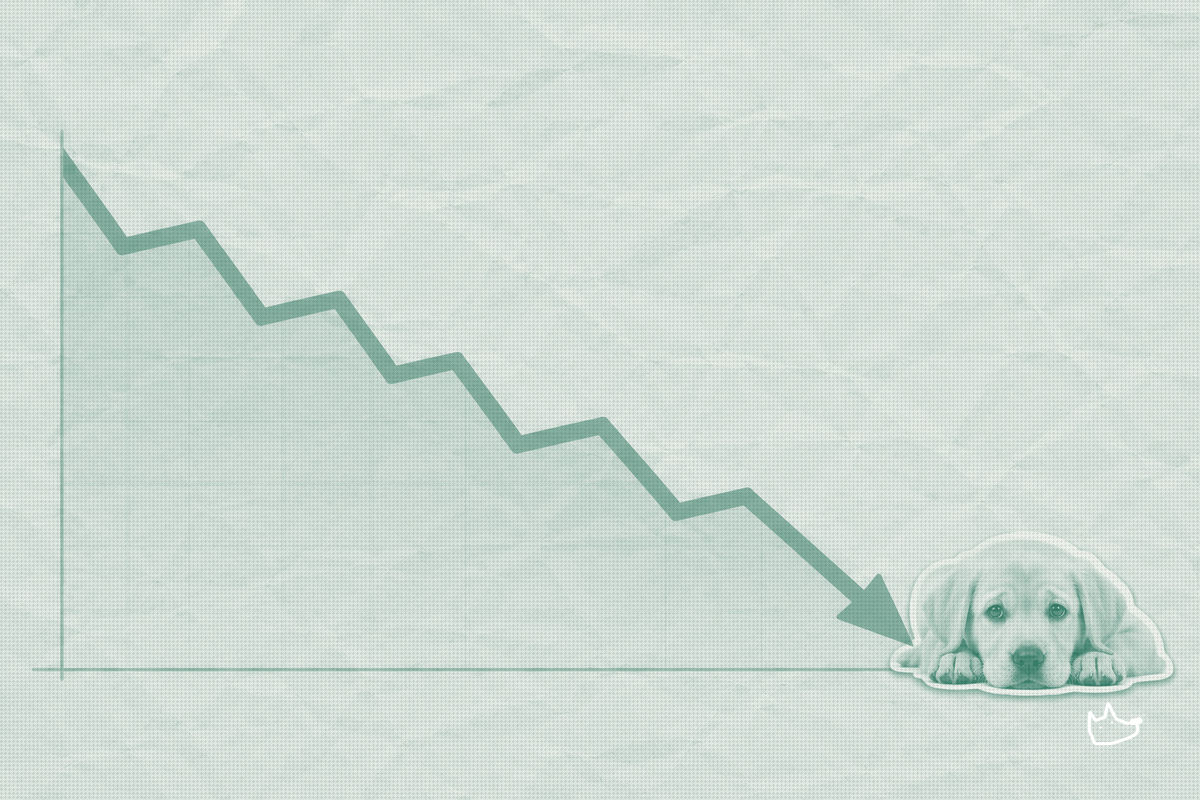
The U.S. veterinary industry has spent five years explaining away declining visits as a post-Covid hangover that would normalize. A new demographic analysis argues the opposite: the decline is structural, it's baked into the age pipeline of the pets already in homes, and it runs to 2035. For anyone whose model assumes a return to 2% to 3% visit growth, that assumption is now the risk.
U.S. vet visits enter a fifth straight year of decline
The finding comes from "Puppocalypse, Kitten Craze, and the Expectations Reset," a white paper co-authored by the CATalyst Council with Vetsource, Kynetec, and Dedekind Cut Labs, drawing on Vetsource, Kynetec PetTrak, Animalytix, Google Trends, and Bureau of Labor Statistics data.
The central mechanic is simple. The size of each year's puppy and kitten visit cohort largely sets that cohort's veterinary visits for the rest of those animals' lives. A small cohort entering the system today locks in lower volume for a decade, no matter what adoption does later.
Two cohorts are moving in opposite directions. New puppy clinical visits have fallen four years running and now sit roughly 38% below their 2018/19 baseline, the pattern the authors label the "Puppocalypse." Kitten visits have held 8% to 10% above baseline, the "Kitten Craze," and generate more visits per cat as the cohort ages.
Put those pipelines together and the forecast lands at -2% to 0% combined clinical visit growth through 2030, well under the 2% to 3% the industry has been planning around.
Volume-based growth is off the table for the next decade
This reframes the entire "is the pet consumer weak" debate. The softness showing up in public-company results this quarter has mostly been read as a spending problem. The demographic data says it's a headcount problem, and the two call for different responses.
A spending dip is cyclical. You wait it out, you promote into it, you trim guidance for a quarter or two. A shrinking visit pipeline is structural. You cannot promote your way back to puppies that were never adopted in 2022 through 2025.
The signal is consistent across the category. Zoetis trimmed its 2026 guidance after U.S. companion-animal sales fell 11%, per reporting on the quarter. Chewy cut its full-year sales outlook while flagging an "incrementally more challenged" pet consumer. The common thread isn't weaker spend per visit. It's fewer visits.
Price has been doing the heavy lifting, and it's nearly tapped out. Veterinary services inflation has run 51.4% since December 2019 against 28.5% for all items, per BLS data cited in the paper. Clinics have offset falling traffic by raising prices faster than the broader economy. That lever pulls against the demographic one: every price increase gives a cost-sensitive owner another reason to skip a visit.
The takeaways diverge by segment. Clinics and corporate groups have to grow revenue per visit and compliance, not foot traffic. Diagnostics and pharma companies modeling unit-volume recovery should stress-test a flat-to-down decade instead. And the cat data is the one bright line: the feline pipeline is expanding while the canine one contracts, which is why CATalyst has spent the past year sizing feline care as a multibillion-dollar gap.
What the 2026 puppy cohort locks in
The next thing to watch is the 2026 puppy intake, because the model says this year's cohort sets a floor under canine visits into the mid-2030s. If new puppy visits stay 38% under baseline, the -2% to 0% forecast holds. If adoption rebounds, the recovery still takes years to flow through the visit pipeline.
The revenue-per-visit race: Expect the back half of 2026 to bring a wave of clinic-side moves aimed at visit value rather than visit count, from AI documentation that lifts throughput to wellness plans and compliance programs that deepen each relationship.
The feline reallocation: Watch which diagnostics, pharma, and food companies redirect spend toward the growing cat cohort. The demographic math makes feline the rare volume story in an otherwise flat market.
The paper is available at no cost on the CATalyst Council site, including the scenario tables and methodology. For an industry that has spent five years waiting for normal to return, the more useful question now is what to build for a normal that doesn't.
Other News
More stories shaping the pet industry this week. From funding rounds and product launches to regulatory shifts and retail strategy, stay ahead of what's driving the market.
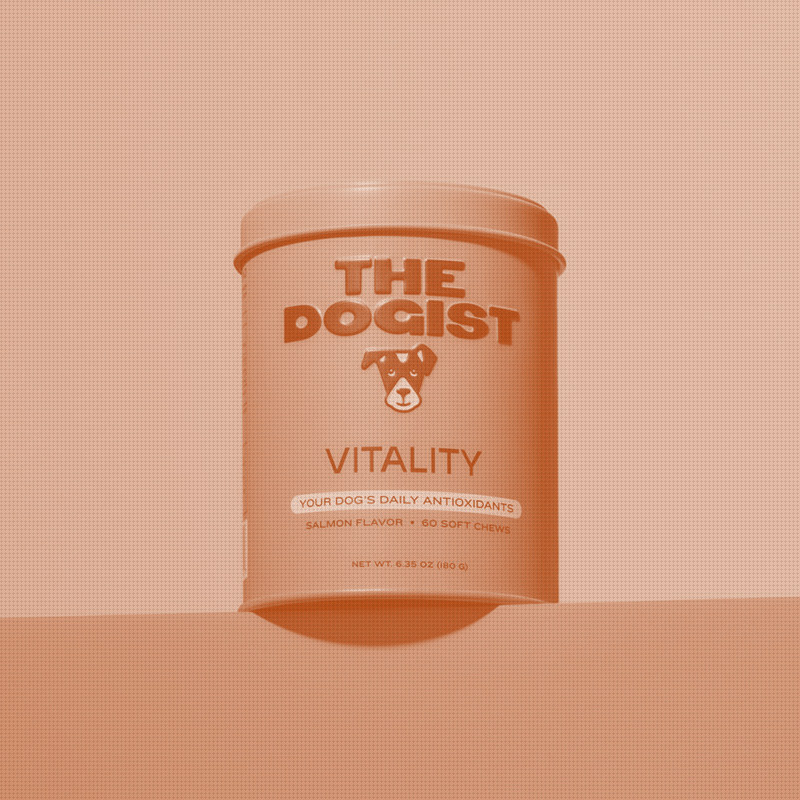
After 13 Years Photographing Dogs, The Dogist Launches Its First Product
Elias Weiss Friedman's picky-eater dog, Elsa, inspired his first product: Vitality, a $35 antioxidant chew developed with a board-certified veterinary nutritionist. Preorders open now ahead of a September 22nd release on The Dogist Company's site and TikTok Shop.
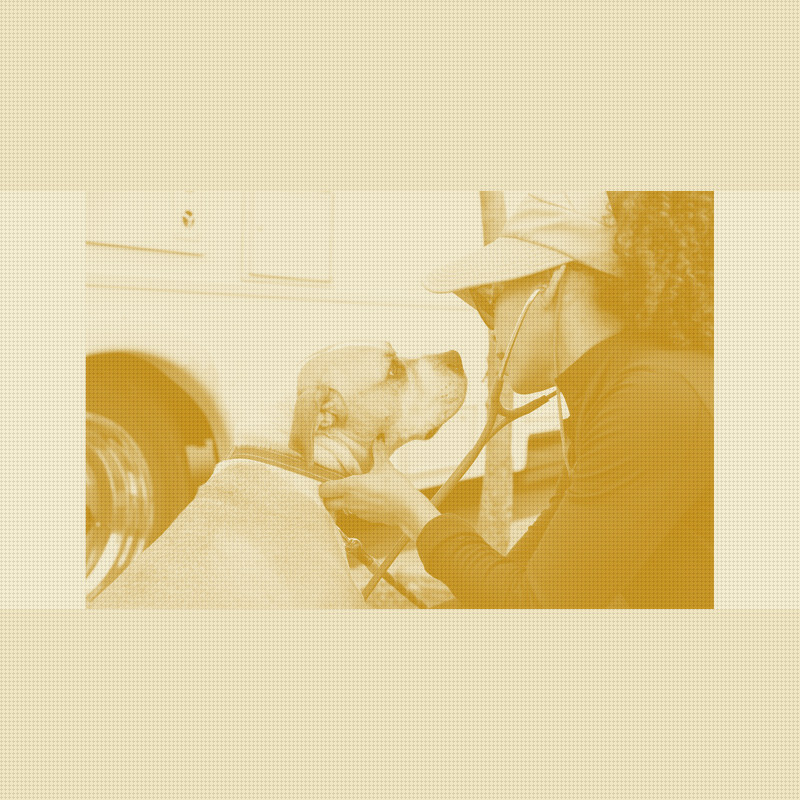
$250M Duffield Pledge Raises the Stakes on Vet Care Access
The Dave & Cheryl Duffield Foundation is committing $250 million over five years to expand nonprofit veterinary care, an initiative it calls the Duffield Big Bet for Pets. The pledge follows PetSmart Charities' $100 million commitment in 2023, pushing dedicated access-to-care philanthropy past $350 million in three years. For operators, the money increasingly funds nonprofit clinic capacity, not just family subsidies.

Loyal's Third Longevity Drug Clears the FDA's First Efficacy Bar
Loyal's LOY-003, a large-breed longevity drug targeting the growth hormone/IGF-1 pathway, has cleared the FDA's Reasonable Expectation of Effectiveness bar, the company's third such acceptance. The milestone de-risks Loyal's broader platform even as its furthest-along drug, LOY-002, still awaits a manufacturing review before conditional approval.