Subscribe
Services & Experiences
8 min read

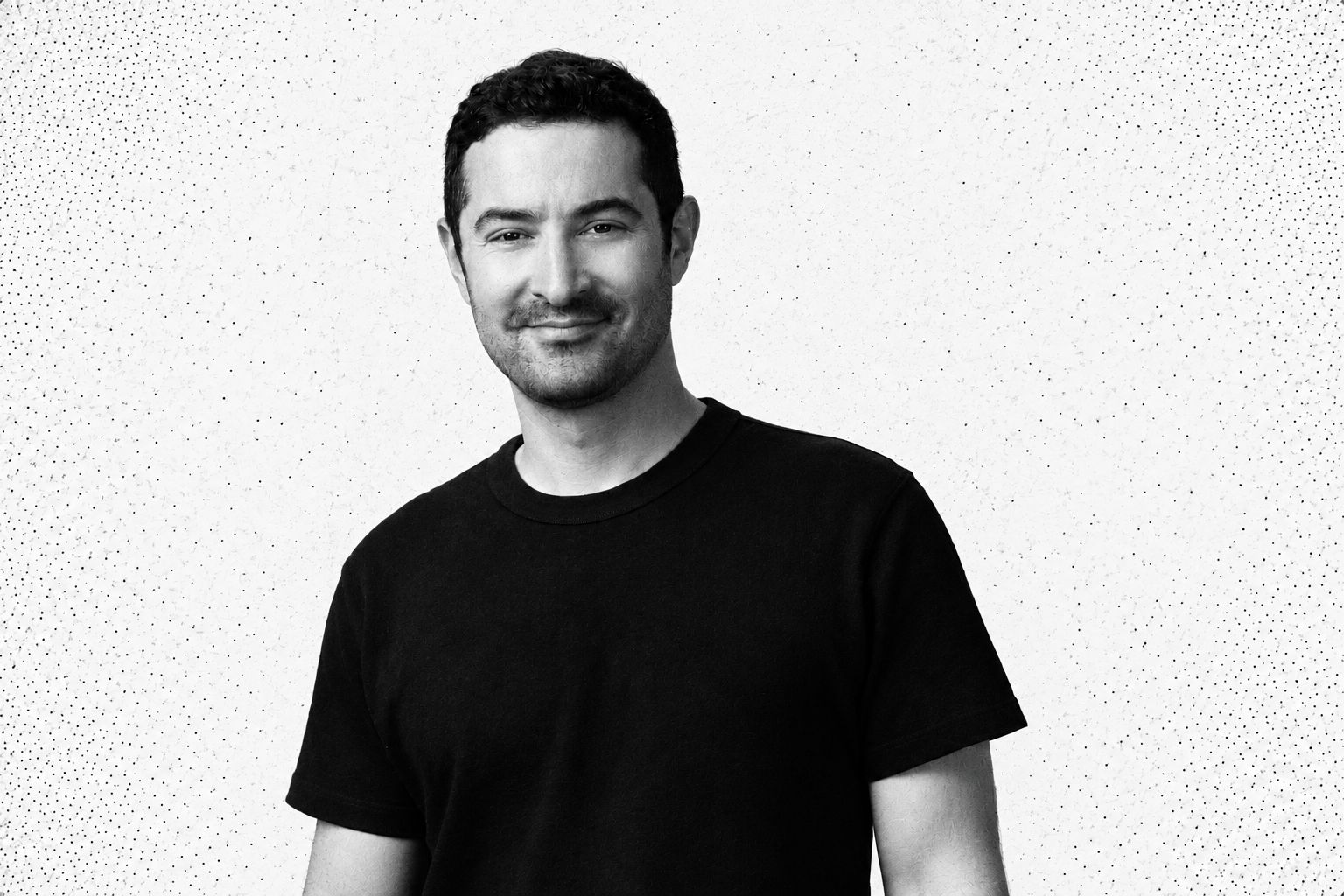
Ryan Erickson | Founder, Fetch Photo Truck

Ryan Erickson spent 15 years shooting weddings before launching Fetch Photo Truck, a mobile pet portrait studio that eliminates traditional studio overhead, captures dogs in the comfort of their own homes, and closes same-day artwork sales. The business grew 50% last year — and the unit economics explain why.
Written by
The Underbite
Published on
May 22, 2026

Ryan Erickson spent 15 years shooting weddings before he noticed a simpler problem worth solving: people wanted great photos of their dogs, but traditional sessions produced stiff, anxious animals.

His fix was structural. Fetch Photo Truck brings a mobile portrait studio directly to the client's home, keeps overhead variable, and closes sales the same day — before the emotional connection to the photos fades.

The business grew 50% last year. The unit economics explain why.

Fetch Photo Truck is a unique twist on pet services — essentially a mobile photo studio inspired by the food truck model. What insight made you confident that this concept could work as a real business?

I kept noticing the same two problems.

People wanted better photos of their dogs, but their dogs didn't do well in traditional environments. Outdoor sessions are unpredictable, studios feel unfamiliar, and a lot of dogs shut down or get overstimulated.

At the same time, most pet photography had shifted toward quick digital files instead of something lasting.

The mobile studio solved both.

It lets me control the environment while keeping the dog in a place they already feel safe, their home. That changes everything about how they show up.

Once I saw how different the expressions were, calmer, more honest, more "them", I knew there was something real there.

You spent 15 years as a wedding photographer before transitioning into pet photography. What skills transferred directly, and what had to be completely relearned when working with animals instead of humans?

Weddings taught me how to read emotion fast and anticipate moments before they happen. That part translates directly.

Lighting, composition, and running a tight timeline also carried over. Same with guiding people through a process that can feel overwhelming.

What I had to relearn was control.

With people, you can direct. With dogs, you earn cooperation. You learn body language, pacing, when to push, and when to back off.

It's less about posing and more about creating the right conditions, then being ready when it happens.

The mobile model avoids the overhead of a traditional studio. How important has that structural advantage been in making the unit economics work?

It's been huge.

A traditional studio comes with fixed costs whether you're booked or not. The mobile setup keeps overhead low and flexible.

But more importantly, it's not just about saving money; it increases the value of the experience. I'm bringing something custom to the client instead of asking them to come to me.

That combination, lower fixed overhead and higher perceived value, is what makes the model work.

You've mentioned that most sessions take place at the client's home rather than at events. Why has that proven to be the highest ROI?

Because the experience is completely different.

When the studio shows up at someone's home, it feels intentional. It's not a quick outing or a casual decision, it's something they've chosen to create.

The dogs are more relaxed, the session runs smoother, and the final images feel more personal.

That leads to stronger emotional reactions during the reveal, which directly impacts what people choose to invest in.

Events are great for exposure, but at-home sessions are where the real business happens.

The "same day sales" model is relatively uncommon in photography today. How does presenting and selling physical artwork immediately change customer behavior and average order value?

It removes distance.

When people wait days or weeks to see their photos, life gets in the way. The emotional connection fades, and it becomes a more logical purchase.

Same-day viewing keeps them connected to the moment. They just experienced it, they're seeing their dog in a way they haven't before, and they're making decisions from that place.

That's when artwork matters more than files.

It also allows me to guide them in real time, helping them choose pieces that actually fit their home instead of leaving them to figure it out later.

You've seen strong returns from paid acquisition, particularly on Instagram. What have you learned about marketing a premium pet service online, and what messaging tends to convert best?

You can't lead with price.

You have to lead with the outcome and the feeling. People need to see themselves in it.

The messaging that works best speaks to a few things:

  • Their dog won't be like this forever
  • They don't have anything meaningful beyond phone photos
  • They're not sure their dog would do well in a typical session

When you show that you understand those concerns and have a solution, the right people lean in.

The other big piece is showing the finished artwork, not just the image. That's what separates me from every other photographer online.

The business grew roughly 50% last year. What were the biggest drivers of that growth?

Market events were the biggest driver.

They gave me consistent exposure to the exact type of people I want to work with, dog owners who already value experiences for their pups. It created a steady flow of new conversations, email signups, and referrals.

From there, it came down to consistency and getting better at the process. I refined how I talk about the experience.

That's also where I started leaning more into social media advertising. I didn't do much of it earlier in the year, but since November I've been more intentional with it, and it's starting to build momentum alongside everything else.

Franchising has been suggested, but you've described it as a longer-term opportunity. Why is it not something you are interested in currently pursuing?

I see the potential, but the challenge is how much of this is skill-based.

What I do isn't just showing up and taking photos. It's driving the trailer, setting up the studio, reading the dog, connecting with the owner, creating the images, editing them quickly, and then guiding someone through a same-day purchase, all within a couple of hours.

That's something I've built over 20 years. It's not easy to hand that to someone and expect the same result.

To franchise it right now, I would have to simplify or water down parts of the experience, and I'm not interested in doing that yet.

Five years in, I still enjoy running it this way. But long term, I know I'll need to find a way to make it more repeatable without losing what makes it special.

I've spoken with other mobile businesses in the pet space that say the vehicle itself becomes a strong marketing asset since people see it around town. Has the truck itself become a meaningful driver of inbound customers or brand awareness?

Yes, but not in the way most people expect.

It definitely gets attention and starts conversations, especially at events or when it's parked in a neighborhood.

But the real value is what it represents. It makes the business tangible. People remember it.

It turns an abstract idea, pet photography, into something physical and different.

That helps with brand recall more than direct leads.

What's your favorite thing about your job?

I love seeing the reactions when the clients get to see the photos in person at their same-day ordering session. When I was a wedding photographer, photos got posted onto a web gallery, and clients were notified by email. Getting to see how much my photography makes a difference for people in real time really makes it all worthwhile.

Subscribe to newsletter

Join our newsletter to stay up to date on features and releases.

Thank you! Your submission has been received!
Oops! Something went wrong while submitting the form.

By clicking Sign Up you're confirming that you agree with our Terms and Conditions.

Pro
Keep Reading

Other Interviews

More conversations with founders, operators, and investors building the future of pet care.

Learn more
Sean Felty | Founder, Labor Lens
Services & Experiences
12 min read

Sean Felty | Founder, Labor Lens

Sean Felty runs six pet care facilities and built Labor Lens, the labor management system he wished existed. He breaks down why labor is uniquely hard in pet care, how one facility cut payroll from 52% to 39.6% and saved $182,000, and why visibility — not micromanagement — is what changes manager behavior.

Learn more
Learn more
Olivia Abrams | Co-Founder & CEO, TiCK MiTT
Pet Health & Wellness
11 min read

Olivia Abrams | Co-Founder & CEO, TiCK MiTT

Olivia Abrams was seven when Lyme disease left her unable to walk and undiagnosed for months. Years later, the entrepreneurship student turned that lifelong problem into TiCK MiTT, a chemical-free fabric mitt now in 900+ Petco stores. She shares why she waited to launch, why she turned down a Shark Tank deal, and the long-term vision to make bug protection what sun protection became to the last generation.

Learn more
Learn more
Lauren Ephrat | Founder, DOGISTRY
Retail & E-Commerce
12 min read

Lauren Ephrat | Founder, DOGISTRY

After 20+ years in wine and spirits, Lauren Ephrat built DOGISTRY into a design-forward dog accessories brand placed in Nordstrom and Chewy. She discusses surviving a painful rebrand from Doodle Couture, scaling roughly 5x in a year without outside capital, and why today's pet consumer shops through a lifestyle lens rather than a traditional pet retail one.

Learn more
View all interviews