Pet insurance's growth problem isn't demand, it's distribution — and adoro just hired for the fix
adoro Pet Insurance hired Scott Taylor, formerly president of Spot, as Chief Business Development Officer to build employer and partner channels. The move is a bet that pet insurance's growth bottleneck is distribution, not demand.

The direct-to-consumer pet insurance playbook, buy clicks, convert shoppers, eat the acquisition cost, is getting expensive enough that challengers are routing around it. The latest signal: a fast-growing insurer poached the former president of Spot to build out employer benefits and partner channels instead. The hire is small. What it says about where pet insurance growth comes from next is not.
adoro names Spot's former president to run benefits distribution
Scott Taylor has joined adoro Pet Insurance as Chief Business Development Officer, where he'll lead the company's employee benefits and partnerships strategy and push to expand access through benefit brokers and partners.
Taylor brings more than twenty years in insurance business development, including over a decade focused solely on pet insurance. He was most recently president of Spot Pet Insurance, one of the larger DTC-era brands in the category.
The mandate is explicit in the title and the framing. "Scott understands how to build distribution at scale," said adoro co-founder and CEO Gavin Friedman. adoro, which launched across 28 states, is betting its next leg of growth comes through channels, not clicks.
Why pet insurers are abandoning the DTC playbook
Hiring a business-development chief whose remit is employer benefits and partnerships is a strategy statement. It says the company believes the cheapest path to a new policyholder runs through an employer's benefits menu or a partner's point of sale, not a search ad.
The economics explain the shift. DTC pet insurance has always carried punishing acquisition costs, because you're marketing a considered purchase to individuals one at a time. Embedded and benefits distribution flips that. A single employer relationship puts adoro in front of an entire workforce, and a point-of-sale partner reaches the buyer at the exact moment they acquire the pet. Lower CAC, higher intent, better persistency.
That Taylor comes from a DTC-era brand sharpens the read. When an executive who helped scale a direct-to-consumer insurer moves to build the benefits channel, it's a tell about where the people closest to the unit economics think the next dollar of efficient growth lives.
This isn't a one-company move. The same day adoro announced the hire, Odie and Haven announced a partnership to expand embedded pet insurance through what they called high-trust distribution channels. Two separate distribution plays, both built on embedded and partnership models, both landing on the same day. The pattern is the story.
For incumbents, the competitive question is exposure. Brands that built their books primarily on DTC, Trupanion, Lemonade's pet line, and the various Spot-era challengers, are most at risk if the channel of record shifts to the employer and the point of sale. Owning the benefits relationship is a different muscle than owning the paid-search funnel, and it favors whoever moves first to lock up brokers and partners.
For pet businesses outside insurance, there's a read-through. The benefits channel is becoming a contested distribution surface for pet products and services generally. Whoever controls the employer relationship controls a low-cost path to the pet owner, and insurance is simply the first category to chase it hard.
What embedded distribution does to the incumbents
The next signals to watch are the deals behind the hire. A CBDO appointment is the setup. The proof is the broker rosters, employer wins, and embedded partnerships that show up over the next two to three quarters.
The benefits land-grab: Watch which insurers announce employer and broker partnerships through the back half of 2026. Benefits enrollment cycles are seasonal, and the players signing brokers now are positioning for open-enrollment season.
The CAC disclosure gap: Private pet insurers rarely publish acquisition costs. If embedded distribution delivers the economics its backers claim, expect the winners to start hinting at CAC advantages in their messaging. That's the tell that the model is working.
Pet insurance penetration in the U.S. still sits in the low single digits, far below the U.K. and other mature markets. The gap has always been framed as a demand problem. adoro is betting it's a distribution one.
Other News
More stories shaping the pet industry this week. From funding rounds and product launches to regulatory shifts and retail strategy, stay ahead of what's driving the market.
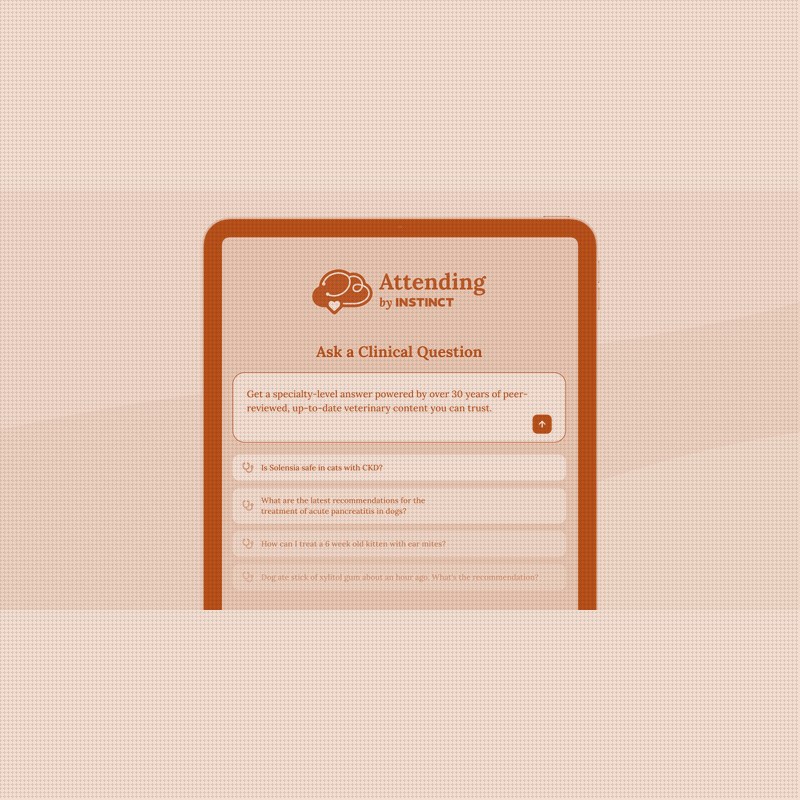
Instinct Science's New AI Bets Proprietary Content Beats ChatGPT
Instinct Science launched Attending, a clinical AI assistant that answers veterinarians' questions using only its own peer-reviewed content, including Plumb's Veterinary Drugs and Clinician's Brief. The tool is in an invitation-only preview ahead of a public showcase at IVECCS this month. It's a bet that proprietary clinical content is worth more as an AI moat than as a subscription business alone.

Temptations Opens a Cat Bodega to Buy Attention, Not Shelf Space
Temptations, Mars's top-selling cat treat brand, opened a free three-day pop-up in Manhattan built around the internet's love of bodega cats. The experiential play signals how a category leader spends on earned attention once shelf space and distribution are already won.
Can Your Dog's DNA Really Explain Its Behavior? Embark Bets $39 On It
Embark launched a $39 Behavior Insights upgrade pairing genetic markers with a year of Dogo training, extending its DNA-test business into recurring engagement. The science behind predicting individual dog behavior from genetics remains unsettled, per a November 2025 UMass Chan study.