BARK's $40M Buyback Outruns Its Cash Flow
BARK's fiscal 2026 revenue fell 18.5% as it deliberately cut marketing to protect profitability, holding a second straight year of positive adjusted EBITDA. The company exited kibble, went debt-free, and authorized a $40 million buyback despite burning $26.6 million in free cash flow. Fiscal 2027 guidance bets a smaller, higher-margin business can deliver up to $10 million in adjusted EBITDA.

A $40 million share buyback funded by "ongoing free cash flow" is a strange thing to authorize in a year when free cash flow ran negative $26.6 million. That is the tension sitting at the center of BARK's fiscal 2026 results.
The dog-products maker is shrinking on purpose, cutting marketing, exiting categories, and shedding subscribers it could not retain profitably, and asking investors to read the contraction as discipline rather than decline. The buyback is the exclamation point on that argument. Whether it is earned is the question operators should sit with.
BARK revenue falls 18.5% as a deliberate marketing pullback shrinks the base
Revenue for the year ended March 31 was $394.8 million, down 18.5% from the prior year. Fourth-quarter revenue fell 25% to $86.6 million. The declines were not an accident. BARK cut full-year marketing spend by $24.5 million, choosing profitability over subscriber volume in the face of tariffs and a soft consumer.
That choice held the bottom line roughly flat in spirit if not in fact. Adjusted EBITDA stayed positive at $0.2 million for the year, a second consecutive year in the black, though down sharply from $5.4 million. Net loss widened to $39.0 million from $32.9 million.
The quality metrics moved the right way. Direct-to-consumer gross margin expanded 230 basis points to 68.4%, excluding BARK Air, which the company credits to cutting low-return acquisition spending and keeping the subscribers worth keeping. Commerce and BARK Air together reached 21% of revenue, up from 15%, as BARK leans on wholesale partners like Target, Chewy, and Amazon to reduce its dependence on any single channel.
BARK also reshaped the business around its core. In January it exited kibble and certain treat lines, conceding a category where bag economics favor far larger players. It entered fiscal 2027 debt-free after retiring $42.9 million in debt, and it executed a 1-for-20 reverse stock split on April 1 after its shares spent months below the NYSE's $1 minimum.
Why the buyback math should give operators pause
Start with the number that does not square. BARK authorized up to $40 million in repurchases. It ended the year with $19.3 million in cash and burned $26.6 million in free cash flow. The authorization is more than double the cash on the balance sheet, funded by a free-cash-flow stream that was negative this year and that the company expects to turn positive next year.
A buyback authorization is not a buyback. It obligates nothing, and management was careful to say repurchases depend on conditions and that the company will protect its operating flexibility first. Read plainly, it is a confidence signal priced in optionality, not a commitment of capital BARK currently has.
The timing sharpens the point. This authorization lands about two months after a reverse split the company needed to stay listed. For a business that just had to engineer its share price upward to keep its NYSE seat, announcing a buyback is a deliberate message to investors about where management thinks the stock sits versus the business underneath it. Operators watching from inside other DTC brands should note the move for what it is: narrative capital, deployed at a moment when the financial capital to back it is thin.
Underneath the messaging is a real and more interesting story. BARK is running the shrink-to-profitability playbook in full view. Stop buying subscribers you lose money on. Exit the commodity categories where you cannot win on scale. Hold margin, diversify channels, and let revenue fall until the base is clean. The 230-basis-point DTC margin gain is the evidence that the thesis is not just spin. A smaller subscriber book is converting better.
The villain in the margin story is tariffs. BARK manufactures most of its toys in China, as its SEC filings disclose, and the company tied its gross-margin compression directly to higher tariff costs and to commerce becoming a bigger, lower-margin slice of the mix. That is a structural exposure no amount of subscriber pruning fixes, and it is the single biggest variable sitting outside management's control heading into next year.
What fiscal 2027 guidance asks investors to believe
The guidance is the actual ask. BARK expects fiscal 2027 revenue of $325 million to $340 million, another double-digit step down, while projecting adjusted EBITDA of $7 million to $10 million, a leap from this year's $0.2 million. The bet is explicit: a smaller, higher-margin, channel-diversified business throws off far more profit than a larger, marketing-fueled one did.
Two milestones decide whether that holds. The first is the back half of the year, when management says reinvested marketing should return DTC revenue to growth. If subscribers do not come back profitably, the entire thesis weakens. The second is the channel mix. BARK expects Commerce and BARK Air to clear $100 million combined, with Commerce growing as a share of revenue, which keeps blended margin under pressure even as the profit target rises.
Watch the buyback for what it reveals. If BARK actually repurchases shares while free cash flow is still negative, that is a statement about priorities worth scrutinizing. If the authorization sits untouched, it was always a signal, not a plan. Either outcome tells operators something about how this management team weighs narrative against cash.
Source: BARK Reports Fiscal Fourth Quarter and Full Year 2026 Results via Business Wire
Other News
More stories shaping the pet industry this week. From funding rounds and product launches to regulatory shifts and retail strategy, stay ahead of what's driving the market.
Instinct Science's New AI Bets Proprietary Content Beats ChatGPT
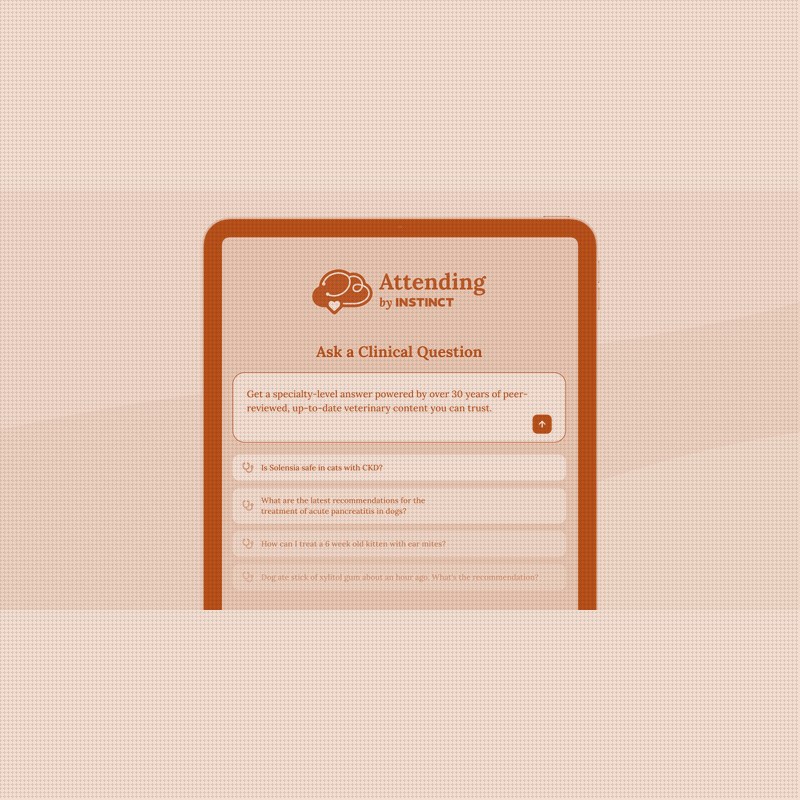
Instinct Science launched Attending, a clinical AI assistant that answers veterinarians' questions using only its own peer-reviewed content, including Plumb's Veterinary Drugs and Clinician's Brief. The tool is in an invitation-only preview ahead of a public showcase at IVECCS this month. It's a bet that proprietary clinical content is worth more as an AI moat than as a subscription business alone.
Temptations Opens a Cat Bodega to Buy Attention, Not Shelf Space
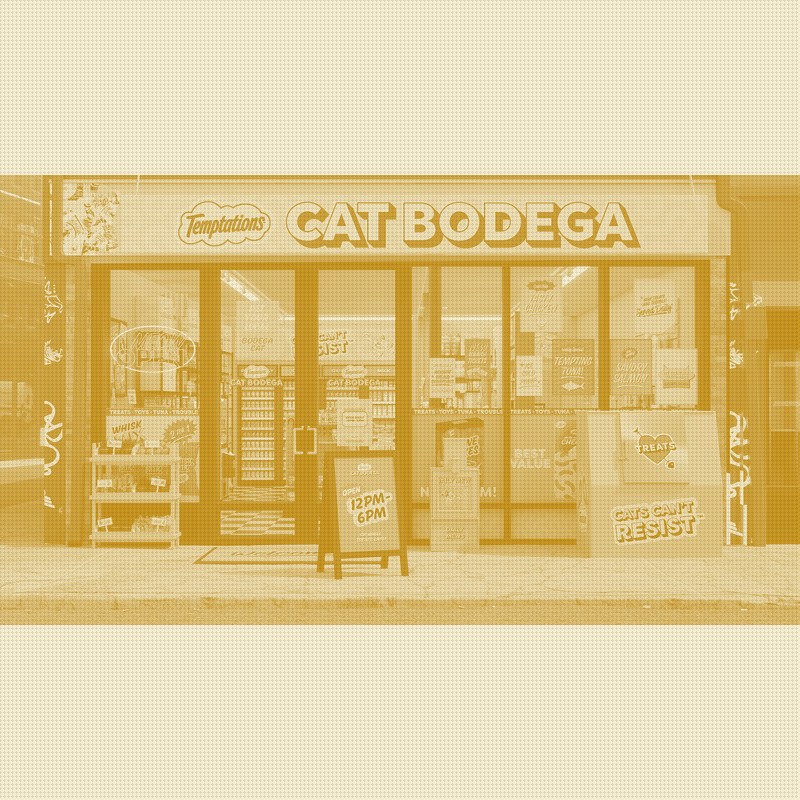
Temptations, Mars's top-selling cat treat brand, opened a free three-day pop-up in Manhattan built around the internet's love of bodega cats. The experiential play signals how a category leader spends on earned attention once shelf space and distribution are already won.
Can Your Dog's DNA Really Explain Its Behavior? Embark Bets $39 On It
Embark launched a $39 Behavior Insights upgrade pairing genetic markers with a year of Dogo training, extending its DNA-test business into recurring engagement. The science behind predicting individual dog behavior from genetics remains unsettled, per a November 2025 UMass Chan study.