BIXBI Bets Big on Pet Food's Most Disputed Certification
BIXBI became the first pet food company to certify kibble under Clean Label Project, a nonprofit whose testing methodology industry groups have publicly disputed. The move raises a real question for every other brand: is the certification becoming a cost of doing business regardless of the critique.
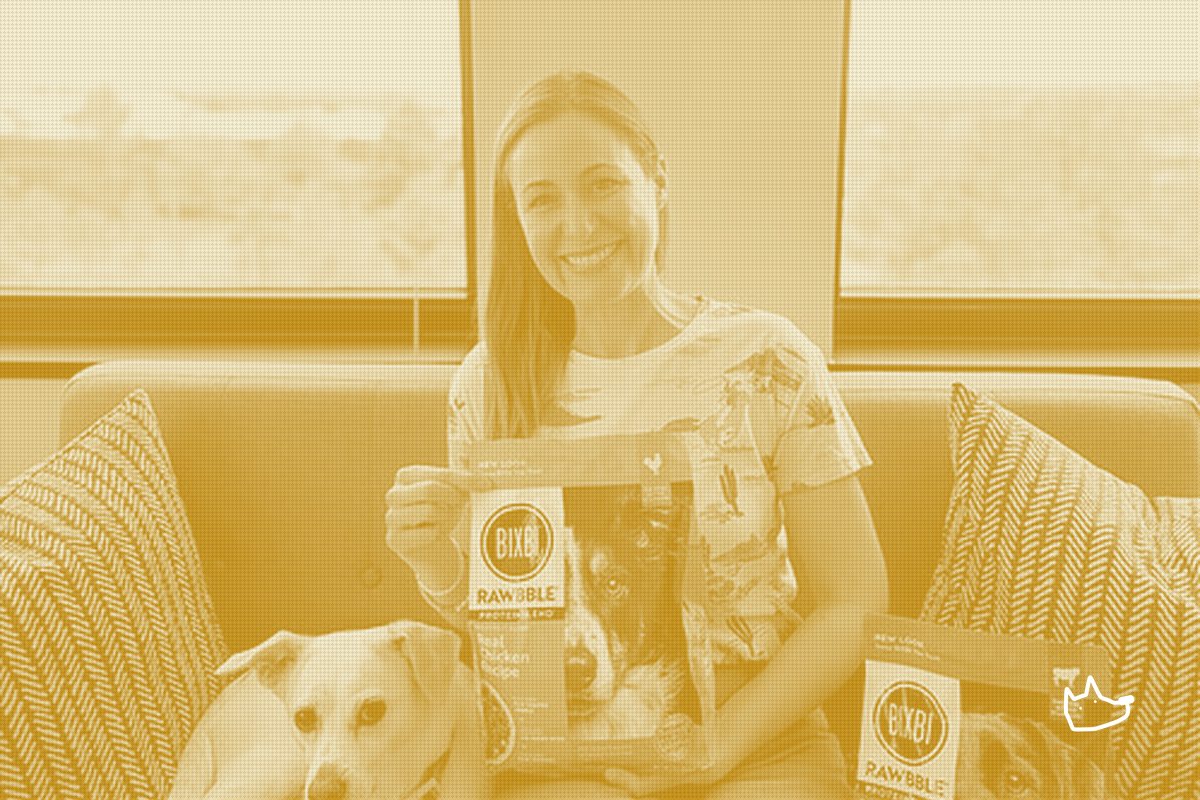
BIXBI certifies 13 kibble recipes for contaminants
BIXBI said its Rawbble, BIXBI, and ProteinBlend beef and chicken kibble lines earned Clean Label Project certification across 13 products, tested for heavy metals, pesticides, and plasticizers. The company is calling itself the first pet food maker to certify kibble specifically under the program, a distinction Clean Label Project confirms on its own certified-products list.
"Third-party certifications like Clean Label Project validate the standards we hold ourselves to every day," CEO Rachel D'Agostino said in the release.
BIXBI, founded in Louisville, Colorado in 2009, is independently owned and has built its identity on real-meat, minimal-filler recipes. The certification adds a badge to that pitch rather than changing the recipes themselves.
A certification with real critics and real revenue
Clean Label Project is not a neutral referee. Its February 2026 heavy-metals report drew a direct rebuttal from the Pet Food Institute, the industry's trade group, which said the report "does not disclose key information, such as sampling methods, analytical protocols, or how its findings compare to established safety thresholds," and flagged a specific error: the data failed to adjust for moisture content, which is required to compare fresh and dry foods on equal footing.
Trade press has made the same case for years. Coverage of the group's 2017 report and its 2026 repeat both note single-sample testing, no peer review, and no published underlying data, a pattern one industry column called "the same playbook."
None of that stops brands from paying to display the seal. Clean Label Project's own FAQ says certification is funded through "a mix of donations, grants, and certification fees from brands" that carry the mark, meaning the organization publishing the contamination reports also sells the products it tests a way to be named favorably instead.
That is the arithmetic operators are actually weighing. As of this writing, Clean Label Project's live certified-products list shows BIXBI carrying 19 pet products, not the 13 in Monday's release, six more than the announcement claims. Across the full list, the pet category totals 104 certified products from every brand combined. BIXBI's 13 alone account for roughly one in eight of every Clean Label Project-certified pet product that exists, a concentration that says less about pet food safety broadly and more about how few brands have bought in at all. Freshpet, the category's largest player by certified count at 71 products, remains the outlier other brands are being measured against.
What happens if certification becomes a shelf requirement
The open question is whether Clean Label Project's mark becomes something retailers or Chewy's product filters start treating as a baseline, regardless of what critics say about the underlying science. If that happens, the certification fee becomes a cost of doing business rather than a marketing choice, and brands that skip it risk looking evasive by default even if their ingredient safety is identical.
Watch whether a mainstream volume player, not just premium independents like BIXBI and Smalls, follows Freshpet into the certified column next. That would signal retailers are starting to treat the mark as a real gate rather than a niche credential, whatever the Pet Food Institute says about its rigor.
Other News
More stories shaping the pet industry this week. From funding rounds and product launches to regulatory shifts and retail strategy, stay ahead of what's driving the market.
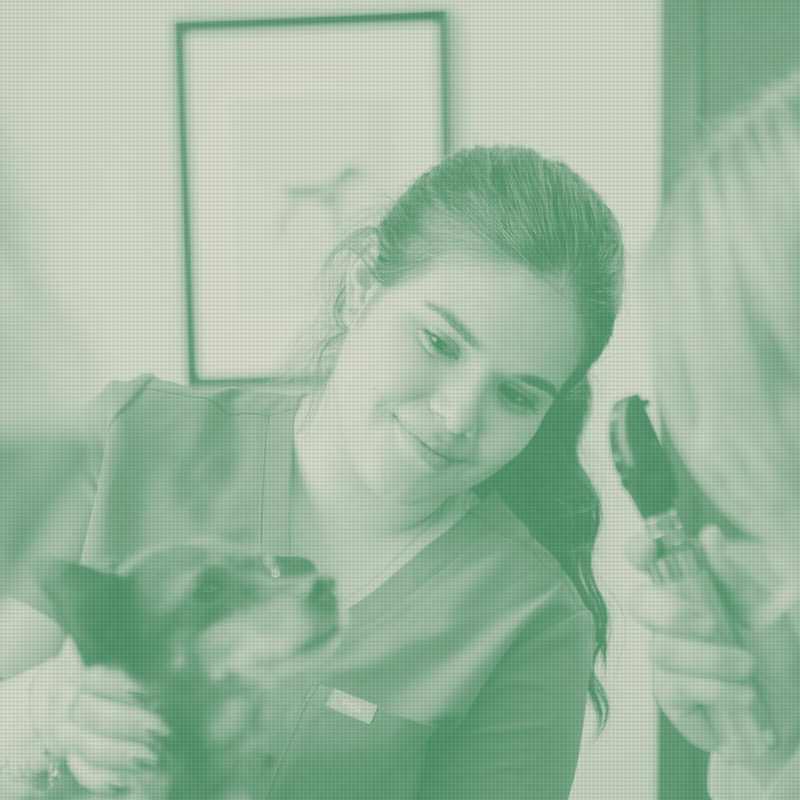
GoodVets Buys WellHaven's 40 Hospitals, Ending Its De Novo-Only Era
GoodVets is acquiring WellHaven Pet Health's network of more than 40 hospitals, growing its footprint from 75 to 116 locations. The deal marks a shift from the de novo strategy that defined the General Atlantic-backed platform's first decade toward the acquisition-led growth every other scaled vet consolidator already runs on.
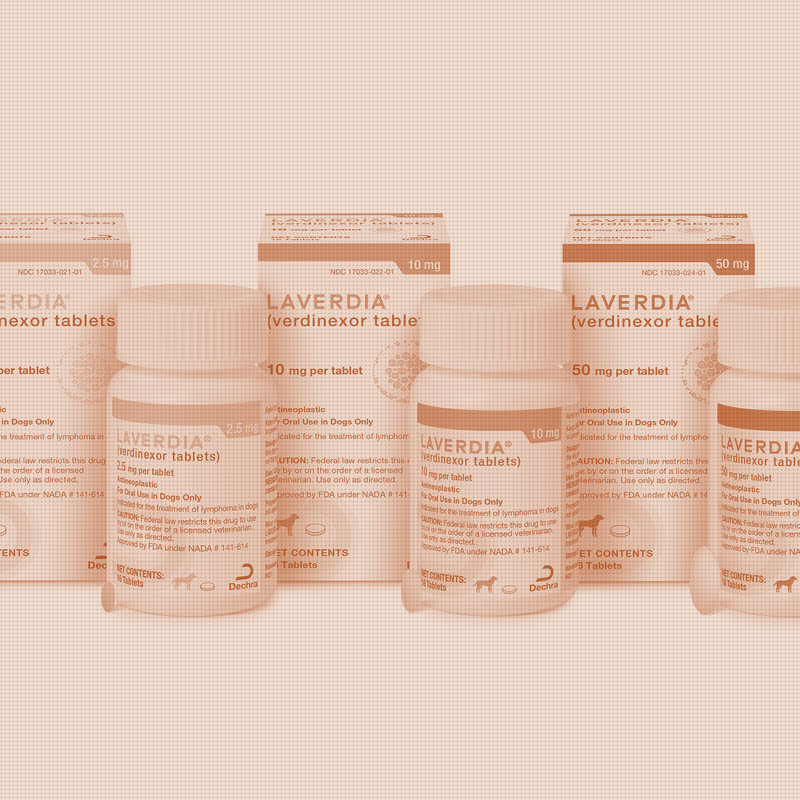
Dechra's Oral Cancer Pill Targets the Dogs Chemo Never Reaches
Dechra is commercially launching Laverdia, the first FDA-approved oral treatment for canine lymphoma, developed by Anivive and licensed to Dechra in 2022. The bet isn't on winning cases from oncology referral networks, but on treating the roughly 80% of diagnosed dogs who currently get no chemotherapy at all.
PetMeds Names New CEO, Rebuilds Board Amid Takeover Fight
PetMeds named Jeff Willard as its next CEO and added two new independent directors, including a Shake Shack executive as board chair, while a $3-a-share takeover bid from SilverCape Investments remains unanswered since June. None of the three new leaders has prior ties to the company, a signal the board is building outside credibility for whatever comes next.