
Product Development
Formulation, co-packing, supplements, alternative proteins and packaging. How pet products get made, what it costs, and the order the decisions have to happen in.


Start here
- Pet Food Formulation: What Founders Actually Need to Know
The prerequisite. Fix positioning, a hard cost-per-pound number and your co-packer before you brief a formulator, or you buy a six-month write-off.
- How to Find and Work With a Pet Food Co-Packer
Match the co-packer tier to your stage, then lock formula ownership and exit terms in the contract. Switching costs compound.
- Pet Supplement Formulation: Lower Barriers, Higher Margins
Why supplements, not food, are the right first product for a capital-constrained founder, and where the claims line sits.
- Alternative Protein Pet Food: What Operators Need to Know Before Reformulating
Four categories at four different stages of readiness. Only two can be formulated with and shipped today.
Key numbers
- 500
units versus 10,000. A soft-chew supplement contract manufacturer will run 500 to 800 units. A pet food manufacturer typically wants 10,000 or more. That gap is the entire argument for launching in supplements first. Source: PetTech Labs, Emmerson Packaging.
- 8 × 26
dogs, over 26 weeks. The AAFCO feeding trial protocol. The diet passes if no more than two animals are removed for non-dietary reasons and no deficiency signs appear. Source: AAFCO model bills.
- 3–5x
what insect protein costs per kilogram against poultry meal. Not a formulation problem but a price-segment problem, which is why it lands in premium bags or nowhere. Source: AllPetFood.
- 99%
of pet food packaging ends up in landfill, contributing roughly 300 million pounds of plastic waste a year in the US alone. Source: Petfood Industry, US Plastics Pact.
None of these are our own figures. Each names its source.
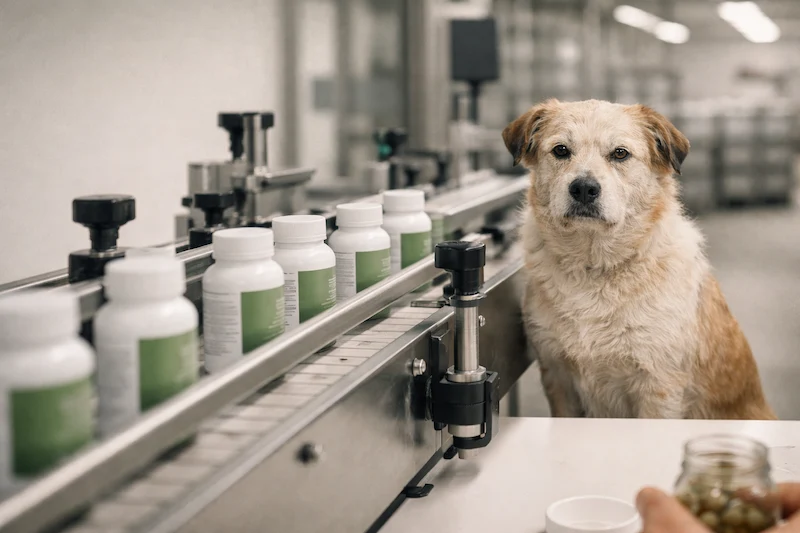
Pet Supplement Formulation: Lower Barriers, Higher Margins
Pet supplements offer a faster, cheaper path to market than food—with lower MOQs and simpler regulations. The real costs, timelines, and the health claims trap that catches first-time founders.
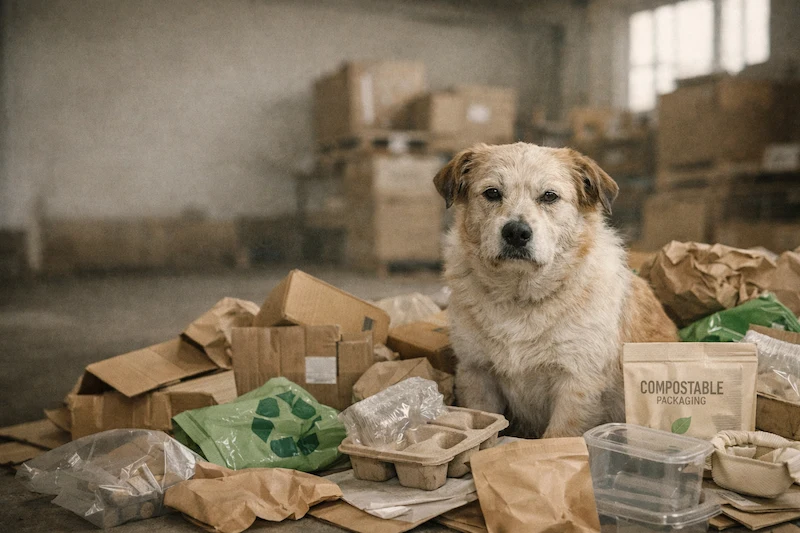
Sustainable Pet Packaging: What Founders Actually Need to Know
Sustainable packaging is a positioning decision with real cost trade-offs. The actual costs, certifications worth pursuing, and the mistakes that turn sustainability claims into greenwashing liability.
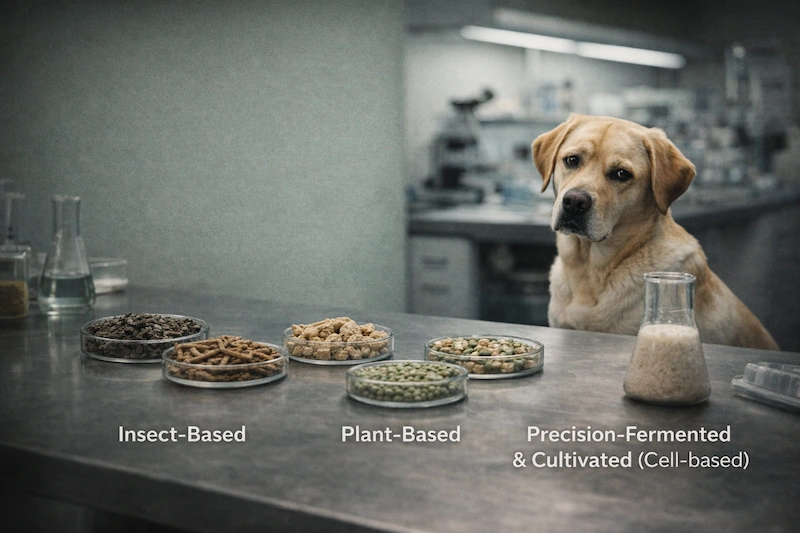
Alternative Protein Pet Food: What Operators Need to Know Before Reformulating
The gap between "alternative proteins are interesting" and "here's what you can actually buy at scale" is wider than most founders realize. A practical guide to insect, plant, fermented, and cultivated proteins—what's commercially viable today.
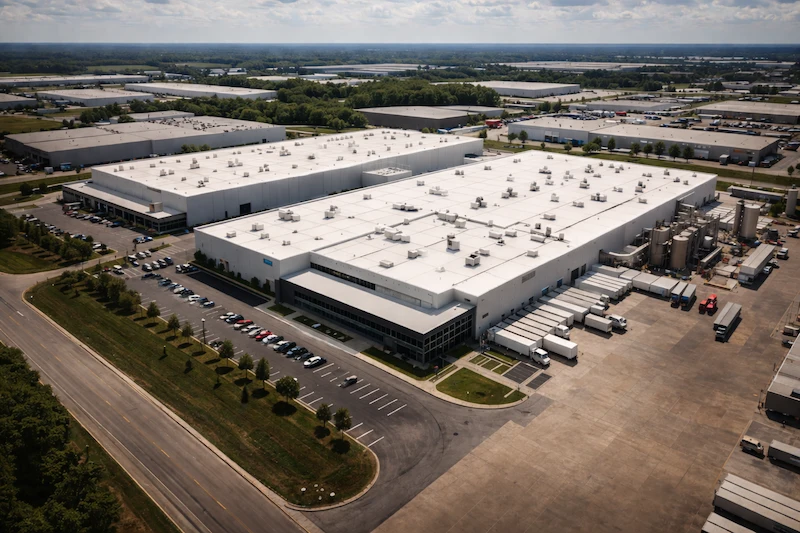
How to Find and Work With a Pet Food Co-Packer
Your co-packer choice shapes margins, timeline, and product quality for years. Here's how to find the right manufacturing partner, vet them properly, and structure a relationship that scales.
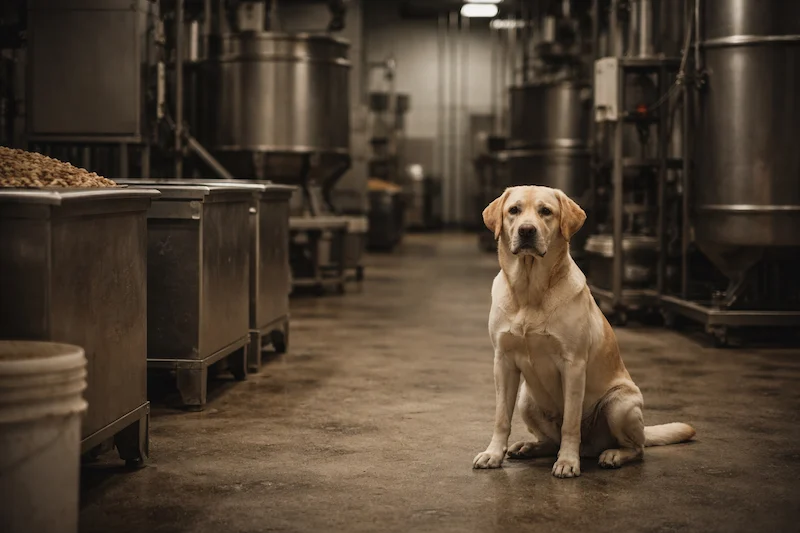
Pet Food Formulation: What Founders Actually Need to Know
Formulation is a constraint management problem, not a creative exercise. Learn the real costs, timelines, and which decisions you make versus delegate to your formulator—before your first production run.