
$250M Duffield Pledge Raises the Stakes on Vet Care Access
The Dave & Cheryl Duffield Foundation is committing $250 million over five years to expand nonprofit veterinary care, an initiative it calls the Duffield Big Bet for Pets. The pledge follows PetSmart Charities' $100 million commitment in 2023, pushing dedicated access-to-care philanthropy past $350 million in three years. For operators, the money increasingly funds nonprofit clinic capacity, not just family subsidies.
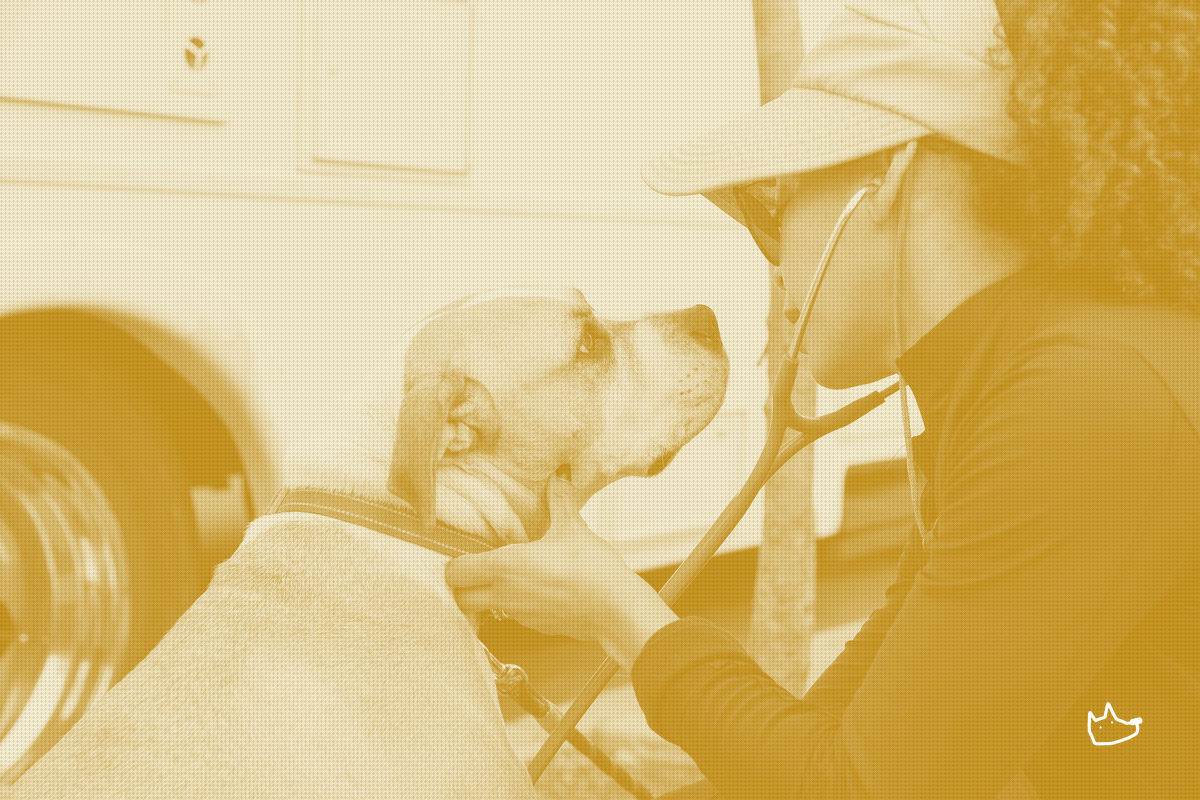
Fifty million dogs and cats in the US live with owners who can't afford to take them to a vet, by one foundation's own estimate, and two of the industry's biggest philanthropic funders are now racing to close that gap with nine-figure checks. The Dave & Cheryl Duffield Foundation said on September 17th it will invest $250 million over five years in nonprofit veterinary care, an initiative it calls the Duffield Big Bet for Pets, following PetSmart Charities' own $100 million pledge from 2023. For veterinary chains that have mostly ceded the low end of the market, the pledge adds real, standing capacity to a competitor they haven't had to take seriously before now.
Duffield Foundation pledges $250M for veterinary access
The Dave & Cheryl Duffield Foundation announced the Duffield Big Bet for Pets on September 17th, a five-year, $250 million commitment aimed at expanding nonprofit veterinary care for family pets across the US.
Two programs launch immediately. Duffield Boost Grants distribute $2.5 million as 250 individual $10,000 grants to nonprofit veterinary providers. Expanding Access Grants set aside a $10 million pool for multi-year funding to established nonprofit clinics scaling up their capacity. More programs are expected to roll out over the five-year window.
"Pets are members of our families, and they need veterinary care to live long, healthy lives," Dave Duffield said in the announcement. "For too many families, that care is not easy to find or afford."
Amy Mills, the Foundation's VP of Access to Care, was more direct about the scale of the problem: "The lack of access to affordable veterinary care is one of the most urgent and actionable challenges facing pets and the people who love them."
Dave and Cheryl Duffield founded Maddie's Fund, one of the largest private foundations backing companion-animal organizations, more than 30 years ago. Dave Duffield co-founded both PeopleSoft and Workday. The Foundation already put $1.9 million into a veterinary access collaboration called Yes to Care in February, and this pledge folds that kind of spending into a much larger, formalized five-year program.
The same announcement introduces Liberty Dogs, a new service-dog training facility for military veterans with PTSD, a reminder that the Foundation's giving spans well beyond clinical access. But the $250 million figure, and the two grant programs tied to it, are squarely aimed at the affordability problem, not the veteran-support piece.
Why nonprofit clinics are becoming real competitors
The philanthropic capital aimed at the veterinary affordability gap has more than tripled in three years, and it's increasingly landing as competing clinic capacity, not just cash for pet owners. Add up the last three years and the total now tops $350 million: PetSmart Charities' $100 million in 2023, plus Duffield's $250 million today. That is no longer a handful of one-off grants. It is a funding category.
What makes this round different from a typical charitable gift is where the money is designed to land. The Expanding Access Grants pool doesn't just subsidize individual pet owners. It funds established nonprofit clinics to add hours, staff, and locations, which means it builds standing capacity that competes for the same patients, and the same veterinary labor, as any for-profit general practice nearby.
That labor point matters more than the dollar figure. Veterinarian unemployment sits near zero, and burnout and administrative load, not compensation, are the industry's most cited reasons vets leave the field. A nonprofit clinic hiring to expand capacity draws from the identical, already-tight labor pool that Mars Veterinary Health, NVA, and Pathway Vet Alliance are trying to staff. More capitalized nonprofit competition for DVMs and technicians raises the cost of retention industry-wide, not just at the clinics receiving grants.
This is also the third distinct capital pool now converging on the same wedge. Vet telehealth startup Dutch recruited Tara Lipinski to push an affordability narrative built on its own "pet care gap" research, and fintech startup Snout raised $110 million to finance vet bills with no-credit-check payment plans. Venture capital, debt financing, and now large-scale philanthropy are all making the same bet: the gap between what care costs and what owners can pay is where the next several years of growth sits. For corporate chains competing on price at the bottom of the market, that's three different kinds of pressure arriving from three different directions at once.
None of this threatens premium or specialty veterinary care, where insured, high-spending pet owners remain scarce and margins stay strong. The pressure concentrates exactly where corporate consolidators have been slowest to build: rural markets, low-income urban neighborhoods, and basic wellness visits that don't clear the margin bar for a roll-up's acquisition model.
What five years of grants will reveal
The number that matters isn't the $250 million headline. It's the split between direct-to-family subsidies and capacity-building grants like Expanding Access, because that ratio determines whether this money mostly helps existing clinics see more patients or actually stands up new competing capacity.
Corporate response is the second signal. Mars Veterinary Health, NVA, and Pathway Vet Alliance have so far treated the affordability narrative as a public-relations problem, answered with financing partnerships and wellness plans rather than price cuts. A nonprofit sector with $350 million in fresh capital and a five-year runway may force a sharper response, particularly in markets where a newly capitalized nonprofit clinic opens near an existing for-profit location.
Watch, too, for who follows. Two nine-figure-plus commitments in three years from two of the largest names in pet philanthropy is a pattern other major donors can point to when building their own case for giving. If a third major funder announces a comparable pledge before this program's first grant cycle closes, the affordability gap will have gone from an industry talking point to the pet sector's defining philanthropic cause.
The first Duffield Boost Grants are the earliest data point to track, since 250 separate $10,000 awards to nonprofit providers will show, market by market, exactly where the Foundation believes the access gap is worst.
Source: The Dave & Cheryl Duffield Foundation via PR Newswire
Other News
More stories shaping the pet industry this week. From funding rounds and product launches to regulatory shifts and retail strategy, stay ahead of what's driving the market.
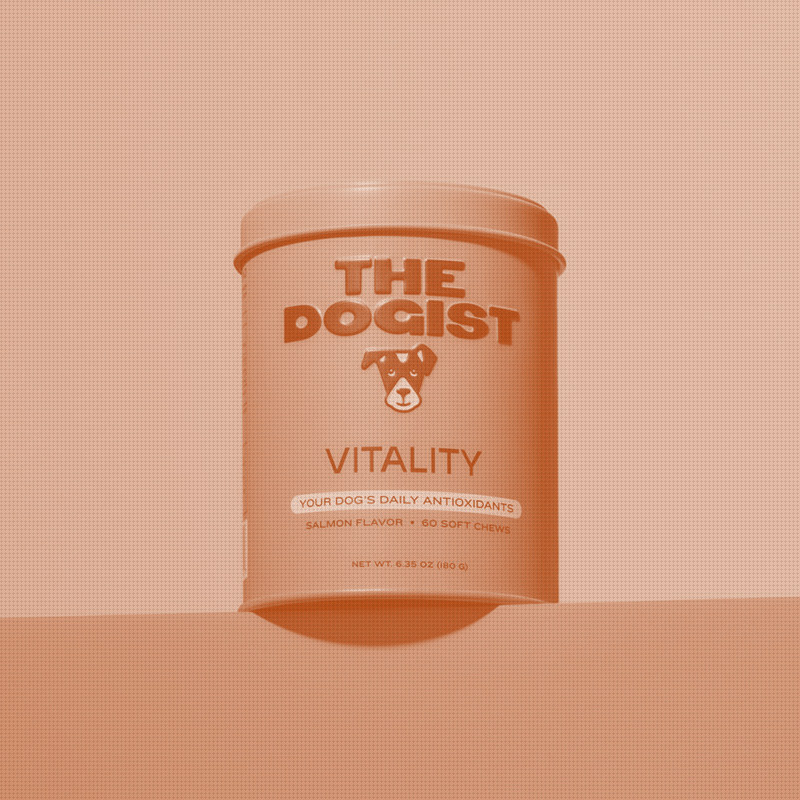
After 13 Years Photographing Dogs, The Dogist Launches Its First Product
Elias Weiss Friedman's picky-eater dog, Elsa, inspired his first product: Vitality, a $35 antioxidant chew developed with a board-certified veterinary nutritionist. Preorders open now ahead of a September 22nd release on The Dogist Company's site and TikTok Shop.

Loyal's Third Longevity Drug Clears the FDA's First Efficacy Bar
Loyal's LOY-003, a large-breed longevity drug targeting the growth hormone/IGF-1 pathway, has cleared the FDA's Reasonable Expectation of Effectiveness bar, the company's third such acceptance. The milestone de-risks Loyal's broader platform even as its furthest-along drug, LOY-002, still awaits a manufacturing review before conditional approval.
Skiptown Bundles Bar, Park and Grooming Into a $60 Membership Bet
Skiptown relaunched its three-city dog daycare-and-bar membership program into three simplified plans, anchored by a $60-a-month VIP tier bundling grooming, boarding and park access. The venture-backed chain says active memberships hit 8,000 and grew 23% in Q2, a subscription bet on solving an occupancy problem that's plagued independent pet care operators for years.