
LIMPID's Kinfora Store Goes Live, But the US Numbers Are Still Missing
LIMPID opened direct-to-consumer sales for Kinfora, the AI platform combining its pet-camera and nutrition businesses, three weeks after launching in South Korea. The release confirms a completed US FDA Food Facility Registration and a veterinary-school research partnership, but discloses no Kinfora-specific subscriber or revenue numbers.
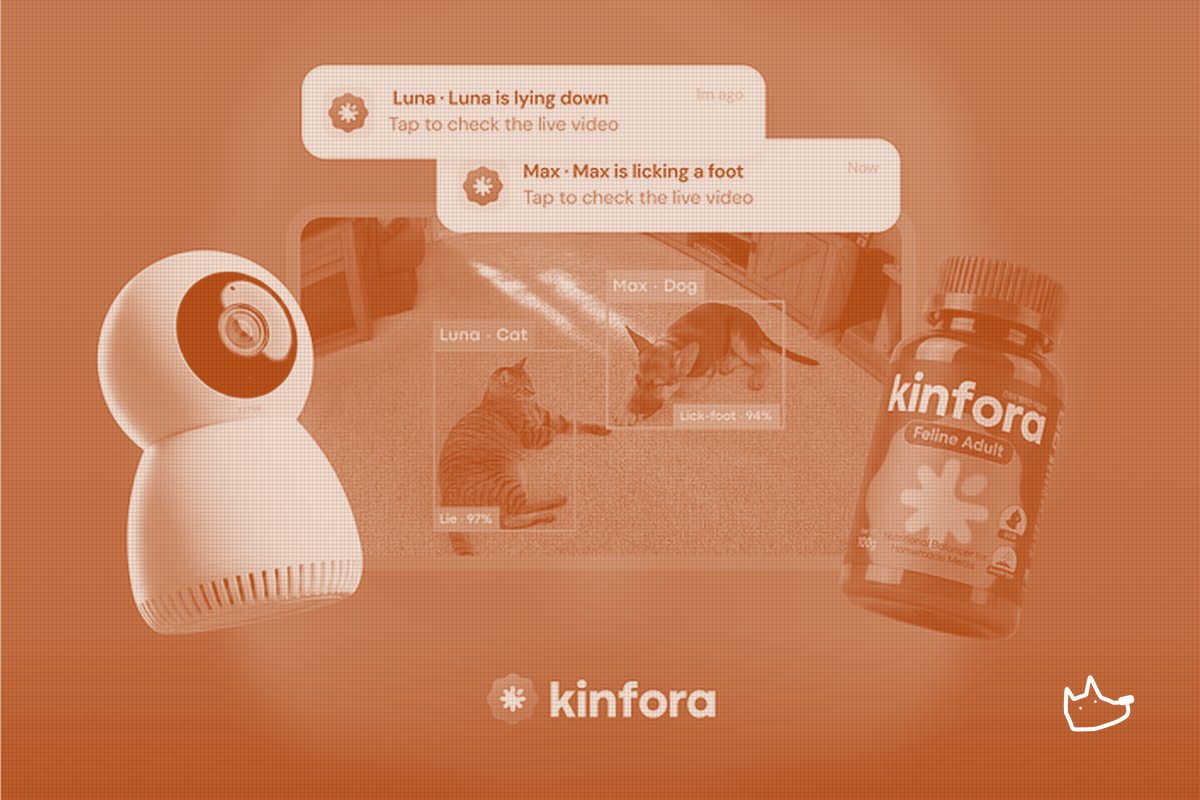
Three weeks after opening a subscription pet-health platform in South Korea, a Seoul nutrition company has taken the next step: a storefront anyone can buy from directly. LIMPID launched retail sales for Kinfora, the AI platform that pairs a monitoring camera with a vet-formulated diet plan, and the same release confirms a completed US food-facility registration without saying a word about how many people have actually subscribed.
Kinfora bundles LIMPID's camera and diet apps
LIMPID confirmed on August 4th that Kinfora, the AI pet-health platform it built by folding together its Saladpet nutrition app and the Dogibogi camera app it gained through its July acquisition of PetPeotalk, is now open for direct sale at kinfora.ai. The platform actually launched in South Korea on July 14th; this release is the company's first public accounting of what it built.
The lineup has three pieces. Kinfora Cam streams real-time footage and flags behavior changes such as limping or unusual stillness. Kinfora Balancer is a base nutrition premix. Seven vet-formulated Care supplements target specific conditions on top of it. Kinfora's camera and supplement lines are being sold as an integrated subscription rather than separate one-time purchases, though the release does not specify pricing for either component. LIMPID also disclosed a research partnership with Kyungpook National University's College of Veterinary Medicine, lending an academic credibility layer to the supplement line's formulation claims.
CEO Heesu Kim, a veterinarian, framed the pitch around interpretation rather than data volume: "Pet parents don't need more data, they need to know what matters." CTO Ryan Kwon, PetPeotalk's founder before the acquisition, said the camera "doesn't just stream video, it understands behavior."
The release restates two figures LIMPID has cited before: 390 percent year-over-year revenue growth company-wide in 2025, and a completed US FDA Food Facility Registration, the procedural step that precedes selling food products into the American market.
Three weeks in, no subscriber numbers surface
The Underbite covered LIMPID's underlying bet last week: own the camera, own the clinical read, own the food, and use a behavior alert to route an owner toward a subscription product the same company sells. Kinfora going live at retail doesn't change that thesis. It tests it.
Here's what the release does not say. Three weeks after a Korea launch, LIMPID discloses no Kinfora-specific subscriber count, no attach rate between the camera and the supplement line, and no revenue figure isolated from the company's broader 2025 growth number. The 390 percent figure describes LIMPID's full-year 2025 business, which includes Dr. Trusty freeze-dried food sales well before Kinfora existed. Citing an old growth number in a launch release, rather than a fresh one, is itself a signal: the company either doesn't have Kinfora-specific numbers worth sharing yet, or isn't ready to share them.
The bundling logic explains why AI pet-monitoring startups keep getting folded into companies with an existing commercial channel rather than staying independent. A standalone camera or wearable sells a subscription for an alert; a bundled platform sells a diagnosis and the fix in the same transaction. Investors underwriting pet-health hardware increasingly want to see the second half of that sentence before committing more capital, which is part of why PetPeotalk landed inside LIMPID rather than raising another venture round on its own.
The Kyungpook National University partnership matters more than it might look. A domestic veterinary school's involvement in formulating the Care supplement line gives LIMPID a credibility asset that travels better internationally than a camera's behavior-detection accuracy claims do. US vets and regulators are more likely to trust a supplement backed by a named veterinary college than an AI model's opaque training data, especially one trained on Korean apartment-dwelling dogs and cats.
That gap points at the real risk in LIMPID's US ambitions. Vision-AI behavior models trained on one population do not automatically generalize. A camera tuned to detect distress signals in a Seoul studio apartment, where a dog might occupy 400 square feet and rarely leave a resident's sightline, is answering a different question than one covering a US suburban yard. The FDA Food Facility Registration clears LIMPID to sell food products in the US. It says nothing about whether Kinfora Cam's behavioral model works as advertised once the training data no longer matches the market.
What would confirm LIMPID's US ambitions are real
Three signals would tell operators whether Kinfora's US plans are more than a registration filing. A US retail listing or app-store presence for Kinfora or Dr. Trusty would be the first concrete step past paperwork. Disclosed subscriber or revenue figures for Kinfora specifically, once it has a full quarter in market, would let outsiders judge whether the vertical-integration thesis is converting behavioral alerts into supplement sales at a meaningful rate.
Competitive response is the third thing worth tracking. US-based AI pet-monitoring players, including camera and wearable brands that have not paired their tech with a nutrition business, could either move to add a commerce layer of their own or become acquisition targets for companies in pet food, veterinary distribution, or pharmacy looking to buy the same integration LIMPID built through PetPeotalk.
If none of those show up within the next two quarters, Kinfora's storefront launch will look more like a Korean product filling in its addressable market before slowing, not the first step of the export plan the FDA registration implies.
Source: LIMPID via PR Newswire
Other News
More stories shaping the pet industry this week. From funding rounds and product launches to regulatory shifts and retail strategy, stay ahead of what's driving the market.

GoodVets Buys WellHaven's 40 Hospitals, Ending Its De Novo-Only Era
GoodVets is acquiring WellHaven Pet Health's network of more than 40 hospitals, growing its footprint from 75 to 116 locations. The deal marks a shift from the de novo strategy that defined the General Atlantic-backed platform's first decade toward the acquisition-led growth every other scaled vet consolidator already runs on.
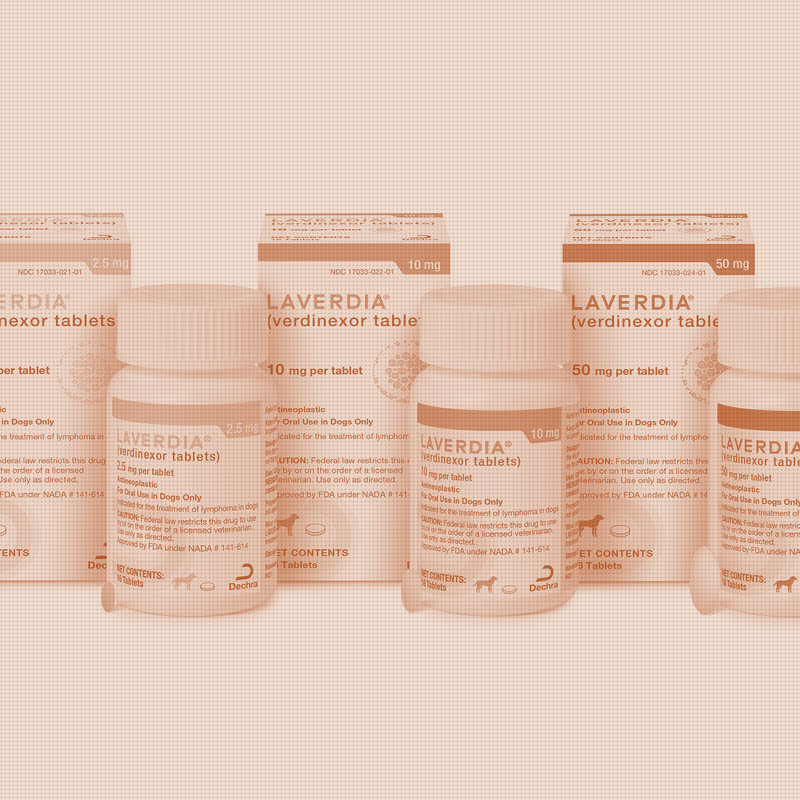
Dechra's Oral Cancer Pill Targets the Dogs Chemo Never Reaches
Dechra is commercially launching Laverdia, the first FDA-approved oral treatment for canine lymphoma, developed by Anivive and licensed to Dechra in 2022. The bet isn't on winning cases from oncology referral networks, but on treating the roughly 80% of diagnosed dogs who currently get no chemotherapy at all.

PetMeds Names New CEO, Rebuilds Board Amid Takeover Fight
PetMeds named Jeff Willard as its next CEO and added two new independent directors, including a Shake Shack executive as board chair, while a $3-a-share takeover bid from SilverCape Investments remains unanswered since June. None of the three new leaders has prior ties to the company, a signal the board is building outside credibility for whatever comes next.