Oxyfresh's New Dental Powder Enters a Category Everyone's Suddenly Chasing
Oxyfresh launched a Triple Biotic dental powder for cats and dogs, joining Prodogi's dissolvable strip and Wuffes' competing powder in a pet dental category now growing 7.31% a year. The real test is repurchase data, not launch claims.
More than 90% of dogs show signs of periodontal disease by age two, and daily brushing remains one of the least-adopted habits in pet care. That gap between a near-universal problem and a barely-used fix is why the pet dental aisle has become one of the more crowded corners of pet wellness this year. Oxyfresh, a three-decade veteran of the category, just added its own answer: a probiotic dental powder meant to replace the toothbrush routine most owners skip.
Oxyfresh launches Triple Biotic dental powder for pets
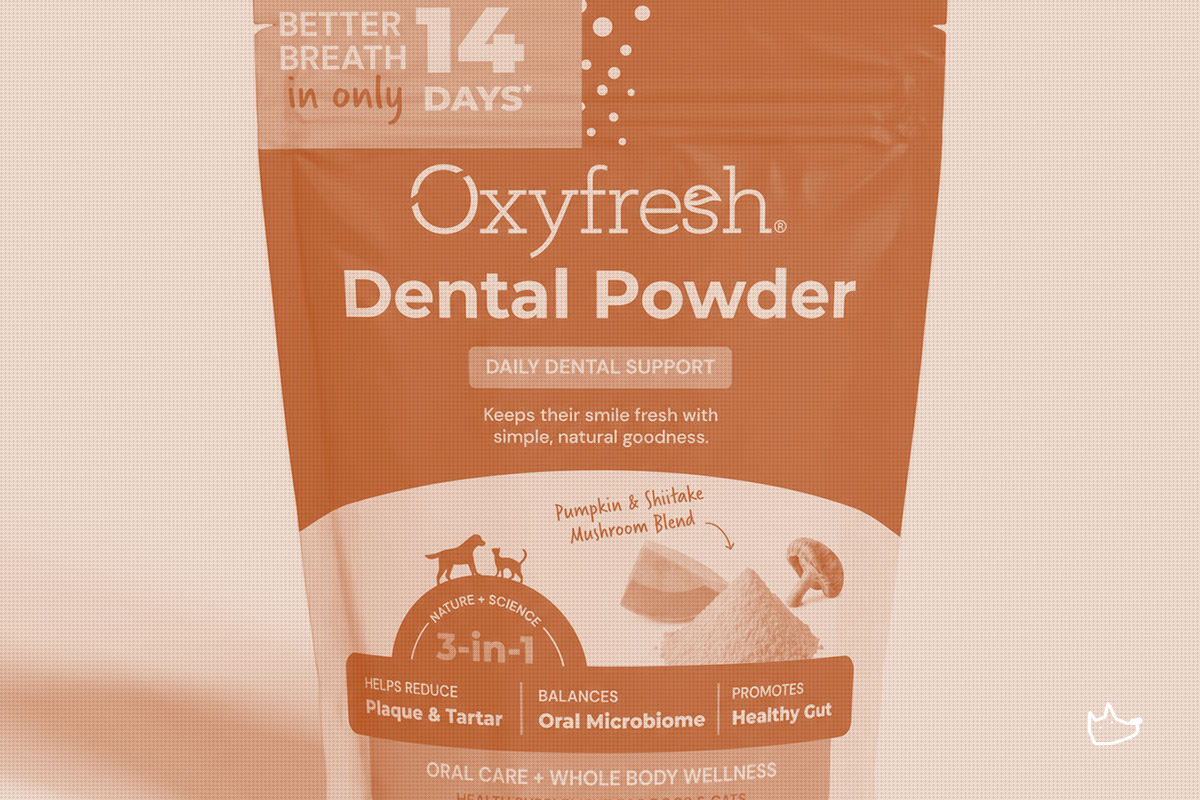
Oxyfresh introduced its Advanced Dental Powder for Cats & Dogs, built around what the company calls a "Triple Biotic" blend of prebiotics, probiotics, and postbiotics aimed at the oral microbiome rather than just surface plaque. The powder sells for $34.95 through Amazon, Oxyfresh.com, and select pet specialty retailers.
The formula excludes kelp, seaweed, algae, and sodium hexametaphosphate, ingredients common in competing dental products, and adds pumpkin powder, cranberry, shiitake mushroom, and green tea extract for what the company frames as broader digestive and immune support alongside oral care. Oxyfresh says the product is clinically shown to freshen breath within 14 days while reducing plaque and tartar buildup, and it's built a "14-Day Fresh Breath Challenge" promotion around that claim.
"Many dental products treat symptoms instead of supporting where problems begin," said Karst Downey, Oxyfresh's VP of research, development, and quality assurance. Melissa Gulbranson, the company's president, framed the pitch around habit formation rather than efficacy alone: "Pet parents want solutions that fit into real life."
That framing points at the actual problem Oxyfresh is selling against. As the release itself puts it, "dental disease remains one of the most common health issues affecting pets, yet daily brushing continues to be one of the least adopted pet care habits."
Why the pet dental aisle is suddenly this crowded
Oxyfresh isn't alone in chasing that adoption gap, and the timing says something about where the category is heading. In June 2026, veterinarian-founded startup Prodogi launched a dissolvable oral strip designed to reach surfaces a powder or chew can't, backing it with company-sponsored trial data claiming an 80% reduction in volatile sulfur compounds within 14 days. Wuffes, which we covered after its Raymond James dealmaker CEO hire in August, has also entered the category with a Dental Powder built around its SuperYolk IgY Technology platform, sold DTC through wuffes.com. Three different companies, three different delivery mechanisms, all built around the same underlying fact: pet owners will not brush their pet's teeth consistently, no matter how often veterinarians tell them to.
That's not a coincidence of timing. The pet dental health market is sized at $10.91 billion in 2026 and projected to reach $15.52 billion by 2031, a 7.31% compound annual growth rate that's outpacing plenty of other pet wellness categories. A near-universal health problem with single-digit daily-habit adoption is close to a perfect setup for consumer products, and enough companies have now noticed to turn "replace the toothbrush" into a genuine sub-category rather than a niche.
The narrower oral care products segment specifically, as opposed to the broader dental health category, is sized at $3.24 billion in 2026 and growing at a steadier 6.46% compound annual rate through 2031. That's real but unspectacular growth on its own, which is exactly why individual launches are working so hard right now to stand out inside the category rather than simply riding its tailwind.
For operators, the more interesting question isn't which brand launches next. It's which delivery format, powder, strip, water additive, or chew, actually changes adoption rather than just changing packaging. Oxyfresh built its original reputation on a water additive, the lowest-effort format available. This powder is a bet that owners who won't add a daily additive might still sprinkle a powder on food. Prodogi is betting the opposite: that a strip requiring direct application will outperform anything passive, because full-coverage contact beats convenience. Both bets can't be right about the same customer, which makes the category worth watching for real repurchase data instead of launch-week claims.
Subscription economics make the stakes higher than a single sale. A dental product that actually gets used daily is a natural auto-ship candidate, the same recurring-revenue logic that built Chewy's core business. A product that gets tried once and abandoned in a cabinet is a one-time Amazon order and nothing more. That gap between trial and habit is where all three of these companies will actually make or lose money, regardless of which one wins the initial press cycle.
Which dental format wins the adoption problem next
The near-term signal will be retail data, not press releases. Powders, strips, and water additives all compete for the same shelf and the same subscription slot, and repurchase rate is the only number that actually separates a habit-forming product from a one-time trial. None of the three companies discussed here have published that number yet.
The larger trend worth tracking is whether any of these challengers pull real share from the toothbrush-and-treat status quo, or whether the category simply fragments further into formats that each capture a sliver of the same non-brushing household. A $10.91 billion market growing at 7.31% a year has room for more than one winner. It doesn't have room for every format to succeed equally, and the next year of Amazon review data will start sorting that out well before any company's own case studies do.
Source: Oxyfresh via PR Newswire
Other News
More stories shaping the pet industry this week. From funding rounds and product launches to regulatory shifts and retail strategy, stay ahead of what's driving the market.

Leap Venture Studio Opens Applications for a Record-Chasing Cohort 11
Leap Venture Studio is accepting applications for Cohort 11 through October 18th, returning to a spring start after a record 300-plus applications for Cohort 10. The program offers portfolio startups mentorship, capital, and access to investors from Mars Petcare, TAW Ventures, and Michelson Found Animals, with this cycle prioritizing pet healthspan, feline-first care, senior pets, dental health, and allergy solutions.
ZuttoNyan Brings an Unverified 'No. 1 in Japan' Claim to the US
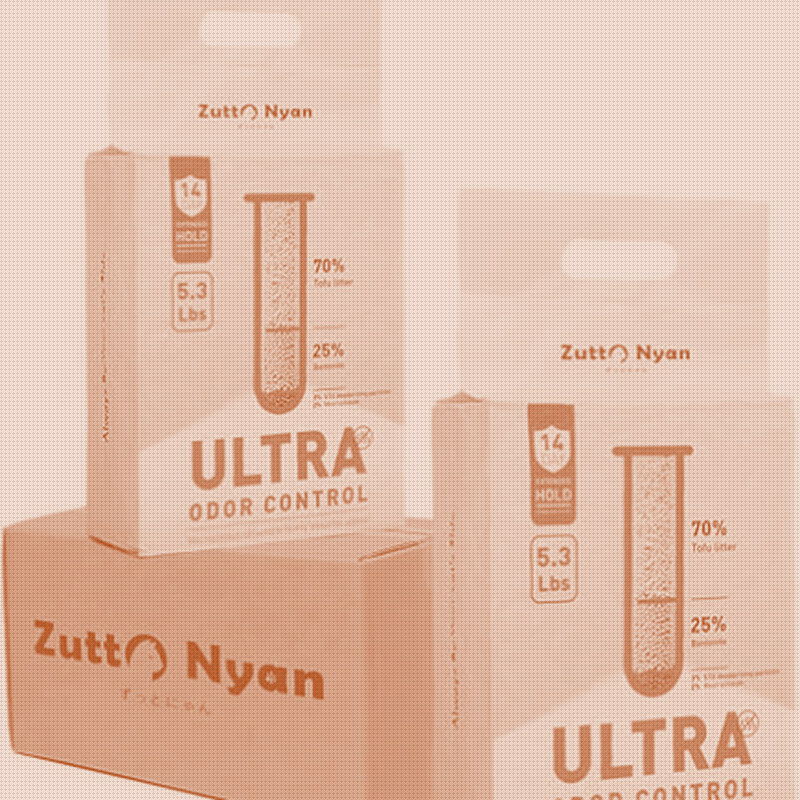
ZuttoNyan launched tofu and cassava cat litter in the US via TikTok Shop and Amazon, branding itself Japan's No. 1 mixed litter maker. Its own prior release shows it entered Japan just 13 months earlier, with no data behind the claim.

Pet Owners Now Weigh Retirement Against Vet Bills, Survey Finds
A new Spot Pet Insurance survey of 3,600 U.S. pet owners finds 42% would delay retirement over vet care and 75% would reject a pet-restrictive home. The data hands financial-services and real estate operators a number to build around.