Unicharm Enters India Leading With Litter, Not Food
Unicharm is opening its India pet care business with cat litter and toiletries rather than premium food, riding baby-care and feminine-care distribution it already owns in-country. The sequencing is the lesson: a market entry is a distribution problem before it is a product problem, and diversified CPG giants can enter pet sideways at scale.
A pet market that Unicharm expects to roughly double by 2030 just drew one of the world's largest hygiene manufacturers. The category it chose to lead with says more than the entry itself.
Unicharm, the Japanese maker behind MamyPoko diapers and Sofy sanitary products, is opening its India pet care business in July 2026 with cat litter and toiletries, not premium food. That sequencing is the story for anyone weighing an emerging-market entry.
Unicharm enters India's pet care market with litter and hygiene
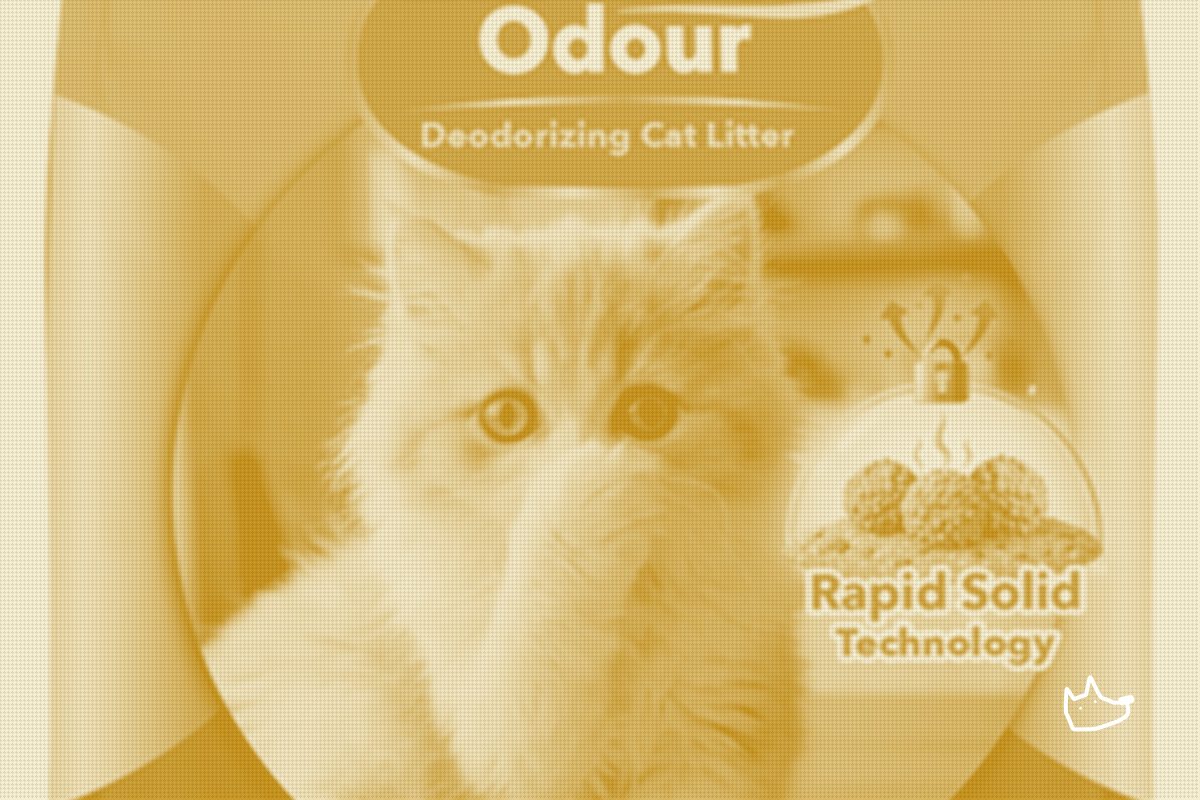
The company (TOKYO: 8113) is entering with products like its Ezi-Lock Odour Deodorizing Cat Litter, part of what it calls a total care approach spanning "diet" and "excretion." India leads with the excretion side.
The move is not opportunistic. Under its 13th Mid-Term Management Plan, launched in 2026, Unicharm names pet care a key growth driver, and India follows its May 2026 entry into Brazil through the acquisition of Nutrire, a local pet food manufacturer. Brazil is the world's third-largest pet care market; Unicharm bought its way in. India, it is building organically.
Pet care is already a core pillar, not a side bet. The segment posted FY2025 consolidated net sales of ¥156.1 billion, up 5% year over year, across 11 countries and regions since Unicharm launched the business in 1986.
The demand case is familiar: rising disposable incomes, urbanization, and the humanization of pets. Unicharm projects the India market roughly doubles by 2030 versus 2025. Independent estimates vary by definition, from under $1 billion for narrowly defined pet care in 2025, per Grand View Research, to $8.6 billion for the broader pet care products market, per IMARC Group. The dollar figure is contested; the direction is not.
Why emerging-market pet entries start with consumables, not premium food
The instinct for most brands entering a growth market is to lead with premium food and ride the humanization wave. Unicharm is doing the opposite, and the logic is worth copying.
Litter and hygiene are habit-forming consumables. They sell on frequency and replenishment, not on a one-time premium purchase decision. In a market where per-pet spend is still climbing, a low-consideration recurring product builds shelf velocity and household penetration faster than a bag of premium kibble aimed at a thinner slice of buyers.
The bigger advantage is structural, and it is easy to miss. Unicharm is not a stranger to India. It already runs large baby-care and feminine-care businesses there, which means existing manufacturing, distribution relationships, and retail shelf presence. Absorbent hygiene is absorbent hygiene, whether the end user wears the diaper or uses the litter box. Leading with litter lets Unicharm ride infrastructure it already paid for rather than standing up a cold food supply chain.
That is the operator takeaway. A market entry is a distribution problem before it is a product problem. Unicharm chose the category that maximizes overlap with capabilities it already owns in-country, then plans to expand the assortment from a position of shelf strength. A Western DTC brand parachuting premium food into India has none of that leverage and burns capital acquiring each customer.
It also reframes the competitive map. The threat to incumbents in emerging pet markets is not only other pet companies. It is diversified consumer-goods giants with local hygiene distribution who can enter pet sideways, at scale, and subsidize the land grab from adjacent categories.
What Unicharm's next move signals for global pet expansion
The tell to watch is whether food follows, and how. Brazil came through acquisition. India is starting organic. If Unicharm later buys an Indian pet food manufacturer, that confirms a two-speed playbook: build the hygiene beachhead with owned infrastructure, then acquire into food once the brand and shelf are established.
Watch the 13th Mid-Term plan disclosures for explicit India targets and any signal of M&A appetite in South Asia. Watch, too, whether other global CPG hygiene players read the same map and move on India's cat and dog consumables before the category premiumizes.
For operators with international ambitions, India just moved from "someday" to actively contested by a disciplined major. The window to establish a brand before the giants set the shelf is narrowing.
Source: Unicharm Announces Full-Scale Entry into India's Pet Care Market, via Business Wire
Other News
More stories shaping the pet industry this week. From funding rounds and product launches to regulatory shifts and retail strategy, stay ahead of what's driving the market.
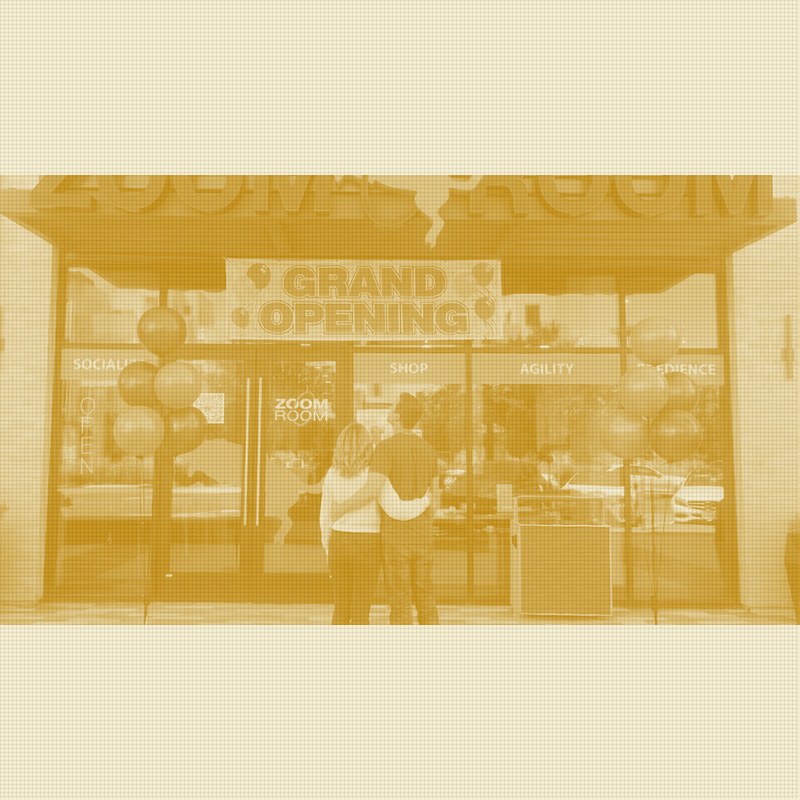
Zoom Room returns to franchising with 18.2% same-store sales growth
Zoom Room reported 12.0% and 18.2% same-store sales growth in Q2 and Q3 after pausing development in late 2025, and 15.1% for units open more than a year. It now resumes franchise sales with two quarters of operating data, and a 550-gym target that implies about 120 openings a year.
MPM Products recertifies as a B Corp under B Lab's audited new standards
The owner of Applaws, Reveal and Encore is one of 20 UK companies in the first cohort to certify under B Lab's rewritten standards, which add third-party assurance and a five-year cycle. With the EU's sustainability label rules applying from September 27th, 2026, B Lab says an assured B Corp badge now qualifies as a valid label.

Cat food owner hands North America to its marketing chief
MPM Products, the owner of Applaws, Reveal and Encore, has named global CMO Samantha Greenwood president of North America. The US brings in more than 40% of company revenue, and we read the pick as fitting Partners Group's cat-focused growth thesis in a pet food category APPA expects to grow about 2% in 2026.