
Deven Vespi | Advisor, DRV Advisory
Clinically proven has no shared definition in pet, yet it now shapes deals as much as labels. Deven Vespi learned the trade in FDA-regulated animal health, and she explains how to check a study before you trust it or build a deal on it. She covers sample sizes, dosing gaps, why brands get blindsided by their own research, and how long published data stays an edge.

“Clinically proven” has moved beyond the label and into the deal room. Scientific proof now shapes consumer trust, and more and more it shapes investment, M&A, and partnership talks too. But the pet industry still has no shared definition of the phrase, and none of the existing standards bodies test whether a product actually works.
Deven Vespi learned the business under strict rules. In FDA-regulated animal health, you can’t say a word beyond what a peer-reviewed, published study shows. After earning her MBA, she moved to the health additives side of animal nutrition and found a market where that kind of research existed but wasn’t the norm.
She is now pursuing a Doctorate of Business Administration at Paris School of Business focused on negotiation, and advises a few startups on go-to-market strategy. Her published writing has mostly focused on dealmaking. Here, she turns to the science.
We asked her how to tell real proof from good marketing. In this interview, she covers:
- The first thing to check in any study, and why some “clinically proven” claims fall apart on it
- The kind of claim that should make a US buyer suspicious, and why the rules differ in the UK
- A dosing gap she has seen in formulas around the world, even when the right ingredient is on the panel
- The internal mistake that blindsides brands when their own study gets published
- A bill in Congress that could change who has a reason to pay for research
- Why published data gives you leverage at the table, and why that leverage expires
Plus, why she sees an opportunity beyond premium pet: the animals around the world that barely get basic care.
Other Interviews
More conversations with founders, operators, and investors building the future of pet care.
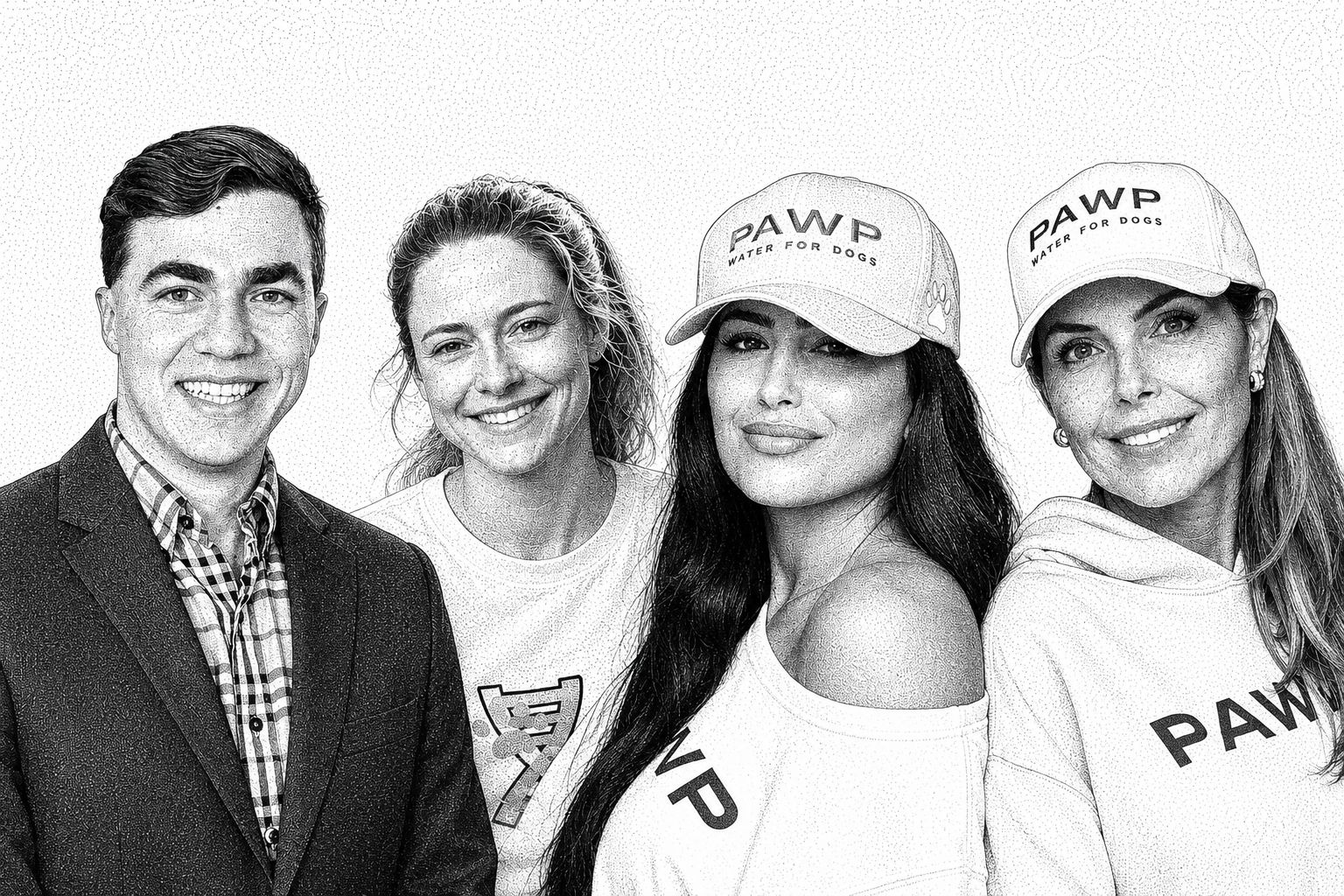
Meet the Founders: 3 Startups Shaping the Future of Pet Health
Pawsible Ventures took seven of more than 130 applicants into its second cohort. Three of them work very different corners of pet health. Nicole Shlomof and Gila Leibovitch of Pawp Water sell functional water to owners who already fill the bowl, Andria Beal of EpiPaws turned dolphin epigenetics research into biological-age tests for dogs and cats, and Elliot Greenwood of ChckVet sells software to vet practices that resist new tech.
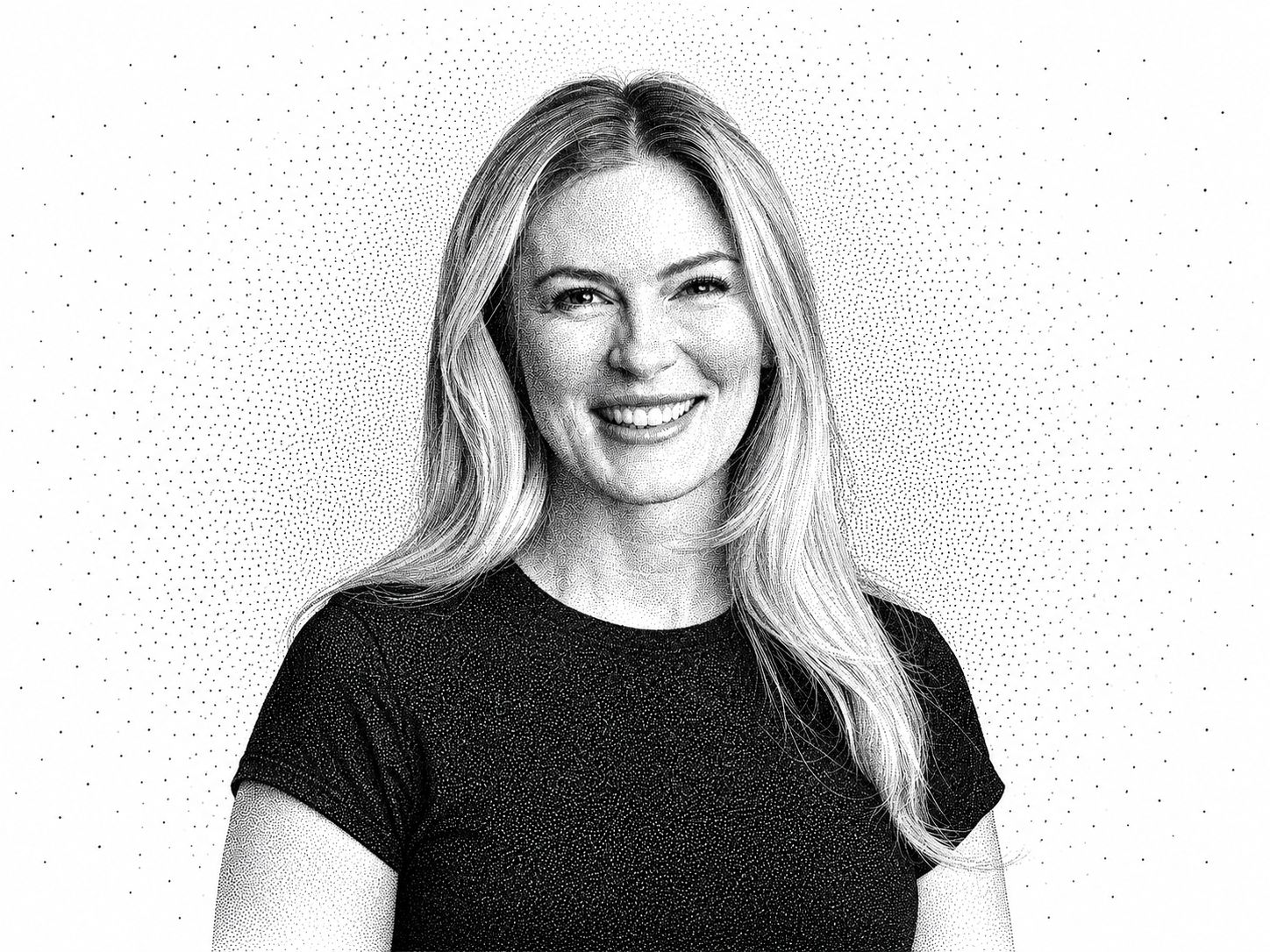
Elizabeth Iorns | Co-Founder & CEO, Familiar Therapeutics
Elizabeth Iorns lost her French Bulldog to a brain tumor that a published canine study suggested could be treated, but no company had taken the drug forward for dogs. Now she and Science Exchange co-founder Dan Knox license the companion animal rights to human drugs at Familiar Therapeutics: 13 programs and $5 million raised in five months, plus a pitch to pharma that pet trials validate targets faster than phase two.

Brian Cheng | Co-Founder, HOLY CAP
HOLY CAP launched in Hong Kong in 2022 selling functional mushroom powders and learned fast that pet owners will not measure another supplement into the bowl. Co-founder Brian Cheng explains the pivot to lickable Squeezees, why in-person sampling beats Amazon at this stage, the operating cost of 14 SKUs split across dogs and cats, and the plan to become a complete-diet brand.