
Health & Vet Care
Vet clinic economics, animal drugs and approvals, diagnostics and longevity, pet insurance and health claims. How pet care runs as a business, and who makes money from it.



Start here
- Why Vet Clinics Don't Post Prices, and Who Is Changing That
Only 3 of 157 clinic websites post a price. Why opacity pays, how insurance locks owners in, and who now competes on posted prices.
- Dog Longevity Research Is Booming. Pet Brands Are Selling Supplements Instead.
Four datasets on where the science, the FDA and the brand filings are heading in dog health and aging.
- BPC-157 for Dogs: Peptides, Bad Vials and the FDA Gap
Owners inject peptides dosed on Reddit. What the FDA vote covers, what it does not, and the canine trial nobody has run.
- Fear Free at 10: How Low-Stress Handling Became Pet Care Infrastructure
How one vet credential grew into nine programs, and what its injury and booking data does and does not show.
Key numbers
- 1.9%
of vet clinic websites post any service price. Only 3 of 157 small-animal clinics across eight states did, in a category worth an estimated $41B a year.
- 53.9%
rise in US veterinary service prices from December 2019 to October 2026, against 31.3% for all items. Price is now doing the work that falling visit counts no longer do.
- 8 of 26
original FDA dog drug approvals since 2021 came through conditional approval, about 31%. A 2018 law opened that fast lane to dogs and cats.
- ~30%
of consumer-submitted peptide vials tested by an independent lab came back mislabeled, off-dose or contaminated. No canine trial of BPC-157 exists.
Sources: Frontiers in Veterinary Science (2026), APPA, BLS consumer price index, NBC Washington reporting on independent vial testing (July 2026), and The Underbite analysis of the FDA animal drug database. Full sourcing is in each linked article.
Latest in Health & Vet Care

How Many New Pet Drugs Does FDA Approve? We Counted
We counted every original FDA approval for dogs and cats since January 2025. 68% were generics, only 13 were brand or conditional, and cats got 6 approvals of their own.

Is There Really a Vet Shortage? What Six Years of Federal Data Show
Federal data shows 12.6% more vets in 2025 than in 2019, support staff growing faster, and three forecasts that disagree. The real strain is technician pay and how clinics use their teams.
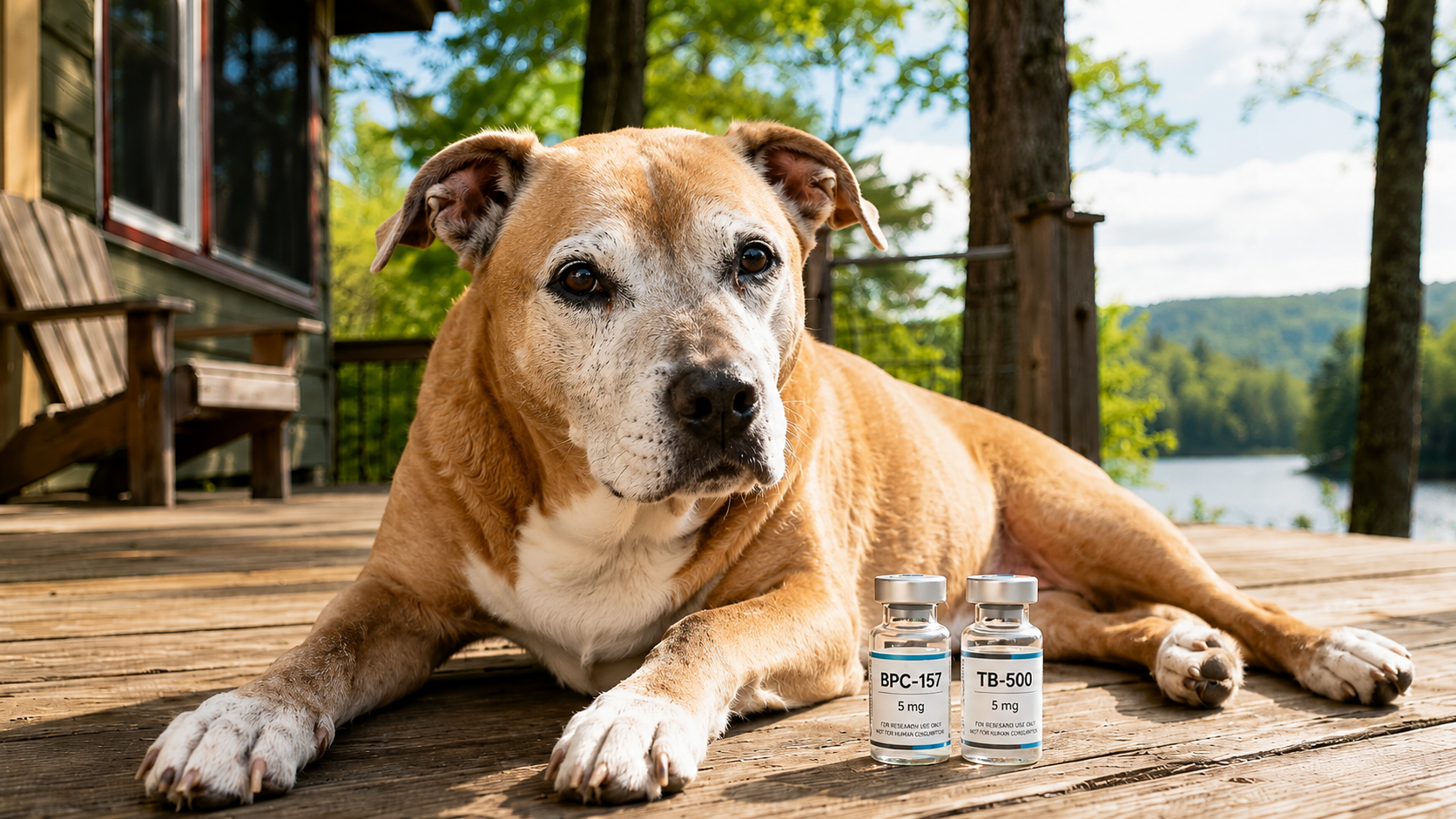
BPC-157 for Dogs: Peptides, Bad Vials and the FDA Gap
Dog owners are injecting BPC-157 and TB-500 with dosing worked out on Reddit. About 30% of tested vials come back wrong, the FDA vote covers people, not pets, and no canine trial exists yet.
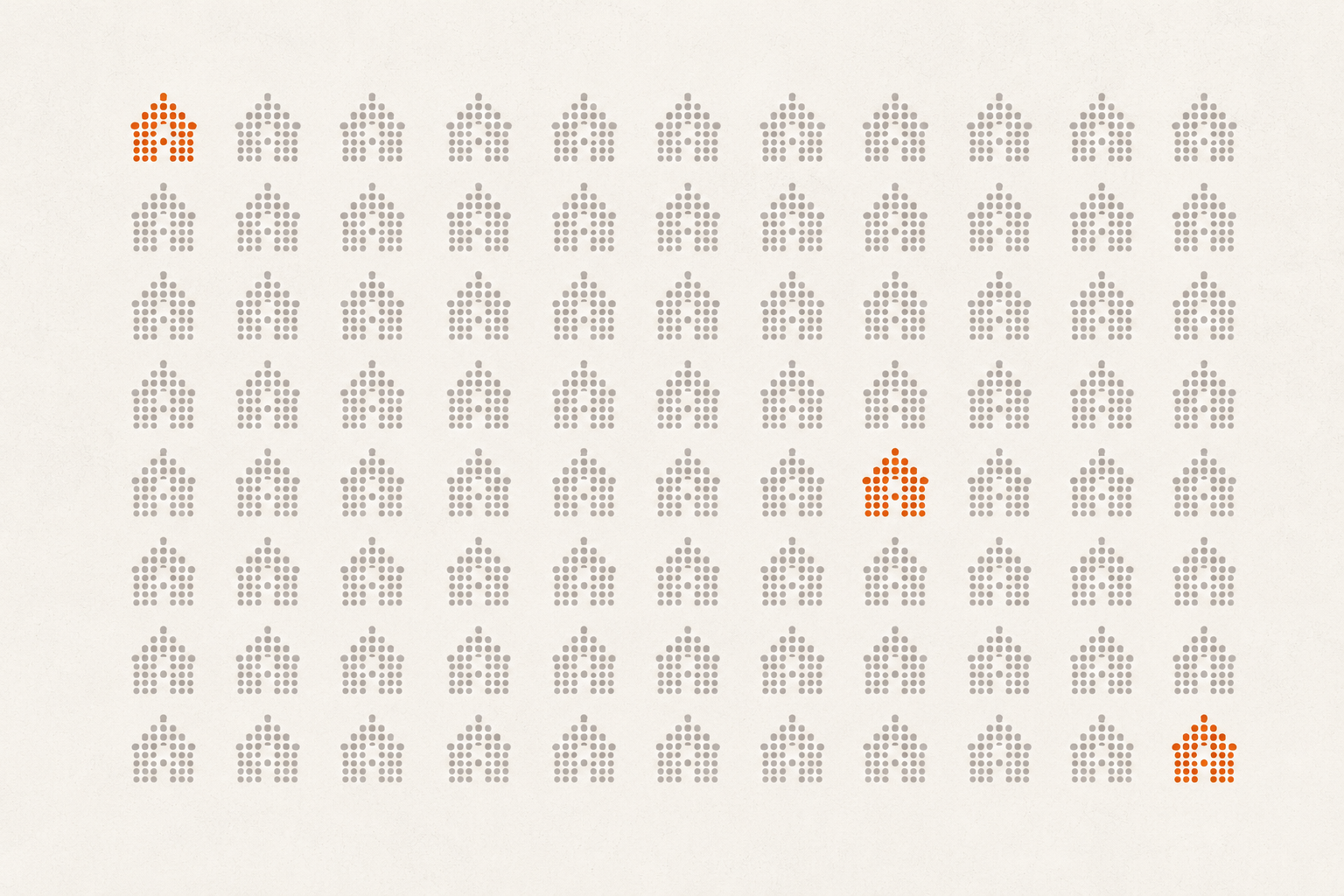
Why Vet Clinics Don't Post Prices, and Who Is Changing That
Owners can price a bag of food to the cent but not a dental. Only 3 of 157 vet clinic websites post any price. Why opacity pays, how pet insurance locks owners in, and the clinics now competing on posted prices.

Fear Free at 10: How Low-Stress Handling Became Pet Care Infrastructure
Fear Free started as a vet credential in 2016 and now spans groomers, trainers, sitters and boarding. What its injury and booking data shows, what it does not, and why the credential matters to operators.