
ASPCA study ties gel cooling products to 45 dog poisoning cases
The ASPCA reports 45 dogs with suspected acrylamide poisoning tied to gel-filled consumer products, with some gel at 21 to 86 times the top of the expected range. IVC Journal's summary of the study puts deaths at 14 of 21 dogs with known outcomes. No pet-product brand has been named.
The ASPCA said on October 6th, 2026 that a new study links 45 suspected dog acrylamide poisonings to gel-filled consumer products, including cooling pet pads, dog beds and migraine wraps. The ASPCA says gel from some cooling products tested at 21 to 86 times the top of the expected range. Anyone selling cooling pads or pet beds with a hydrogel core now faces a safety question with no pet-product brand attached to it yet.
ASPCA ties cooling gel to 45 dog cases
In an October 6th, 2026 PR Newswire release, the ASPCA said the findings appear in a new JAVMA paper. The paper describes 45 dogs with suspected acrylamide toxicosis after exposure to polyacrylamide-based hydrogel. Reported signs included vomiting, tremors, unsteadiness and seizures, and the ASPCA says deaths occurred. The release gives no death count. IVC Journal's summary of the study says 14 of the 21 dogs with known outcomes, or 67%, died or were euthanized, and that the cases came from ASPCA Poison Control's database between January 2024 and June 2026. We could not open the JAVMA paper to confirm those figures.
The lab numbers carry the story. The ASPCA says gel from some cooling products held 12,900 to 51,800 ppm of acrylamide. It puts expected levels at under 1 to 600 ppm, so those readings are 21 to 86 times the top of that range. It also compares them with a specification of 1.5 ppm or less for medical-device-grade gels such as Bulkamid, which puts them 8,600 to 34,500 times higher. That is a medical-implant standard, not one consumer cooling products are held to. All of this comes from the ASPCA's release and web pages. We had not reviewed the full paper at publication.
By our math, the highest reading is about four times the lowest. The ASPCA's clinical page says three associated products were analyzed, which is too few to say how the problem varies across the market. It attributes the signs to residual acrylamide monomer in the gel, not the polymer itself. The one cooling pet pad with a published result, tested by Cambridge Polymer Group, came in at about 4,900 ppm. By our math, that is about eight times the top of the expected range.
The products named are categories, not brands: migraine caps, eye masks, wraps, cooling pet pads and dog beds. The release names no pet-product manufacturer or retailer, and the ASPCA says the concern spans many brands.
Gel cooling products face a possible liability question
This follows earlier testing. On August 19th, 2026, Cambridge Polymer Group posted results from testing one commercial cooling pad from a product line linked to 14 dogs in ASPCA Poison Control's database. It found about 4,900 ppm of acrylamide monomer. Its authors wrote that testing alone cannot establish causation and that it is unknown whether the level is specific to one manufacturing lot. The post lists ASPCA's Colette Wegenast and The Product Injury Coalition's Ashley Haugen among its authors, both collaborators on the JAVMA work, but it does not say whether those 14 dogs are among the 45.
The ASPCA's clinical summary for vets lists cooling pet beds among the exposure sources and says there is no known antidote, so treatment centers on controlling signs and supportive care.
Dr. Colette Wegenast, ASPCA Poison Control's senior director of quality assurance, says the service receives reports of suspected cases weekly. The release gives no count or time window. We have seen case reports precede a recall before, as in the Years dog food recall, where an independent vet flagged a possible pattern. That was food, and no regulator action has been reported here.
Our view: brands and retailers that sell gel-filled products without supplier testing may be the most exposed commercially. Liability would depend on facts and law we have not reviewed. We do not know how many sellers require residual monomer testing.
What would turn this warning into recalls
Nothing in the release points to a recall, a regulator or a named product. The ASPCA's clinical page says adverse events can be reported to the CPSC or the FDA. We could not confirm whether any such complaints are on file.
If we had to guess, a supplier specification change would come before anything else. We could be wrong. A named brand or a CPSC action would turn this from a category warning into a company-specific risk.
For now, ask your suppliers whether they test gel-filled products for residual acrylamide monomer, and by what method and limit. The reporting we saw cites no consumer-product limit.
Source: ASPCA via PR Newswire
Other News
More stories shaping the pet industry this week. From funding rounds and product launches to regulatory shifts and retail strategy, stay ahead of what's driving the market.

Covetrus goes live on RELEX forecasting across its distribution centers
Covetrus says it has gone live on RELEX forecasting and replenishment software across its distribution centers. The release gives no results, and it lands as Covetrus and MWI offer remedies to win FTC and state approval of their merger.
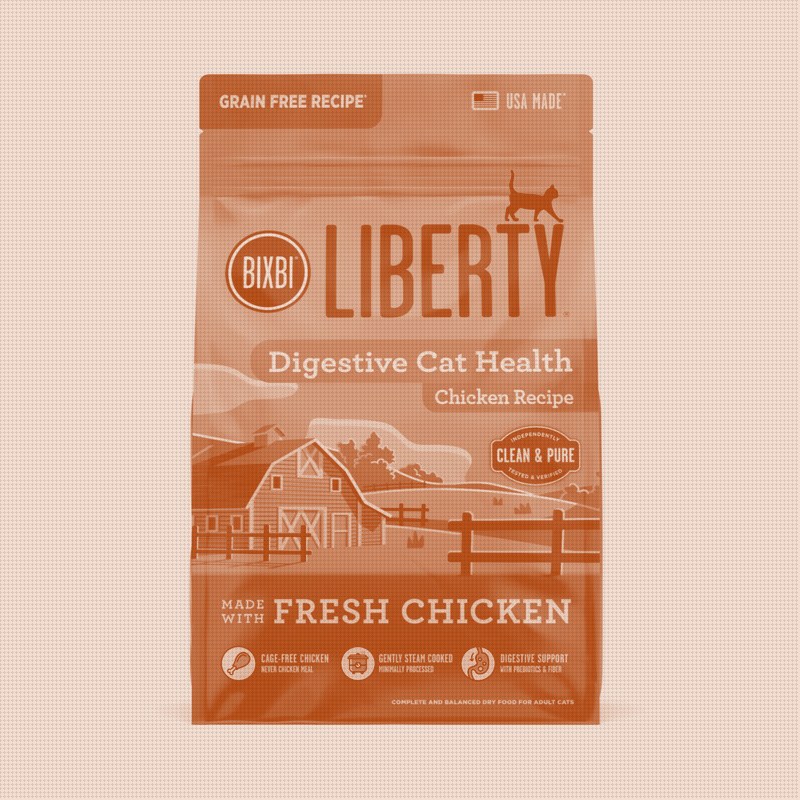
BIXBI certifies six cat kibbles days after a lead study
BIXBI certified six cat kibble recipes with the Clean Label Project on October 7th, 2026, five days after the nonprofit reported detectable lead in 99% of 100 cat foods. The seal is voluntary and private, and the Pet Food Institute disputes the study behind the headline.
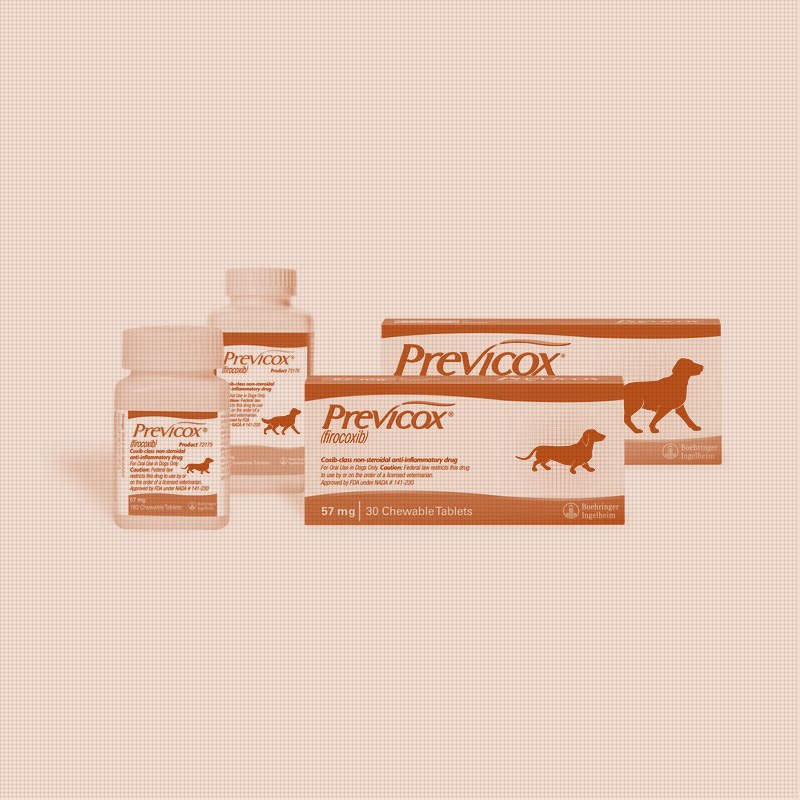
Boehringer's quarterable Previcox tablet reaches retail with a 7 pound floor
Boehringer Ingelheim announced a double-scored Previcox tablet that vets can split into quarters, with dosing for dogs as small as 7 pounds. It is a packaging and dosing change, not a new drug. Updated label copy at retail now sets a 7 pound minimum and dosing in quarter-tablet increments.