
Dechra's Oral Cancer Pill Targets the Dogs Chemo Never Reaches
Dechra is commercially launching Laverdia, the first FDA-approved oral treatment for canine lymphoma, developed by Anivive and licensed to Dechra in 2022. The bet isn't on winning cases from oncology referral networks, but on treating the roughly 80% of diagnosed dogs who currently get no chemotherapy at all.
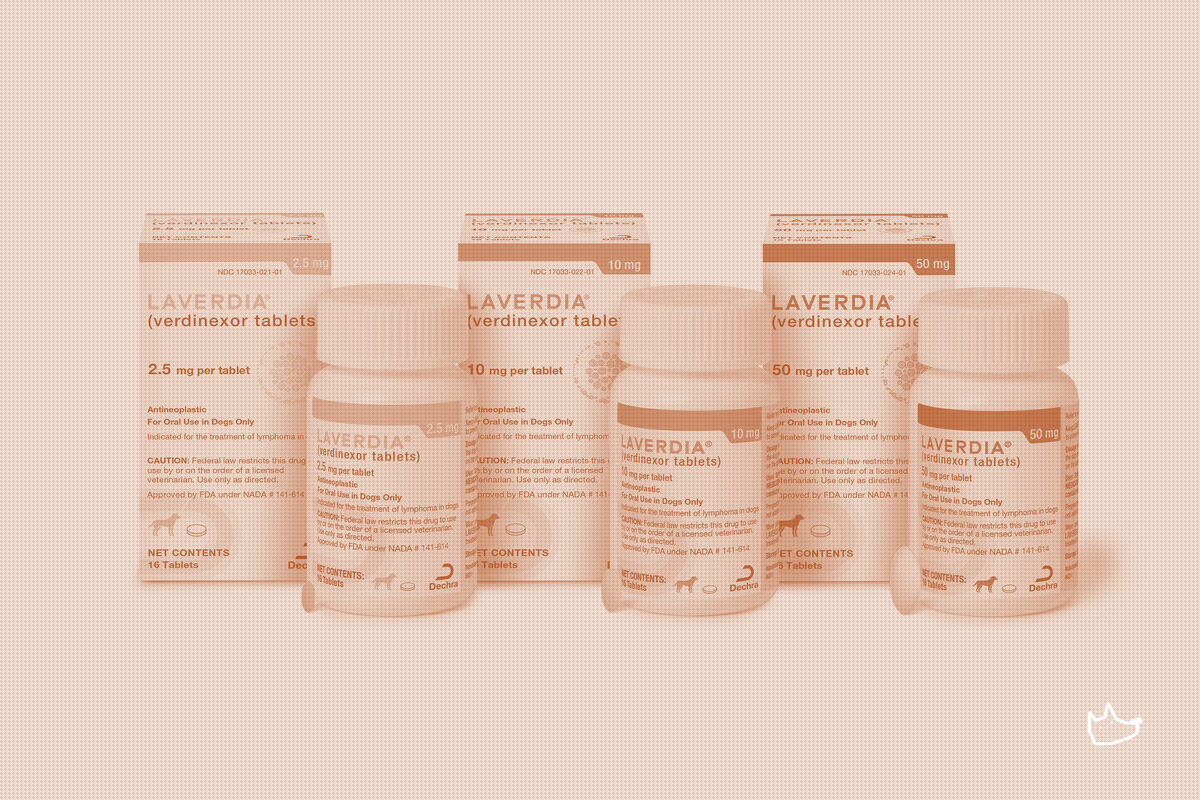
Roughly 80% of dogs diagnosed with lymphoma never receive chemotherapy, not because the disease resists treatment but because getting it usually means weekly trips to a specialty oncology practice. Dechra is betting an oral pill can close that gap.
The veterinary pharmaceutical company said Wednesday it is bringing Laverdia (verdinexor tablets) to market as the first and only FDA-approved oral treatment for canine lymphoma, a launch aimed less at competing oncologists for existing cases than at the much larger population specialty care never reaches.
Dechra markets first oral pill for canine lymphoma
Dechra announced the commercial push behind Laverdia on September 23rd, months after the FDA converted the drug's 2021 conditional approval to full approval on January 16th, 2026. Verdinexor, the active ingredient, is a selective inhibitor of nuclear export: it blocks the pathway cancer cells use to keep tumor-suppressor proteins out of the nucleus, slowing disease progression while sparing healthy cells. Dechra says it has shown activity against both B-cell and T-cell lymphoma, the two most common forms in dogs.
The drug ships in multiple formulations sized to different dog weights and is dosed orally twice a week, with at least 72 hours between doses. Dechra is positioning it for use at nearly any point after diagnosis: immediately, while an owner weighs options, ahead of multi-agent chemotherapy, after a relapse, or as a stand-alone choice when chemotherapy isn't preferred.
Because it's a tablet, owners give it at home rather than driving back to a clinic for injections. Common side effects include inappetence, vomiting, diarrhea, dehydration, weight loss, and elevated liver enzymes. Handlers wear gloves during treatment and for three days after the last dose, and the drug isn't approved for pregnant, nursing, or breeding dogs.
Anivive Lifesciences developed verdinexor and out-licensed U.S. rights to Dechra in 2022. Dechra now owns commercialization and distribution, and Wednesday's release reads as the company's first full go-to-market push now that the conditional label is gone.
The real market is the dogs never treated
Lymphoma is one of the most common cancers in dogs, and the standard of care, multi-agent chemotherapy through a boarded oncologist, works well but is expensive, time-intensive, and geographically limited to specialty practices. That's the structural reason Dechra's own estimate puts chemo uptake at roughly one in five diagnosed dogs. The other four either get no treatment, palliative steroids from a general practitioner, or nothing beyond hospice care.
An oral drug a general practice vet can prescribe and an owner can administer at home doesn't ask that math to change by winning referrals away from oncologists. It asks the math to change by treating dogs oncologists were never going to see in the first place. That's a different, and arguably larger, opportunity than displacing an existing protocol.
It also changes who captures the revenue. Chemotherapy protocols are built around repeat specialty visits: sedation, IV catheters, monitoring, follow-up bloodwork. A twice-weekly pill dispensed at a general practice clinic, and refilled the same way any chronic-disease prescription is, moves oncology drug revenue out of the referral network and into primary care. For corporate consolidators running both general practice and specialty hospitals under one roof, that's a wash. For independent specialty oncology practices, it's a case-mix question worth tracking.
Laverdia isn't the only drug chasing this label. Elanco's Tanovea has been on the market longer as an injectable option, typically given as part of a chemotherapy protocol rather than instead of one. Laverdia's pitch is specifically the at-home, oral, no-injection angle, which puts it in a different lane than Tanovea rather than head-to-head with it. Whether that lane is big enough to matter financially for Dechra depends on how many of the untreated 80% were skipping treatment over cost and convenience rather than an owner's decision not to treat at all.
The launch also continues a pattern for Dechra, which has spent 2026 using the FDA approval pipeline to add specialty categories it didn't previously compete in. The company closed a gap in Cushing's disease diagnostics in May with an FDA-approved test. Laverdia extends that same playbook into oncology, a category with far larger addressable spend than any single diagnostic test.
Whether general practice vets start prescribing oncology drugs
The number to watch isn't a sales figure. It's whether general practice clinics, not oncology referral centers, become the primary point of prescription for Laverdia. Dechra's own framing, that the drug works "immediately after diagnosis" and "when chemotherapy isn't preferred," is a pitch aimed squarely at GPs who currently refer lymphoma cases out or, more often, don't refer them at all.
BluePearl's Dr. Craig Clifford, quoted in Wednesday's announcement, described "intriguing responses" in some dogs with progressive cutaneous lymphoma, a subtype that's historically been hard to manage. That's a specialist's endorsement of a drug built to be prescribed outside specialty settings, worth noting given how the incentives usually run the other way.
Two things determine how much of the untreated 80% actually converts. One is pricing, which Dechra hasn't disclosed and which will decide whether "no chemo" also means "no discussion of cost" for owners who were declining treatment on price grounds. The other is insurance: whether pet insurers treat an oral oncology prescription the same way they treat chemotherapy claims, or carve out a lower reimbursement tier, will shape how many general practitioners feel comfortable raising it as an option in the first place.
Source: Dechra via PR Newswire
Other News
More stories shaping the pet industry this week. From funding rounds and product launches to regulatory shifts and retail strategy, stay ahead of what's driving the market.
GoodVets Buys WellHaven's 40 Hospitals, Ending Its De Novo-Only Era
GoodVets is acquiring WellHaven Pet Health's network of more than 40 hospitals, growing its footprint from 75 to 116 locations. The deal marks a shift from the de novo strategy that defined the General Atlantic-backed platform's first decade toward the acquisition-led growth every other scaled vet consolidator already runs on.

PetMeds Names New CEO, Rebuilds Board Amid Takeover Fight
PetMeds named Jeff Willard as its next CEO and added two new independent directors, including a Shake Shack executive as board chair, while a $3-a-share takeover bid from SilverCape Investments remains unanswered since June. None of the three new leaders has prior ties to the company, a signal the board is building outside credibility for whatever comes next.
After 13 Years Photographing Dogs, The Dogist Launches Its First Product
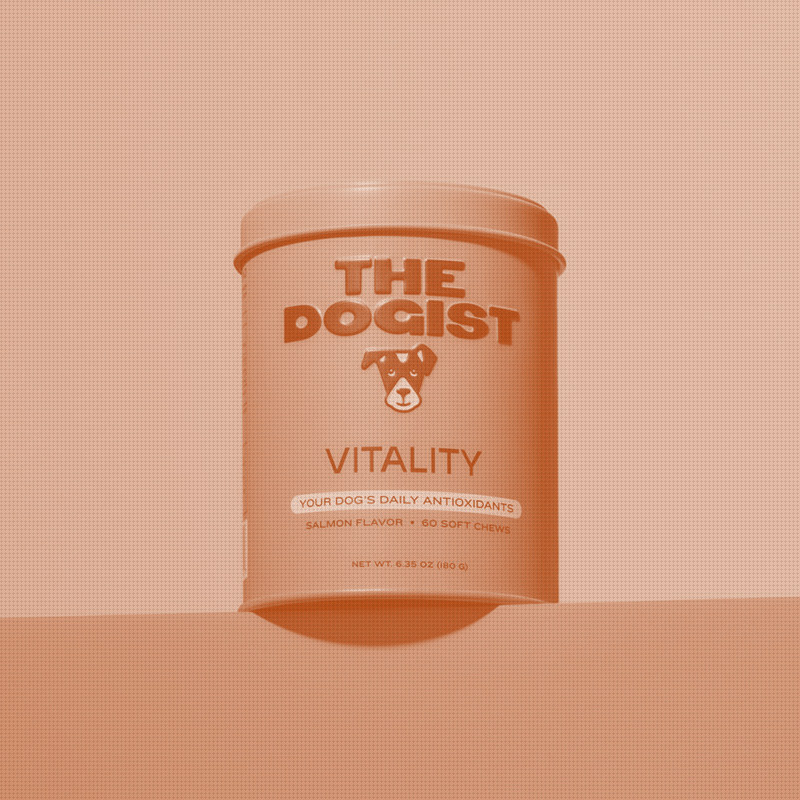
Elias Weiss Friedman's picky-eater dog, Elsa, inspired his first product: Vitality, a $35 antioxidant chew developed with a board-certified veterinary nutritionist. Preorders open now ahead of a September 22nd release on The Dogist Company's site and TikTok Shop.