GoodVets Buys WellHaven's 40 Hospitals, Ending Its De Novo-Only Era
GoodVets is acquiring WellHaven Pet Health's network of more than 40 hospitals, growing its footprint from 75 to 116 locations. The deal marks a shift from the de novo strategy that defined the General Atlantic-backed platform's first decade toward the acquisition-led growth every other scaled vet consolidator already runs on.
A veterinary platform that built its whole identity on opening clinics one at a time just bought its way to a 41-location jump in a single announcement. GoodVets is acquiring WellHaven Pet Health's network of more than 40 hospitals across seven states, pushing its footprint from 75 locations to 116. The move marks a break from the de novo strategy that defined GoodVets' first decade, and a step into the acquisition-led growth every other scaled platform in the category already runs on.
GoodVets adds 41 hospitals in a single WellHaven deal
GoodVets and WellHaven Pet Health announced the deal on September 24th, 2026, with no financial terms disclosed. GoodVets grows its hospital count by roughly 55%, from 75 to 116, in one transaction.
WellHaven brings hospitals across the Pacific Northwest and Midwest, regions where GoodVets previously had little to no presence. The company was founded by former Banfield executives and built out of Vancouver, Washington, with backing from Martis Capital, a healthcare-focused private equity firm.
WellHaven hospitals will transition to the GoodVets brand over time, according to the companies, while keeping local staff and day-to-day operations intact.
"We've built GoodVets hospital by hospital alongside veterinarians who share our values and believe that exceptional care begins with strong local relationships," said Ryan Joseph, GoodVets' co-founder and CEO. WellHaven CEO Justin Scambray framed the deal as an upgrade in resources for his hospitals' existing teams and clients.
A de novo platform just picked the roll-up path instead
GoodVets spent its first decade selling a specific pitch: it doesn't buy existing practices, it builds new ones from scratch alongside veterinarians who keep an equity stake and a say in how their hospital runs. That pitch is what drew General Atlantic, which made a strategic growth investment in the company in 2023 when GoodVets ran 22 care centers across 11 metro areas. General Atlantic's own announcement called GoodVets "a leader in the de novo veterinary market," a label deliberately distinct from the acquisition-hungry roll-ups already consolidating the category.
Three years later, GoodVets is running the roll-up playbook it used to define itself against. Buying WellHaven, a network with its own decade of history, its own brand, and its own private equity backer, is a different kind of growth than opening a new hospital and hiring a vet to build a client base from zero. It's faster. It's also harder to differentiate from what VetnCare and the rest of the category's roll-ups are doing.
De novo didn't fail GoodVets. The company still more than tripled its footprint since the General Atlantic round without walking away from the model entirely. What changed is the math: building one hospital at a time doesn't get a platform to national scale fast enough once competitors are buying whole networks in a single signature. Every consolidator that reaches real scale eventually turns to M&A, even the ones that spent years insisting they wouldn't need to.
That shift puts GoodVets in an odd middle position. Bond Vet and Small Door merged this year explicitly positioning themselves as the venture-backed alternative to private-equity roll-ups. GoodVets, backed by a growth equity firm rather than a traditional buyout shop, has spent three years selling a version of that same distinction. An acquisition this size makes the line between "growth equity platform" and "PE roll-up" harder for a pet parent, or a prospective GoodVets veterinarian, to see. The FTC's ongoing look at Covetrus and MWI Animal Health is a reminder that regulators are paying closer attention to consolidation in the category the bigger these platforms get, even below the antitrust thresholds that trigger a formal review.
For any founder building a vet platform on a "we don't buy practices" pitch, this deal is worth flagging. It's evidence that pitch has a shelf life once the growth-equity clock starts running, and once a big enough target becomes available.
What GoodVets does with a much bigger vet network
WellHaven's 40-plus hospitals need to actually convert to the GoodVets brand and operating model without losing the "strong local relationships" both CEOs invoked in their statements. That integration, not the announcement, is where roll-up deals typically create or destroy value.
Neither company disclosed a purchase price, staffing plans, or a timeline for the brand transition, leaving open questions for anyone tracking deal terms across the category. Whether GoodVets discloses more detail as WellHaven hospitals convert, or stays quiet the way most PE-adjacent vet deals do, will say something about how confident the company is in the integration going smoothly.
There's also a personnel question underneath the brand question. WellHaven was built by former Banfield executives specifically as an answer to what they called an "impersonal" corporate vet experience. Whether that culture survives a rebrand into a General Atlantic-backed platform, or whether vets and staff head for the exit the way they sometimes do after a practice sells, is the kind of detail that shows up in Glassdoor reviews and employee turnover long before it shows up in a press release.
The bigger question is whether this is a one-off or the start of a pattern. GoodVets now has the scale, at 116 hospitals, to make a second acquisition meaningfully easier to justify than its first. If General Atlantic's growth capital is funding more deals like WellHaven, GoodVets becomes a direct comparison point for every other platform still deciding whether to build or buy its way to national coverage. The next signal to track is whether GoodVets announces another acquisition before it finishes integrating this one, which would confirm the strategy shift is permanent rather than opportunistic.
Source: GoodVets via BusinessWire
Other News
More stories shaping the pet industry this week. From funding rounds and product launches to regulatory shifts and retail strategy, stay ahead of what's driving the market.
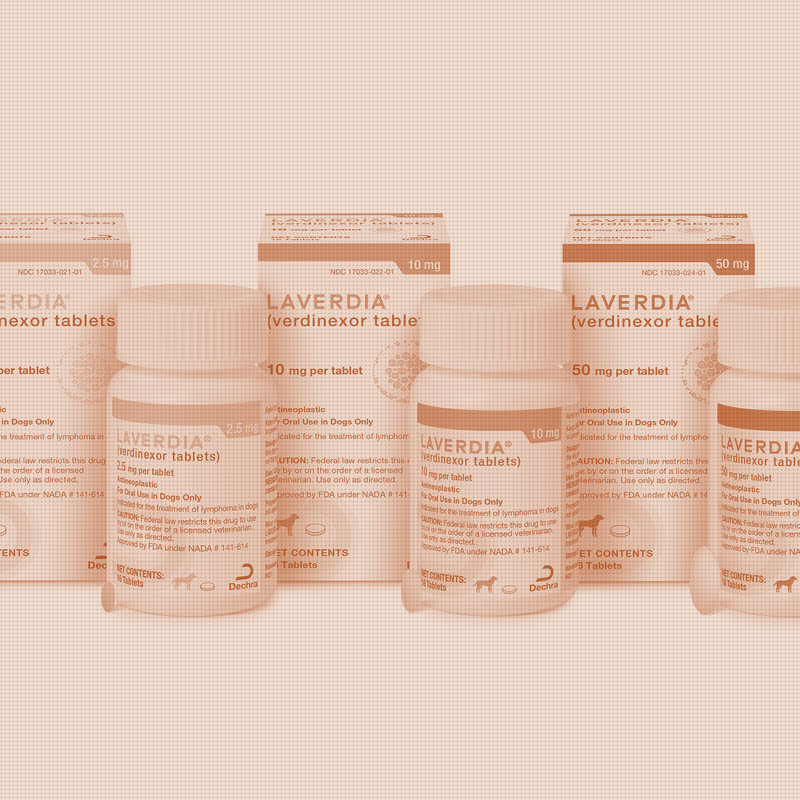
Dechra's Oral Cancer Pill Targets the Dogs Chemo Never Reaches
Dechra is commercially launching Laverdia, the first FDA-approved oral treatment for canine lymphoma, developed by Anivive and licensed to Dechra in 2022. The bet isn't on winning cases from oncology referral networks, but on treating the roughly 80% of diagnosed dogs who currently get no chemotherapy at all.

PetMeds Names New CEO, Rebuilds Board Amid Takeover Fight
PetMeds named Jeff Willard as its next CEO and added two new independent directors, including a Shake Shack executive as board chair, while a $3-a-share takeover bid from SilverCape Investments remains unanswered since June. None of the three new leaders has prior ties to the company, a signal the board is building outside credibility for whatever comes next.
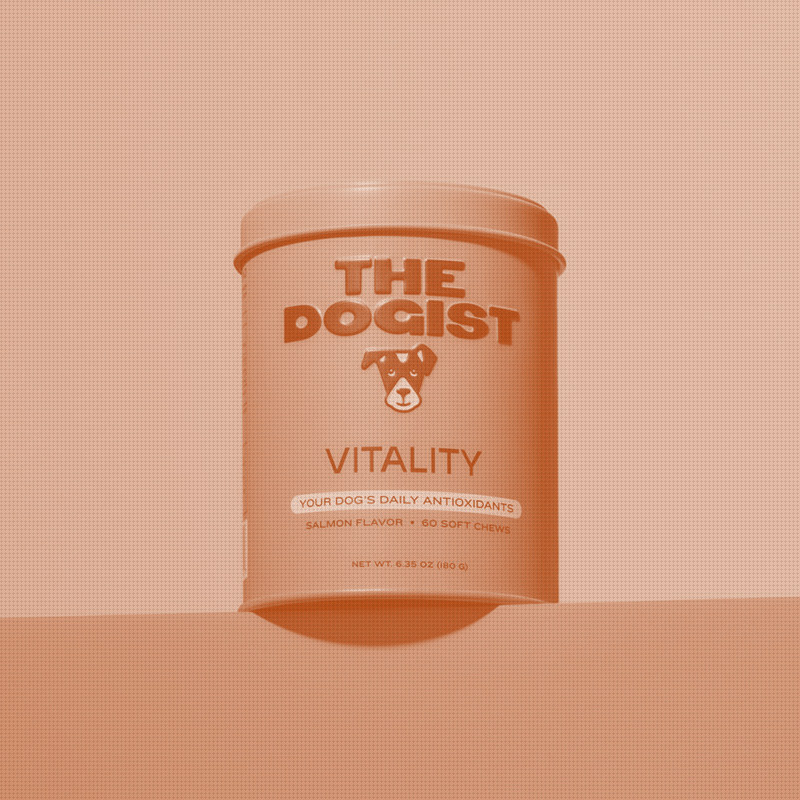
After 13 Years Photographing Dogs, The Dogist Launches Its First Product
Elias Weiss Friedman's picky-eater dog, Elsa, inspired his first product: Vitality, a $35 antioxidant chew developed with a board-certified veterinary nutritionist. Preorders open now ahead of a September 22nd release on The Dogist Company's site and TikTok Shop.