
Dog Aging Project gets $29M from NIH to track nearly 55,000 dogs
Dog Aging Project has about $29M in National Institute on Aging money to follow nearly 55,000 companion dogs through 2031, with new water, air and nutrition data.
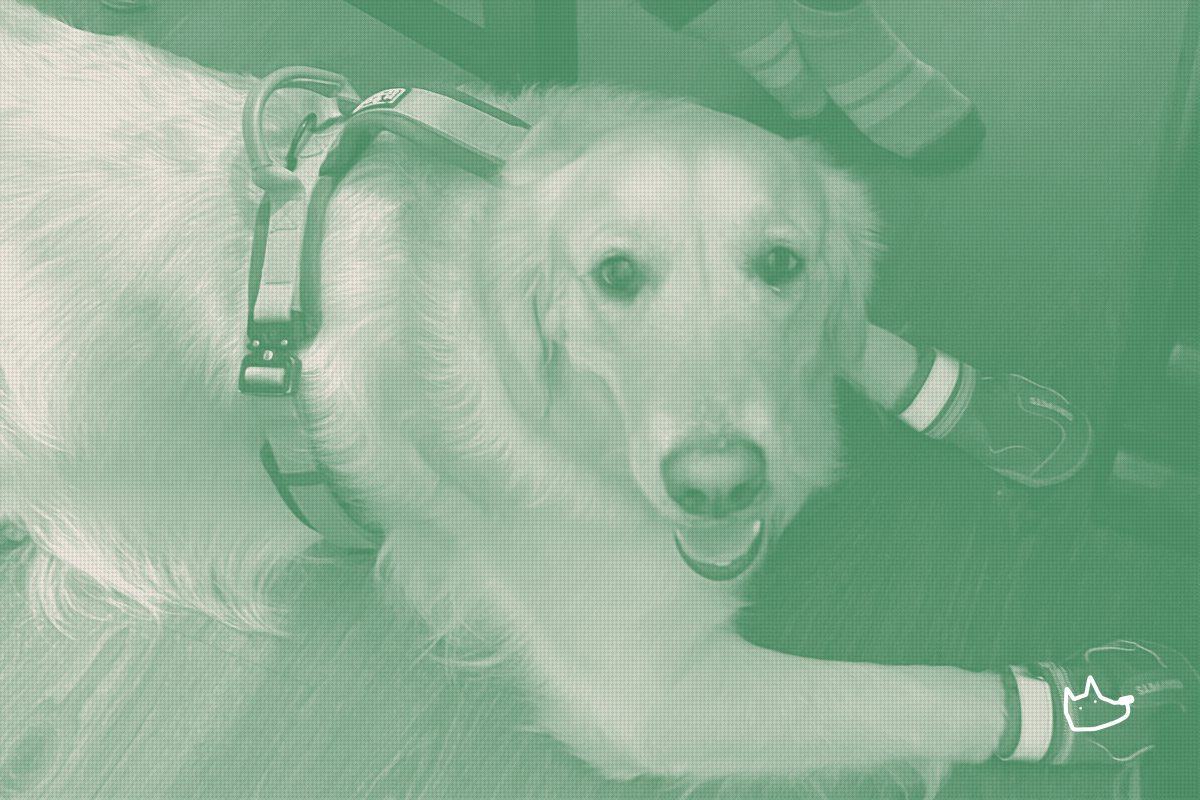
Dog Aging Project has about $29M in new National Institute on Aging money to follow nearly 55,000 companion dogs for another five years. The first-year award is $6.1M.
Tufts University is the primary recipient, and Texas A&M's veterinary college takes part through a substantial subaward.
It replaces an earlier grant the agency did not renew. In January 2024, STAT reported the agency declined that renewal with funding set to run out in June, and the founders said they wanted to raise at least $40M from donors.
The study gets longer and more specific
The project launched in 2018 and is co-directed by Dr. Daniel Promislow of Tufts and Dr. Kate Creevy, a professor at the Texas A&M College of Veterinary Medicine & Biomedical Sciences and the project's chief veterinary officer.
NIH's grant database lists a project period from September 30th, 2026 to August 31st, 2031. The first-year award splits into three research projects and four support cores.
Creevy said the first five years documented how long dogs live, which diseases they develop late in life and what causes their deaths. "In the next five years, we will have a much better grasp of why those things happen," she said, "and understanding why really gives us the potential to intervene."
Three new data streams carry that goal. Researchers led by Dr. Weihsueh Chiu plan to collect drinking-water samples, use tags that absorb chemicals from the air, and put activity trackers on a subset of dogs.
The team will also widen its nutrition work as owners choose from a more varied range of diets. A third effort targets exceptionally old dogs, using statistical methods to find those that live unusually long for their size and seeking genetic samples from qualifying dogs already enrolled.
Dog longevity drugs run on separate tracks
In December 2024, Texas A&M said it received a separate $7M NIH grant for rapamycin research, aiming to grow the TRIAD trial from 170 dogs to 580.
The commercial side moves separately. San Francisco-based Loyal, led by founder and CEO Celine Halioua, said in January 2026 that the FDA accepted the safety section of its LOY-002 application. Loyal says the daily pill for senior dogs would be the first FDA-approved drug for lifespan extension in any species.
Loyal says it has raised more than $150M and enrolled 1,300 dogs at 70 clinics in its STAY study. Its LOY-003 drug became its third effectiveness acceptance from the FDA in September 2026.
Rejuvenate Bio launched in 2020 with a Harvard license for Wyss Institute technology. It pursues dog gene therapy for age-related disease, starting with a pilot on mitral valve disease.
Who gets something out of the data
Pet food brands have the most direct stake. The project says its nutrition work will cover a growing spread of diets. Our view: a cohort this size tied to health outcomes could eventually back or undercut ingredient and format claims.
Veterinary clinics come next. Creevy said owners cannot change a dog's genetic background but may manage genetic risk through preventive care, a healthy weight and exercise.
Supplement and senior-care brands should watch the cognitive work. The team plans to study what happens before a dog develops cognitive decline, and Creevy framed the aim as finding what could lower the likelihood of dementia over a dog's life.
The project is still enrolling at dogagingproject.org, and the team plans to expand newsletters, events and social media to keep owners involved.
The plan runs through August 2031.
Source: Texas A&M College of Veterinary Medicine & Biomedical Sciences
Other News
More stories shaping the pet industry this week. From funding rounds and product launches to regulatory shifts and retail strategy, stay ahead of what's driving the market.

FTC and 13 states sue to block Covetrus's $3.5B MWI deal
The FTC and 13 state attorneys general sued to block Covetrus's $3.5B purchase of MWI Veterinary Supply, and Covetrus says it will defend the deal in court.

Tractor Supply adds Uber Eats delivery at nearly 2,500 stores
Nearly 2,500 Tractor Supply stores are now orderable through the Uber, Uber Eats and Postmates apps, with pet food and animal care in the assortment. It is the chain's second delivery marketplace after Instacart, and Petco and Pet Supplies Plus already list on delivery apps.

Corbion, MPM and Open Farm win twice at new pet sustainability awards
Corbion, MPM Products and Open Farm each won twice among 17 companies honored in the Pet Sustainability Coalition's first Worldwide awards, open only to accredited members.