Escalade Buys ASL Solutions, Betting on Pet Hard Goods
Escalade, the public sporting goods company behind Goalrilla and STIGA, has acquired ASL Solutions, a founder-owned manufacturer of insulated dog and cat houses. The deal, terms undisclosed, hands Escalade a rotational molding capability it didn't have before and marks its first move into pet hard goods.
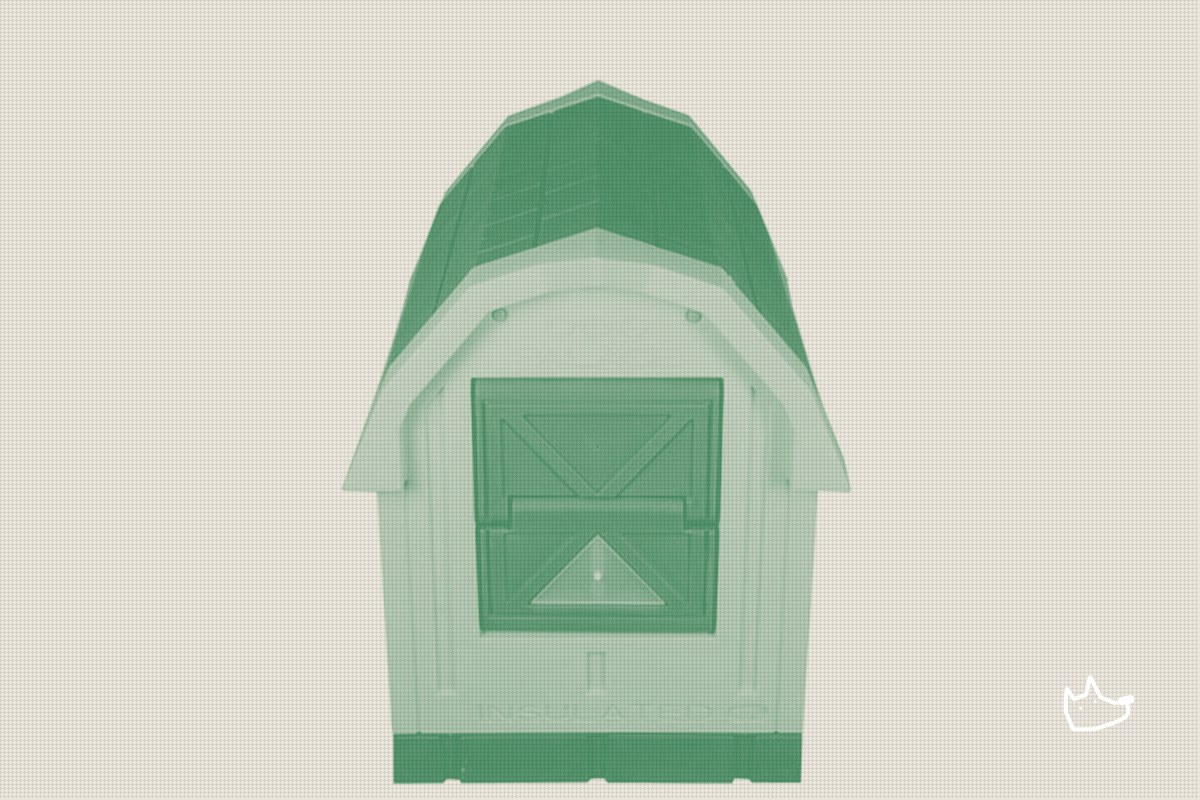
A sporting goods conglomerate best known for basketball hoops, billiards tables and cornhole sets just bought its way into the doghouse business. Escalade, Inc. said Tuesday it has acquired ASL Solutions, an Illinois manufacturer of insulated dog and cat houses, in a deal that hands the public company its first foothold in pet hard goods and a manufacturing capability it didn't have before.
Escalade folds ASL Solutions' dog houses into its lineup
The deal, announced Tuesday, August 25th, adds ASL Solutions' full lineup of insulated dog and cat houses to Escalade's portfolio, including its Dog Palace, DP Hunter and CRB Palace product lines. Financial terms were not disclosed.
ASL Solutions, founded in 2000 and based in Ste. Marie, Illinois, was built by owners Howard Atkison and Bob Guinn, who together bring more than 60 years of manufacturing experience to the company. "We believe joining Escalade is a logical next chapter for the company," the pair said in a statement.
Escalade, which trades on the Nasdaq as ESCA, has spent the past two years adding niche recreation brands to its portfolio: it acquired archery brand Gold Tip in 2025 and cornhole maker AllCornhole in December. The company carries a market cap of roughly $290 million, and its most recent quarter showed 6% revenue growth alongside what management has called a net cash position supporting continued M&A, according to its public financial data.
"The addition of ASL's rotational molding capabilities complements our existing injection and blow molding capabilities," said Allison McDonald, general manager of Escalade's US Weight Group, in the release.
Escalade's existing brand roster runs through basketball systems (Goalrilla), table tennis and air hockey (STIGA), billiards (Brunswick Billiards) and now archery and cornhole. Patrick Griffin took over as permanent president and CEO in March, and has continued the acquisition pace his predecessors set, framing the ASL deal in the release as support for "our strategy of pursuing complementary opportunities that can drive long-term value creation."
Why niche pet manufacturers are becoming roll-up targets
Pet hard goods, the unglamorous category of crates, kennels, houses and outdoor gear, has mostly escaped the acquisition wave that has swept fresh pet food, veterinary clinics and pet insurance over the past five years. Deal volume in pet product manufacturing has trailed deal volume in pet services and food by a wide margin, and the strategics active in those categories have largely stayed out of hard goods.
ASL Solutions is a different kind of target than the venture-backed brands that usually make pet industry headlines: a profitable, founder-owned manufacturer with a real production process, sold direct-to-consumer and through specialty retailers, without a funding round or hype cycle behind it. That profile, cash-generative, debt-free, decades of operating history, is exactly what platform companies like Escalade favor over untested startups when they're shopping for a bolt-on.
The rotational molding detail matters more than the dog house detail. Escalade's stated rationale, that ASL "complements" its existing injection and blow molding capacity, signals the company bought manufacturing infrastructure it can point at other product lines later, not just a brand it liked. Acquire capacity, then decide what else runs through it. Cornhole boards, archery targets and insulated dog houses all draw on adjacent plastics processes, meaning today's dog house purchase could become tomorrow's shared production line for products across Escalade's wider recreation portfolio.
Escalade's most recent quarter also included a $9.9 million tariff refund that boosted net income, a reminder that trade policy has become a real swing factor for hard goods manufacturers with import exposure. A US-based manufacturer like ASL, which builds domestically rather than importing, fits neatly into that calculus.
For operators in pet hard goods specifically, the signal is that public strategics with no prior pet exposure are now underwriting deals in the category. That widens the buyer pool beyond the pet-focused private equity firms that have driven most hard goods consolidation to date, which should support valuations for other founder-owned manufacturers weighing an exit, particularly those with a defensible manufacturing process rather than commodity tooling.
The category has seen consolidation before. Pet crate and carrier makers have changed private-equity owners more than once over the past decade as buyout firms rotated portfolios. What's different here is the buyer: a public company using its own balance sheet and equity currency, not a fund working toward a five-to-seven-year exit. That changes the negotiating dynamic for the next founder who gets a call, since a strategic buyer is generally underwriting a permanent addition to its portfolio rather than a flip.
Which pet hard goods manufacturers are next in line
Escalade hasn't said whether ASL will keep operating under its own name or fold into an existing brand, and the company's public filings won't disclose deal terms unless the acquisition crosses a materiality threshold that triggers an 8-K. Watch Escalade's next quarterly call for the first real read on how much revenue ASL adds and whether management frames the deal as a platform for further plastics-manufacturing acquisitions, rather than a one-off.
Escalade has now made three recreation-category acquisitions in under two years, archery, cornhole, and now dog houses, a pace that suggests an active pipeline rather than one opportunistic deal. A fourth acquisition in another pet-adjacent hard goods category, crates, carriers, or outdoor structures, would confirm pet hard goods has become a standing line in Escalade's M&A strategy rather than a curiosity.
For founder-owned manufacturers in the category, the more immediate takeaway is that a credible strategic buyer with public currency and a demonstrated appetite for bolt-ons now exists in a space that has mostly relied on private equity or staying independent. That's a new exit path worth knowing about even for owners who aren't actively shopping their business, since strategic buyers move fast once they've identified a category they want to build out.
Source: Escalade via PR Newswire
Other News
More stories shaping the pet industry this week. From funding rounds and product launches to regulatory shifts and retail strategy, stay ahead of what's driving the market.
ASPCA study ties gel cooling products to 45 dog poisoning cases
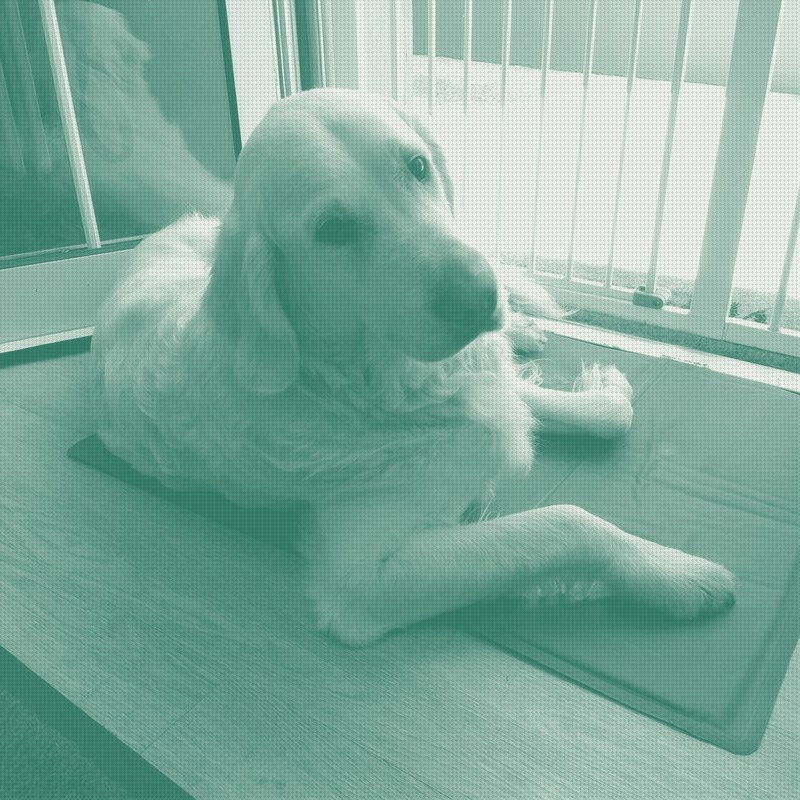
The ASPCA reports 45 dogs with suspected acrylamide poisoning tied to gel-filled consumer products, with some gel at 21 to 86 times the top of the expected range. IVC Journal's summary of the study puts deaths at 14 of 21 dogs with known outcomes. No pet-product brand has been named.

Covetrus goes live on RELEX forecasting across its distribution centers
Covetrus says it has gone live on RELEX forecasting and replenishment software across its distribution centers. The release gives no results, and it lands as Covetrus and MWI offer remedies to win FTC and state approval of their merger.
BIXBI certifies six cat kibbles days after a lead study
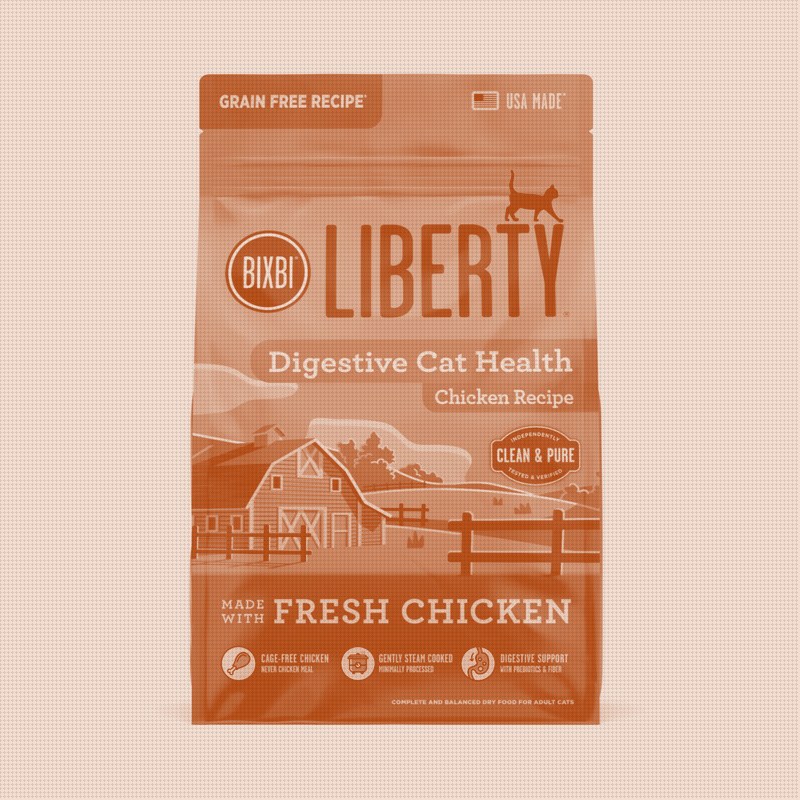
BIXBI certified six cat kibble recipes with the Clean Label Project on October 7th, 2026, five days after the nonprofit reported detectable lead in 99% of 100 cat foods. The seal is voluntary and private, and the Pet Food Institute disputes the study behind the headline.