
FCPT's $268M Closing Turns Vet Clinics Into an Institutional Asset Class
Four Corners Property Trust closed its $268 million purchase of 102 Mission Pet Health veterinary properties, setting an annual acquisition record in seven months. Institutional real estate now prices vet clinics like national restaurant chains, and practice owners should value their buildings accordingly.
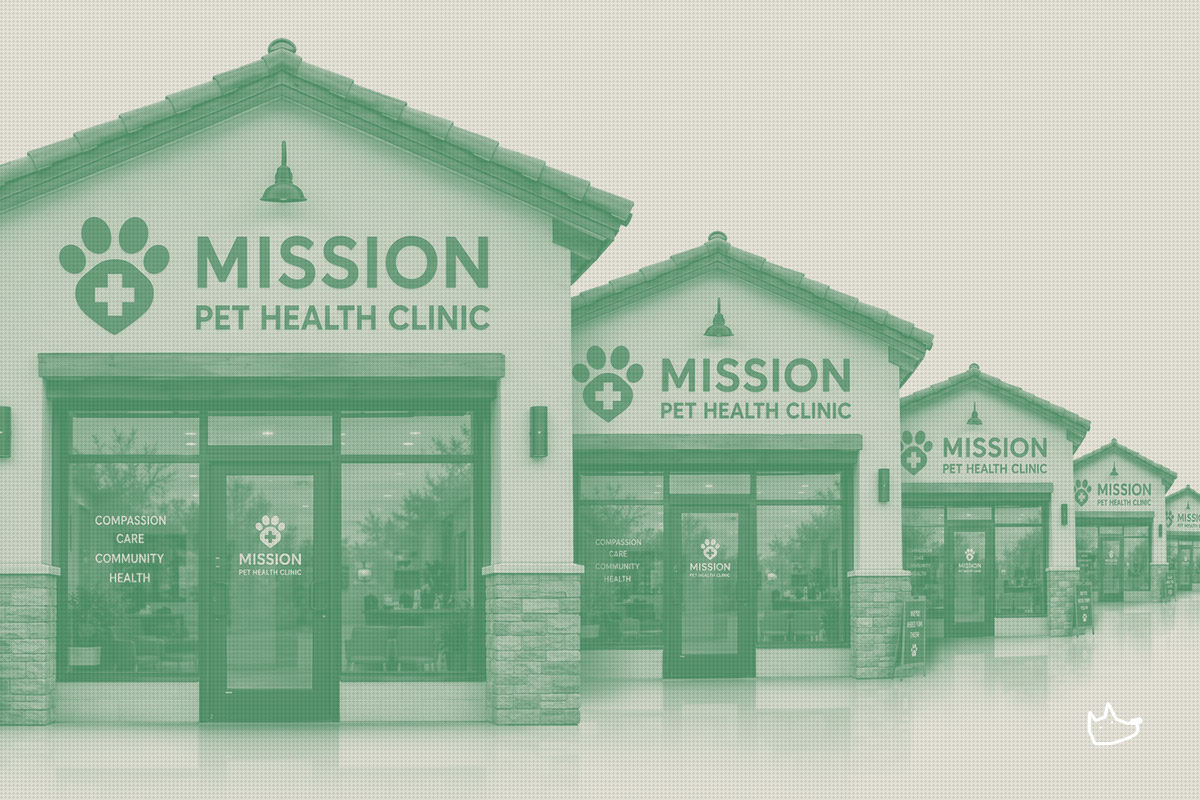
Four Corners Property Trust closed its acquisition of 102 veterinary properties leased to Mission Pet Health on July 17, completing a $268 million sale-leaseback first announced in May. The restaurant REIT now holds a record seven-month acquisition tally, and veterinary operators hold a new data point: the building under the exam room trades at a 6.6% cap rate, pricing pet care real estate like a national restaurant chain.
FCPT paid $268 million for 102 clinics at a 6.6% cap rate, capping a record seven-month buying run
The closing completes the agreement FCPT announced on May 29 to acquire up to 102 veterinary properties leased to Mission Pet Health. The portfolio carries roughly $17.37 million in cash rent over the next 12 months, including a rent credit at closing, which works out to a 6.6% weighted average capitalization rate.
The transaction brings FCPT to 139 properties acquired in 2026 for $364.3 million, excluding transaction costs, surpassing the REIT's previous full-year acquisition record with five months of the calendar remaining. "We are very pleased to complete this transaction and significantly expand our relationship with Mission Pet Health," CEO Bill Lenehan said in the announcement. "With this transaction, we have also achieved record acquisition volume in the first seven months of the year."
FCPT, spun out of Darden Restaurants in 2015, built its portfolio on net-leased Olive Garden and LongHorn Steakhouse locations. Its counterparty sits at the center of veterinary consolidation: Mission Pet Health formed when Shore Capital-backed Southern Veterinary Partners and Mission Veterinary Partners merged in late 2024, creating one of the largest veterinary organizations in the country.
Sale-leasebacks let consolidators pull cash out of buildings and put it back into buying clinics
A sale-leaseback is a capital recycling machine. Mission Pet Health held buildings; it now holds leases, and $268 million moved to the liquid side of the balance sheet, available for acquisitions, debt paydown, or distributions. For a private equity platform assembled through hundreds of practice deals, that is cheaper than new debt at current rates and less dilutive than new equity.
The more telling signal is on the buyer's side. A net-lease REIT underwrites tenants the way a lender does: durable demand, strong unit-level economics, low relocation risk. For FCPT's first decade, that meant casual dining. Making veterinary real estate its record-setting trade of 2026 says institutional capital now scores a vet clinic's cash flows as restaurant-grade or better. Pet health demand holds up in recessions, clinics rarely relocate, and a corporate guarantee from a national consolidator de-risks the paper.
Three operator takeaways follow.
1. Real estate is a separate asset. Price it separately. Practice owners weighing consolidator offers should remember that the building now trades on its own market. An offer for the practice that quietly folds in the real estate at a blended multiple leaves money on the table. A 6.6% cap rate on market rent is the benchmark to check against.
2. Rent is now a permanent line item. Clinics inside consolidator networks carry long-term leases with escalators that apply regardless of visit volumes, and industry visit counts have been soft for several years. If same-store visits keep sliding while rent steps up, the squeeze lands on practice-level margins, then on staffing and pricing decisions.
3. The consolidation flywheel has a second engine. Coverage tends to focus on clinic M&A multiples, but real estate capital quietly funds the roll-up model. With practice valuations still elevated and leverage expensive, rent-for-capital swaps are how platforms keep buying without raising new equity. Watch which one monetizes next.
Watch for the next OpCo-PropCo split, cap-rate compression, and rent loads inside consolidator P&Ls
FCPT framed the closing as an expansion of its relationship with Mission Pet Health, which reads like more tranches to come. The May agreement's "up to 102" properties are now fully closed, and the REIT has both a record and an appetite.
Three signals matter from here. First, whether other private equity-backed platforms follow: any consolidator preparing an exit can use a sale-leaseback to clean up leverage before a listing, and the platforms adding IPO-ready board members are the obvious candidates. Second, where cap rates go: if veterinary portfolios start trading inside 6.6%, owners of practice real estate get an immediate mark-up, and brokers will start cold-calling independent practice owners with PropCo pitches. Third, the rent-to-revenue ratio inside consolidator networks: it is the number that converts this financial engineering into operating reality, and it will surface in any future S-1 from the category.
For independents, the practical move is simpler: know what your building is worth on its own, because the institutions now do.
Other News
More stories shaping the pet industry this week. From funding rounds and product launches to regulatory shifts and retail strategy, stay ahead of what's driving the market.

Fera Pets launches a $49.95 weight and muscle chew for dogs
Fera Pets launched Healthy Weight & Muscles, a $49.95 soft chew for dogs sold in 90-count tubs, on October 13th, 2026. Each chew pairs myHMB, Betafin betaine and L-carnitine with ADM's PRIOME Metabolic Health postbiotic, and Fera's product page cites a study for each ingredient.

Rare Breed and Stray Project tie $4 per item to shelter dog meals
Link Snacks' Rare Breed treat brand and Denver apparel startup Stray Project launched Impossible to Ignore for National Adopt a Shelter Dog Month. The official rules commit $4.00 per item and $0.50 per email signup to Greater Good Charities through November 30th, paid by Stray Project, with signups shared by both brands.

Pets will shape travel plans for 68% of owners, Subaru survey finds
A Subaru-commissioned Talker Research survey of 2,000 pet-owning drivers, released October 13th, 2026, says 68% expect their pet to affect travel plans this year and 73% would drive instead of fly to bring the pet. New in this release, 10% may host, 10% may shorten a trip and 8% may skip gatherings. In our view, the trip-length and planning numbers are the ones sitters and kennels can use.