
Same-Diagnosis Vet Bills Can Vary 20x, Embrace Data Shows
Embrace Pet Insurance's Q2 claims report shows treatment costs for identical diagnoses swinging by 20x or more, from a few hundred dollars to over $15,000. The variance complicates flat-rate pricing for insurers and wellness plans built around an "average" vet bill, in a market where fewer than 4% of U.S. pets carry coverage.
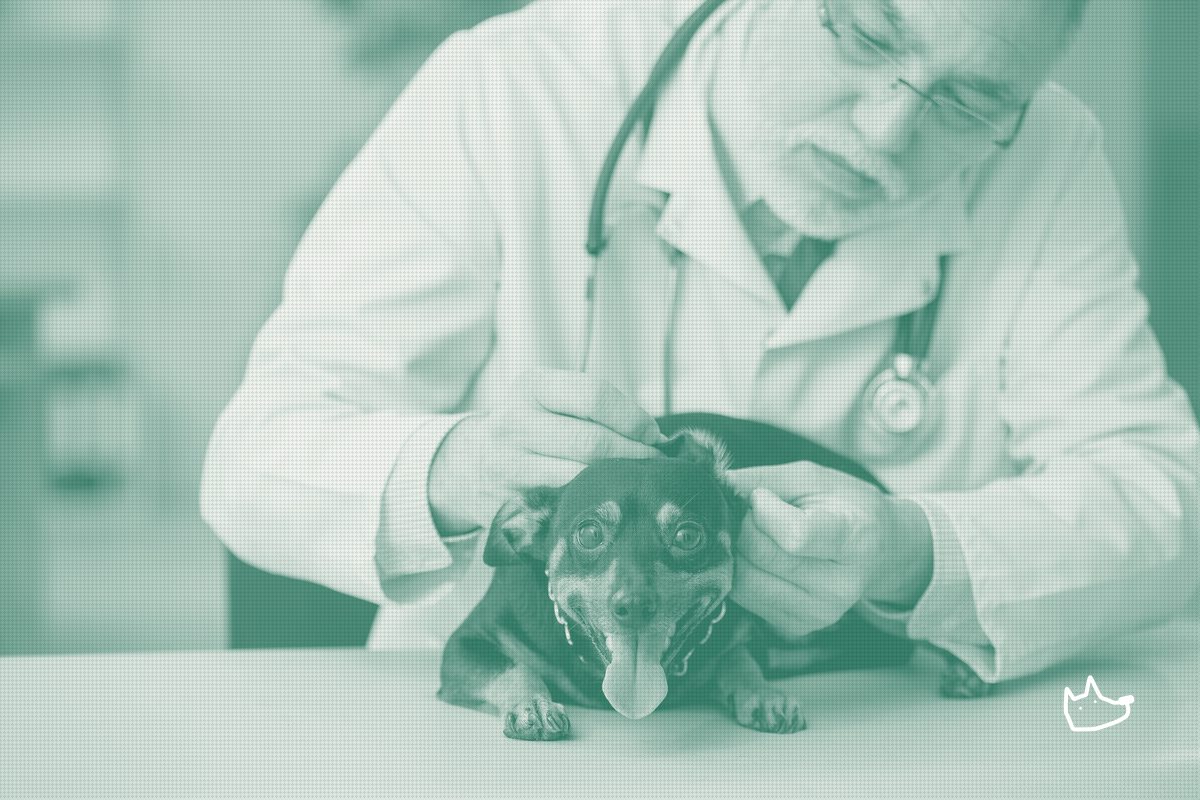
Embrace's Q2 data show a 20x range in vet bills
A torn ligament in a dog's knee can cost an owner a few hundred dollars, or more than $15,000. Same diagnosis, same species, wildly different bill.
Embrace Pet Insurance put numbers on that unpredictability on Tuesday, releasing claims data drawn from its book of business for the quarter ending June 30th. The average claim reached $432, up 6.9% from $404 a year earlier. The median claim, less skewed by outliers, rose 5% to $183. Embrace paid out $62.9 million in reimbursements over the quarter and has processed 7.5 million claims since it sold its first policy in 2006.
The spread inside individual diagnoses is the real story. Vomiting claims averaged $587 but ranged into five figures, up to $11,310. Lameness averaged $453 and topped $13,000 in the worst cases.
A torn cranial cruciate ligament, the canine equivalent of an ACL tear, averaged $1,436 and reached nearly $15,000. Diarrhea, by contrast, averaged just $222, though even that ordinary complaint peaked at $5,846 in one case.
Year over year, cruciate ligament tears saw the steepest jump among the twenty most common diagnoses, up $54 on average, followed by vomiting and diabetes. The single largest claim in company history, $40,517, went to a small mixed-breed dog with a heart condition; a dog bite injury reached $30,739, and a heat stroke case reached $29,897.
Dr. Liza Cahn, a veterinary consultant who worked on the report, put it plainly: something as common as vomiting or a limp "can have many different causes, and you often don't know what you're dealing with until a veterinarian examines the pet." Embrace president Scott Stice framed the numbers as more than statistics: "This quarter's numbers represent real pets and real families trying to do what's best for them."
Embrace has been underwriting that unpredictability since 2003, when it won a Wharton business plan competition with the idea. It has run through American Modern Insurance Group, a Munich Re subsidiary, as its underwriter since 2012.
Why cost variance breaks flat-rate insurance pricing
An insurer that prices a policy around an average claim is pricing around a number almost no actual claim resembles. A $587 average for vomiting is nearly meaningless to a family staring at an $11,310 bill for the same symptom, and it's just as meaningless to an actuary trying to set a premium that covers both outcomes without overcharging everyone else.
That's the tension underneath a wave of pet insurance product moves this year. Pumpkin unbundled its wellness perks from its core insurance policy rather than pricing wellness and unpredictable illness risk into a single number.
JAB folded its sprawling pet-insurance portfolio into one brand, Doubtless, a move that only makes sense if the underlying goal is more claims data feeding one pricing engine, rather than several smaller books each guessing independently.
A wave of distribution hires points the same direction. Adoro's push to fix pet insurance's distribution problem is really a bet that growth in a category this variable depends on getting more pets, and more claims history, into the pool before pricing gets more precise.
Variance this wide also explains why per-diagnosis products keep showing up. If a lameness claim can land anywhere between a routine exam and a $13,000 surgery, a flat monthly premium is a blunt instrument.
Underwriters that segment risk by breed, age, and prior claims history, rather than by diagnosis category alone, hold a real pricing edge over competitors still averaging their way to a premium.
The variance cuts into a business model outside insurance entirely, too. Veterinary financing and buy-now-pay-later products are built for exactly the family staring down an unplanned five-figure bill.
The bigger the gap between the typical and worst-case cost of a common ailment, the bigger the market for a product that smooths that gap, insurance or otherwise.
None of this is unique to Embrace. Every insurer in the category sits on the same kind of claims data and draws similar conclusions.
What Embrace has done is publish the numbers publicly. That makes the case for underwriting sophistication harder for the rest of the category to wave off.
The pricing shift this data could accelerate
Look for insurers to lean harder into per-condition pricing and tighter underwriting tiers, rather than the single flat-rate policy that has defined the category for two decades.
The data makes the case explicitly, and a public report from a name-brand insurer gives smaller competitors cover to follow.
Purina and Ohio State's litter box health-monitoring study is aimed at catching disease before it reaches the expensive end of a cost range like the ones Embrace just published.
If monitoring tech shifts a diagnosis from late-stage surgery to early-stage medication, it compresses the variance insurers price around. That is a direct commercial incentive for insurers to subsidize or bundle monitoring hardware rather than treat it as a separate product category.
The bigger backdrop is a market still mostly untapped. Fewer than 4% of U.S. dogs and cats carry any pet insurance coverage, even after premium growth that topped 20% annually between 2020 and 2024.
Cost unpredictability like the numbers Embrace just published is one of the more persuasive sales pitches the category has. It is also one of its hardest underwriting problems, and expect the next round of pet insurance launches to lead with exactly that pitch.
Other News
More stories shaping the pet industry this week. From funding rounds and product launches to regulatory shifts and retail strategy, stay ahead of what's driving the market.

Fera Pets launches a $49.95 weight and muscle chew for dogs
Fera Pets launched Healthy Weight & Muscles, a $49.95 soft chew for dogs sold in 90-count tubs, on October 13th, 2026. Each chew pairs myHMB, Betafin betaine and L-carnitine with ADM's PRIOME Metabolic Health postbiotic, and Fera's product page cites a study for each ingredient.

Rare Breed and Stray Project tie $4 per item to shelter dog meals
Link Snacks' Rare Breed treat brand and Denver apparel startup Stray Project launched Impossible to Ignore for National Adopt a Shelter Dog Month. The official rules commit $4.00 per item and $0.50 per email signup to Greater Good Charities through November 30th, paid by Stray Project, with signups shared by both brands.

Pets will shape travel plans for 68% of owners, Subaru survey finds
A Subaru-commissioned Talker Research survey of 2,000 pet-owning drivers, released October 13th, 2026, says 68% expect their pet to affect travel plans this year and 73% would drive instead of fly to bring the pet. New in this release, 10% may host, 10% may shorten a trip and 8% may skip gatherings. In our view, the trip-length and planning numbers are the ones sitters and kennels can use.