Mars plans $1.4B U.S. investment for 2027, with $49M for Temptations treats
Mars plans to invest an estimated $1.4 billion in U.S. manufacturing and operations in 2027. Pet care projects include $49 million for Temptations Lickable Treats in Columbus, Ohio, and $34 million for four new BluePearl and Banfield hospitals.

Mars plans to invest an estimated $1.4 billion in its U.S. manufacturing and operations in 2027, which the company said is the most it has invested in a single year. Two pet projects sit inside that total: $49 million to bring Temptations Lickable Treats production to Columbus, Ohio, and $34 million for four new BluePearl and Banfield pet hospitals.
Mars, Incorporated is a family-owned company based in McLean, Virginia. It reports combined Mars and Kellanova 2025 net sales of more than $65 billion and said it has invested more than $9 billion in U.S. manufacturing and operations since 2017. It employs 80,000 U.S. associates across more than 60 factories, research labs and offices, plus over 2,000 veterinary clinics and hospitals.
Two pet projects sit inside the $1.4 billion plan
The Columbus project is a $49 million upgrade at Mars's wet pet food facility. It adds modern mixing and filling equipment and creates capacity for more than 400 million Temptations Lickable Treat pouches a year. Mars said it has put a total of $162 million into the site since 2022.
Walmart's listing for a 16-pack of Temptations Creamy Puree With Salmon shows $8.98 for 0.42-ounce pouches, or $1.34 an ounce. By our math, 400 million pouches at that per-pouch price would be about $225 million at retail, before promotions or channel margins.
The hospital project covers three BluePearl pet hospitals in Ellicott City, Maryland, and in Austin and Katy, Texas, plus a Banfield pet hospital in Wilmington, North Carolina. Mars said it will invest more than $34 million to open them early next year, and that the sites unlock up to 195 new jobs.
"Ninety-four percent of the Mars products sold in the U.S. are made here, reflecting decades of investment in our people, operations and the communities in which we do business," said Claus Aagaard, CFO of Mars, Incorporated.
The pet projects are a small slice of the total
By our math, the $49 million and $34 million add up to $83 million, or about 5.9% of the $1.4 billion. The other projects Mars named in the release are in snacking: $60 million for two Trü Frü lines in Salt Lake City and $165 million of spending since 2024 at the Waco, Texas, plant that makes Snickers, Starburst and Skittles. Mars said the capital serves as an accelerator for its growing snacking brands and also modernizes facilities it has run for generations.
Mars has been building in Ohio for pet food already. Its earlier $2 billion U.S. commitment through 2026 included a $450 million Royal Canin dry pet food plant in Lewisburg, Ohio, with 270 new jobs. ESM Magazine reported that Mars calls the site the largest dry pet food factory globally for the brand. Columbus adds a wet-treat line to that Ohio footprint.
Rivals are spending in the same category. Purina opened a $550 million dry food factory in Batavia, Ohio, covered in our report on the Purina Ohio factory, and has a $644 million wet food plant in Italy, covered in our report on the Mantova plant. The Purina Italy plant serves a European market, while the Batavia plant makes dry food for dogs and cats.
Hospitals open early next year and treat capacity follows
The changes land on different groups. Veterinary groups hiring in Austin, Katy, Ellicott City and Wilmington will see a new Mars-owned employer, and the 195-job figure is Mars's own ceiling, stated as "up to." Retail buyers and rival lickable cat treat makers are the audience for Columbus, because U.S. production changes where the pouches ship from.
Mars said the four hospitals open early next year. For Temptations Lickable Treats, the line is the newest piece of a Columbus site where Mars has invested $162 million since 2022.
Other News
More stories shaping the pet industry this week. From funding rounds and product launches to regulatory shifts and retail strategy, stay ahead of what's driving the market.

FTC and 13 states sue to block Covetrus's $3.5B MWI deal
The FTC and 13 state attorneys general sued to block Covetrus's $3.5B purchase of MWI Veterinary Supply, and Covetrus says it will defend the deal in court.
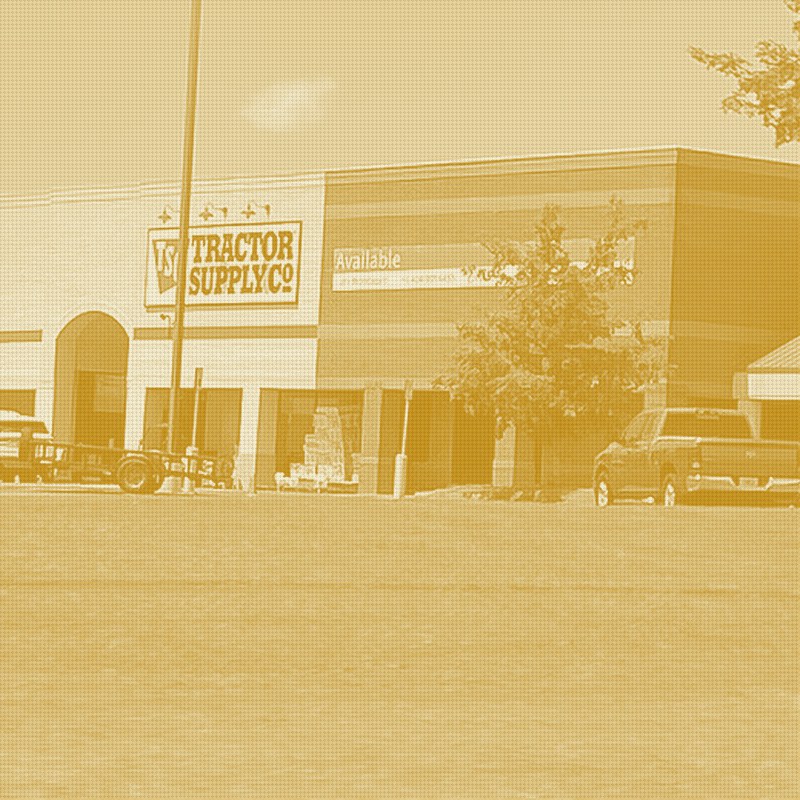
Tractor Supply adds Uber Eats delivery at nearly 2,500 stores
Nearly 2,500 Tractor Supply stores are now orderable through the Uber, Uber Eats and Postmates apps, with pet food and animal care in the assortment. It is the chain's second delivery marketplace after Instacart, and Petco and Pet Supplies Plus already list on delivery apps.

Corbion, MPM and Open Farm win twice at new pet sustainability awards
Corbion, MPM Products and Open Farm each won twice among 17 companies honored in the Pet Sustainability Coalition's first Worldwide awards, open only to accredited members.