Purina's Cat Portfolio Is Carrying Nestle's Pet Care Growth, Again
Nestle's PetCare division grew 2.7 percent organically in H1 2026, trailing the group average, as premium cat food carried performance while dog lagged and margins slipped 30 basis points. It's a signal the pandemic-era pet food growth engine is normalizing into a tougher, share-driven fight.

Nestle's PetCare division posted 2.7 percent organic sales growth in the first half of 2026, reaching 8.933 billion Swiss francs, with premium wet cat food and e-commerce doing most of the lifting while margins slipped slightly. It's a smaller deceleration than a dramatic headline number, but for a category that's been one of Nestle's most reliable growth engines for years, even modest softening alongside margin compression is worth an operator's attention.
PetCare grew slower than the group average, and margins gave up ground
Nestle's group-wide first-half 2026 sales came in at 43.109 billion Swiss francs, with organic growth of 3.6 percent and real internal growth of 1.5 percent. PetCare, the segment that houses Purina, grew slower than that group average: 8.933 billion Swiss francs in sales, organic growth of 2.7 percent, real internal growth of 1.8 percent, and a pricing contribution of just 0.9 percent. Underlying trading operating profit margin for the segment came in at 21.8 percent, down 30 basis points year over year. The second quarter alone showed organic growth of 2.8 percent, real internal growth of 2.0 percent, and pricing of 0.8 percent. Nestle's commentary pointed to continued strength in cat, with dog improving in the second quarter, and credited brands including Pro Plan, Purina ONE and Felix, particularly premium wet cat products and robust e-commerce performance across regions. Chief executive Philipp Navratil said the company's real-internal-growth-led strategy is delivering across the group, citing overall second-quarter organic growth of 3.7 percent and real internal growth of 1.8 percent, figures that describe Nestle as a whole rather than PetCare specifically.
Cat strength is masking a slower story in dog, and pricing power is fading
Growth trailing the group average is the detail worth sitting with. PetCare used to be Nestle's standout division, posting the kind of growth other categories envied during the pandemic-era pet ownership boom. That growth has been normalizing for a while as the industry-wide surge in pet acquisition cools and consumers pull back on discretionary premium spend, and this quarter's numbers are another data point in that trend rather than a new one. More telling is the split between real internal growth and pricing: 1.8 percent versus 0.9 percent means the growth Purina is generating now comes mostly from volume and mix, not from price increases. That's a meaningful shift from 2022 through 2024, when pricing power did much of the work offsetting input cost inflation across the pet food industry. Having largely exhausted that lever, Purina now has to compete more on volume, which is harder to win and shows up directly in the 30 basis point margin decline. Cat's outperformance relative to dog tracks a broader pattern showing up across the industry: smaller households and continued urbanization have made cat ownership the faster-growing side of pet acquisition in several developed markets, while dog categories face more competition from fresh and direct-to-consumer entrants along with growing private label share at retail. For competitors, whether other pet food majors or independent premium brands, the read isn't that Purina is weak. It's that the category's biggest player is now fighting for share in a maturing market rather than riding a rising tide, which tends to bring sharper promotional activity and tighter category segmentation industry-wide.
Nestle's own investor commentary leaned on the phrase "RIG-led growth strategy" to describe the quarter, which is a tell in itself. A volume-led growth story generally reflects a deliberate strategic choice to defend and grow share when pricing has stopped doing the work, and PetCare rarely gets flagged as a segment needing that kind of defense. It's a shift worth registering for any brand competing with Purina at retail, since a Purina fighting on volume typically means more promotional intensity, more retail media spend, and tighter shelf competition than a Purina simply raising prices and collecting the difference. Independent and premium challenger brands that have spent the past few years positioning against Purina's pricing should expect that gap to compress as Purina increasingly optimizes for volume growth rather than price realization.
The next checkpoint is whether dog momentum holds through the back half
The next checkpoint is whether the improving dog trend Nestle flagged for the second quarter holds through the back half of the year, or whether it was a single-quarter blip. Watch for margin trajectory in the next report given that pricing power has faded, and watch how competitors respond as Purina leans more on volume and e-commerce growth than on price. Nestle's next quarterly update will be the clearest test of whether PetCare's deceleration is a brief plateau or the start of a longer normalization for the category's largest player.
Source: Nestle Half-Year Results 2026
Other News
More stories shaping the pet industry this week. From funding rounds and product launches to regulatory shifts and retail strategy, stay ahead of what's driving the market.

Instinct Science's New AI Bets Proprietary Content Beats ChatGPT
Instinct Science launched Attending, a clinical AI assistant that answers veterinarians' questions using only its own peer-reviewed content, including Plumb's Veterinary Drugs and Clinician's Brief. The tool is in an invitation-only preview ahead of a public showcase at IVECCS this month. It's a bet that proprietary clinical content is worth more as an AI moat than as a subscription business alone.
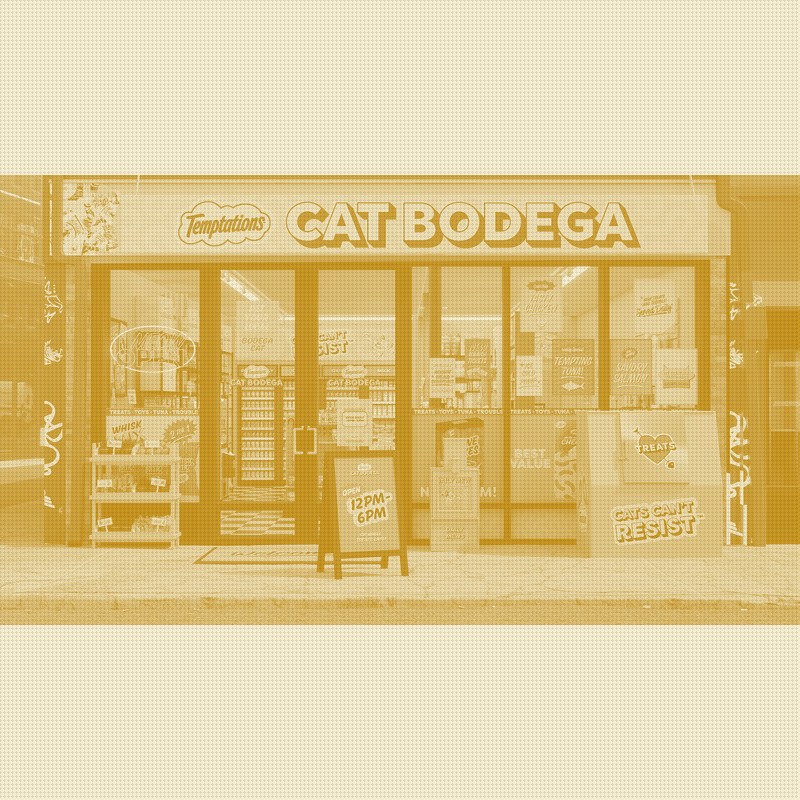
Temptations Opens a Cat Bodega to Buy Attention, Not Shelf Space
Temptations, Mars's top-selling cat treat brand, opened a free three-day pop-up in Manhattan built around the internet's love of bodega cats. The experiential play signals how a category leader spends on earned attention once shelf space and distribution are already won.

Can Your Dog's DNA Really Explain Its Behavior? Embark Bets $39 On It
Embark launched a $39 Behavior Insights upgrade pairing genetic markers with a year of Dogo training, extending its DNA-test business into recurring engagement. The science behind predicting individual dog behavior from genetics remains unsettled, per a November 2025 UMass Chan study.