Salmonella Recall Hits a Raw Dog Food Brand That Hadn't Had One Since 2015
Oma's Pride is recalling 639 bags of frozen raw chicken dog food across 11 states after testing found Salmonella in a single lot, the family-owned brand's first FDA recall since 2015. The event adds to a rough 2026 for raw and frozen pet food safety, where two of the year's three tracked pathogen recalls already involved the category.
Eleven states, one contaminated lot, and a food-safety record that had held for more than a decade — until this week. Oma's Pride, the fourth-generation family business behind Miller Foods, is recalling frozen raw chicken dog food after testing turned up Salmonella, the company's first FDA recall since 2015.
Oma's Pride recalls 639 bags of raw chicken dog food
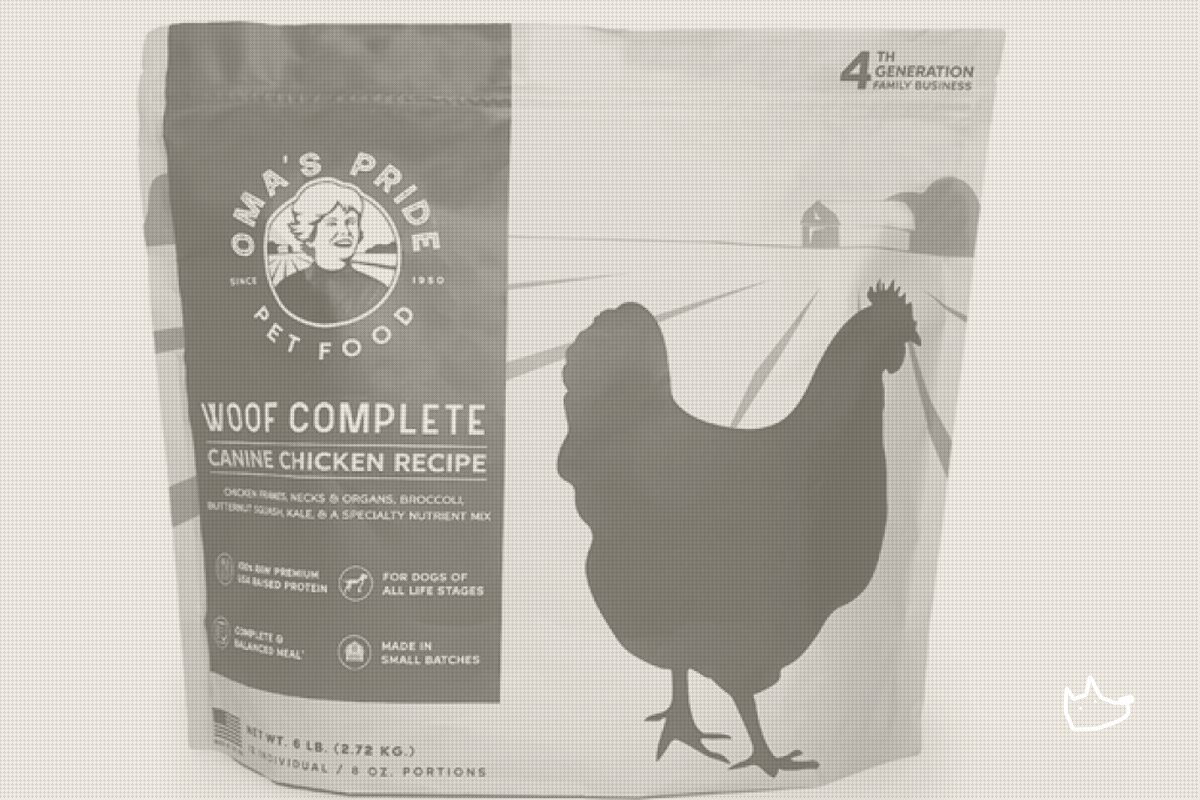
The recalled product is Woof Complete Canine Chicken Recipe, sold in 6-pound bags under lot BB012729, manufactured January 27, 2026, with a best-by date three years out. The Food and Drug Administration notice, posted August 12, lists 639 bags shipped to retail accounts, wholesale accounts, and direct-to-consumer orders across Arizona, California, Indiana, Kentucky, Louisiana, Maryland, Nevada, New Jersey, New York, Pennsylvania, and Virginia.
Spread evenly, that works out to roughly 58 bags per state, a small enough footprint that this reads as a single-lot contamination event rather than a systemic production failure. Oma's Pride says it is still investigating how the pathogen got into that batch and is offering refunds to affected customers.
No illnesses had been reported as of the recall notice. The company has not disclosed how the contamination was caught, whether through routine internal testing, a retailer complaint, or a regulator's own sampling program, a gap that matters because it determines whether Oma's Pride found this itself or got caught.
The three-channel distribution mix named in the notice, retail, wholesale, and direct-to-consumer, is worth noting on its own. A single contaminated lot moving through all three at once means the cleanup touches a grocery buyer's shelf, a distributor's warehouse, and a customer's freezer simultaneously, with three different reverse-logistics processes running at the same time off one root cause.
What repeat contamination risk means for raw feeding brands
The timing lands on a category that has spent 2026 fielding one safety scare after another. Two of the three pathogen-linked pet food recalls tracked through mid-year by industry data at NextBeam involved raw or frozen dog food, not the shelf-stable kibble that still dominates the category. Raw feeding brands built their pitch on freshness and minimal processing beating out heat-treated kibble on nutrition. Every recall complicates that pitch, because the same lack of a kill step that raw advocates frame as a nutritional advantage is exactly what makes contamination harder to catch before it ships.
Oma's Pride has largely avoided that exposure until now. Its last FDA recall, a Salmonella finding in a feline poultry product, dates to January 2015, more than a decade with a clean regulatory record while newer entrants push into raw with far less operating history to draw confidence from. A single-lot event from a company with that track record is a different signal than the same event from a brand three years into the category. It suggests contamination risk in raw is closer to a persistent operating cost than a maturity problem that better-funded, newer players will simply engineer away.
For retailers and insurers underwriting raw feeding's growth, that is the harder read. It also lands close behind a separate reminder this year that recalls do not stay confined to food. A veterinary drug shortage triggered by a manufacturing recall showed how one contamination finding can strip an entire product category of its only approved option, and pet food makers leaning on small-batch, USDA-kitchen positioning face the same brittleness if a single line goes down.
Raw feeding's economics were already tighter than kibble's before this. Cold-chain shipping, small-batch production runs, and shorter shelf lives push per-unit costs well above dry food, and a recall adds destroyed inventory, refund processing, and testing costs on top of margins that had little room to absorb them. A retailer weighing whether to keep a raw SKU on a limited freezer shelf now has to price in recall frequency, not just sell-through, when the category has already produced three pathogen recalls this year on a base far smaller than kibble's.
The lot-level questions still unanswered by regulators
The FDA has not yet assigned this recall a classification tier, the rating that signals how seriously the agency weighs the health risk once its review is complete. That designation matters beyond optics: a Class I finding, reserved for a reasonable probability of serious health consequences, invites more retailer scrutiny and faster delisting decisions than a lower tier.
Whether the agency expands the recall beyond the single lot is the more immediate question. Raaw Energy's dog food advisory earlier this year started as a narrower warning and grew to cover eight lots once the company's own investigation widened, a precedent worth watching if Oma's Pride's testing turns up contamination beyond BB012729. Also open: whether the company identifies a contamination source at its Avon, Connecticut kitchen, which would determine if this stays a one-time event or forces changes to how the facility handles raw poultry.
Watch also for whether other raw or frozen brands follow the safety-dossier route some newer entrants have used to get ahead of exactly this kind of scrutiny, publishing testing protocols before a recall forces the question. A category built on trust in "hand-crafted" small-batch claims has an incentive to make that trust checkable rather than asserted, and the brands that move first on disclosure stand to gain the most credibility relative to the next recall headline.
Source: Oma's Pride via FDA
Other News
More stories shaping the pet industry this week. From funding rounds and product launches to regulatory shifts and retail strategy, stay ahead of what's driving the market.

GoodVets Buys WellHaven's 40 Hospitals, Ending Its De Novo-Only Era
GoodVets is acquiring WellHaven Pet Health's network of more than 40 hospitals, growing its footprint from 75 to 116 locations. The deal marks a shift from the de novo strategy that defined the General Atlantic-backed platform's first decade toward the acquisition-led growth every other scaled vet consolidator already runs on.
Dechra's Oral Cancer Pill Targets the Dogs Chemo Never Reaches
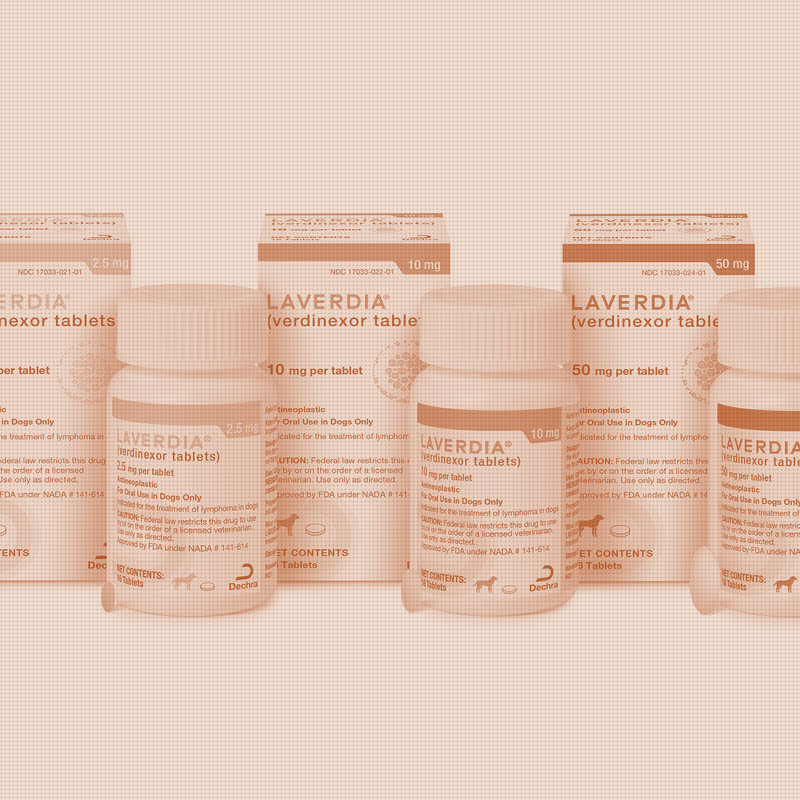
Dechra is commercially launching Laverdia, the first FDA-approved oral treatment for canine lymphoma, developed by Anivive and licensed to Dechra in 2022. The bet isn't on winning cases from oncology referral networks, but on treating the roughly 80% of diagnosed dogs who currently get no chemotherapy at all.

PetMeds Names New CEO, Rebuilds Board Amid Takeover Fight
PetMeds named Jeff Willard as its next CEO and added two new independent directors, including a Shake Shack executive as board chair, while a $3-a-share takeover bid from SilverCape Investments remains unanswered since June. None of the three new leaders has prior ties to the company, a signal the board is building outside credibility for whatever comes next.