
Patterson's Atlas Makes Three Vet-Software AI Launches in a Week
Patterson Veterinary launched Atlas, an AI assistant built into its NaVetor practice-management software, on September 15th. It's the third AI product veterinary-software vendors have introduced in six days, following Instinct Science's Attending and IDEXX's acquisition of CoVetAI. The launches suggest AI features are becoming a baseline expectation for practice-management platforms rather than a differentiator.
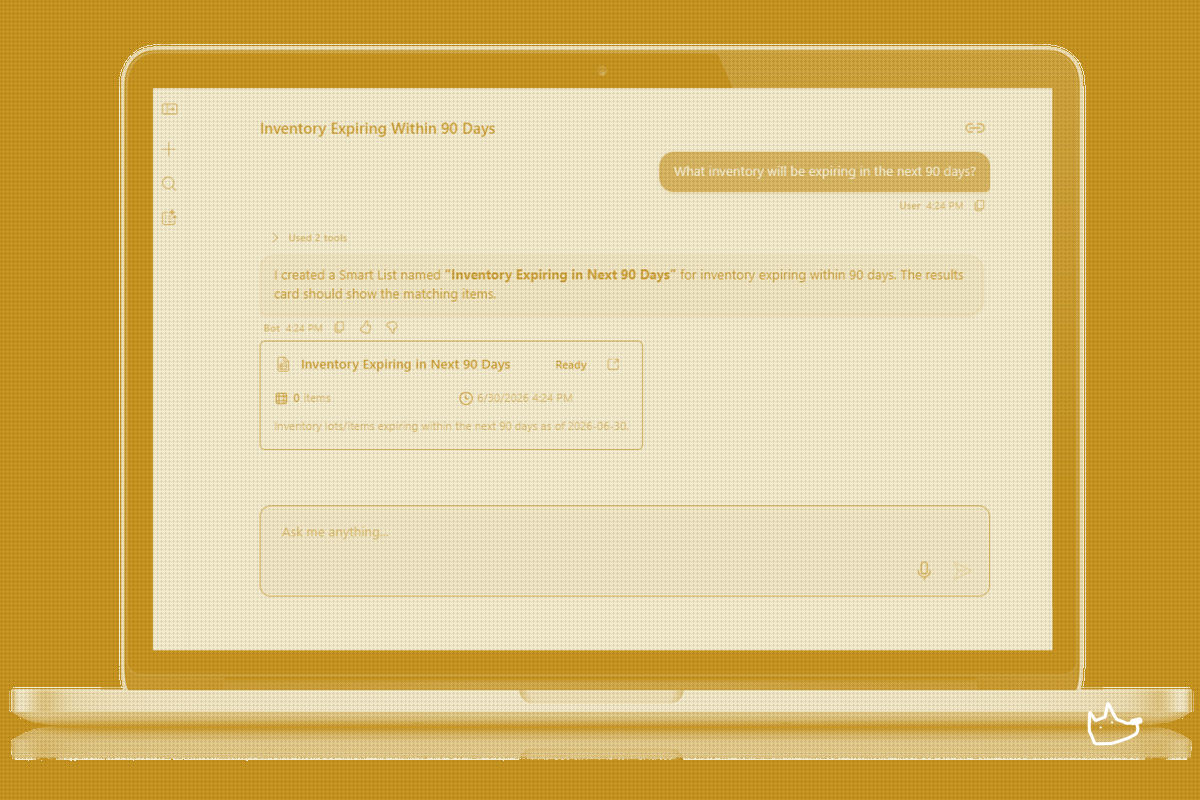
Three different veterinary practice-management platforms have shipped an AI assistant since September 10th, 2026, and none of them are chasing the same job first.
Patterson Veterinary's entry, called Atlas, arrived on September 15th inside its NaVetor cloud software, built to answer questions about a clinic's scheduling, inventory, and revenue in plain language. That's a different job than either of its two newly announced rivals picked, and the divergence says more about the market than the launch does.
Patterson launches Atlas AI inside NaVetor software
Patterson Veterinary introduced Atlas on September 15th, 2026, an AI assistant built into its NaVetor cloud practice-management platform.
Practices can ask Atlas plain-language questions about overdue treatments, open appointment slots, controlled-substance counts, or which invoices are lagging, instead of pulling separate reports. The assistant also drafts and translates client messages and summarizes conversations.
Patterson is selling it two ways. Built into NaVetor at no separately disclosed price, or as a standalone tool for practices running a different practice-management system.
Christal Hahn, Patterson Veterinary's director of commercial software, framed the release as solving a data-access problem, not a documentation one: "Veterinary practices have tremendous amounts of valuable information within their software, but getting meaningful answers from that data can take time and effort."
Patterson has been building toward this since January, when it took full ownership of NaVetor from what had been a joint venture and said it would add AI-powered workflow support during 2026. Atlas is that promise, arriving eight months later.
Patterson Veterinary sits inside Patterson Companies, a publicly traded distributor that supplies equipment, consumables, and software to veterinary and dental practices across North America. Software is a small piece of that business next to distribution, but it's the piece that determines which platform a clinic logs into every day, and Atlas is a bid to make that login harder to leave.
Why AI is becoming vet software's new battleground
Atlas is the third AI layer added to veterinary practice software in six days. Instinct Science announced its own assistant, Attending, on September 10th, a clinical tool built on the company's proprietary content rather than a general-purpose model. On September 16th, IDEXX said it was acquiring CoVetAI, an ambient-listening scribe that transcribes and organizes exam-room conversations, folding that capability into its own software stack.
Three vendors, three different jobs. Instinct Science is chasing clinical judgment. IDEXX now owns exam-room transcription. Patterson is going after the back office: scheduling, inventory, and the business-intelligence questions a practice manager currently has to dig for.
None of them compete head-on yet, which suggests the category hasn't settled on what "AI practice management" even means. It also means a practice's AI feature set gets decided by whichever platform it already runs, not by which specific product tests best.
That matters because switching costs in veterinary software are high. Covetrus's VetSuite crossed 4,000 member practices this year, evidence that once a clinic commits to a PIMS ecosystem, it tends to stay inside it. Nearly 40% of veterinary professionals were already using some AI tool in 2024, per Digitail's adoption survey, so the fight isn't about proving AI belongs in the clinic anymore. It's about which incumbent gets credit for supplying it.
For a practice owner, the calculation has shifted. Buying a standalone AI tool used to mean a separate vendor relationship and a separate login. Now three of the largest practice-management providers are folding the feature into software already being paid for, raising the bar for any AI-only startup trying to sell into a clinic that already runs NaVetor, Cornerstone, or VetSuite.
The urgency behind all three launches traces back to a labor problem, not a software one. The American Veterinary Medical Association has reported that unemployment among veterinarians sits near zero, and its research points to administrative burden, not pay, as the leading reason vets consider leaving the field. Software that trims report-pulling and message-drafting time is a direct answer to a staffing shortage that hiring alone can't fix.
What decides which AI assistant vets actually keep
None of the three launches have disclosed usage numbers, so adoption is the real test. These tools live or die on accuracy, in categories where the software vendor has no head start over a standalone AI competitor.
Pricing is the other open question. Patterson hasn't said whether Atlas costs extra on top of a NaVetor subscription, and IDEXX hasn't detailed how CoVetAI's existing users get folded into its contracts. Whichever vendor treats AI as a genuine value-add rather than an upsell is likely to see faster adoption inside its own installed base.
Look for the next signal to come from the vendors still filling out their own answer. Covetrus already has one: Covetrus AI, an ambient-scribing and visit-summary layer built into its Pulse platform. Vetsource has not announced a comparable clinical assistant. A fourth or fifth entrant, or an acquisition of one of the smaller AI-native vet startups, would confirm this has become a checklist item every practice-management vendor needs, not a feature only a few chased early.
There's also a data question, though it applies unevenly. Atlas and CoVetAI both work by reading a practice's own records, becoming bigger custodians of client and patient data than either company was a year ago. Attending is built differently: it answers clinical questions from peer-reviewed veterinary literature like Plumb's, not a practice's patient files, so the custodian question doesn't apply to it. Patterson says Atlas data stays inside the practice and is never shared externally. CoVet's privacy policy addresses how data is processed to deliver the service but doesn't say whether it's later used to train the underlying models, the kind of detail practice owners will start asking about once the novelty of the launch wears off.
Other News
More stories shaping the pet industry this week. From funding rounds and product launches to regulatory shifts and retail strategy, stay ahead of what's driving the market.
GoodVets Buys WellHaven's 40 Hospitals, Ending Its De Novo-Only Era
GoodVets is acquiring WellHaven Pet Health's network of more than 40 hospitals, growing its footprint from 75 to 116 locations. The deal marks a shift from the de novo strategy that defined the General Atlantic-backed platform's first decade toward the acquisition-led growth every other scaled vet consolidator already runs on.

Dechra's Oral Cancer Pill Targets the Dogs Chemo Never Reaches
Dechra is commercially launching Laverdia, the first FDA-approved oral treatment for canine lymphoma, developed by Anivive and licensed to Dechra in 2022. The bet isn't on winning cases from oncology referral networks, but on treating the roughly 80% of diagnosed dogs who currently get no chemotherapy at all.

PetMeds Names New CEO, Rebuilds Board Amid Takeover Fight
PetMeds named Jeff Willard as its next CEO and added two new independent directors, including a Shake Shack executive as board chair, while a $3-a-share takeover bid from SilverCape Investments remains unanswered since June. None of the three new leaders has prior ties to the company, a signal the board is building outside credibility for whatever comes next.