
Pet Owners Now Weigh Retirement Against Vet Bills, Survey Finds
A new Spot Pet Insurance survey of 3,600 U.S. pet owners finds 42% would delay retirement over vet care and 75% would reject a pet-restrictive home. The data hands financial-services and real estate operators a number to build around.

Two in five pet owners would delay retirement by 2 to 5 years rather than scale back their pet's veterinary care. That's the standout finding in a new survey of 3,600 U.S. dog and cat owners commissioned by Spot Pet Insurance, which argues pet ownership has moved from a household expense line to a life-organizing decision: where people live, who they date, and how long they keep working.
Survey ties pet ownership to housing and retirement choices
Spot Pet Insurance polled 3,600 U.S. dog and cat owners, ages 18 to 64, in August 2026, using the survey platform Pollfish. The Spot Pet Insurance findings, published September 15th, 2026, describe pet ownership as a factor that now competes with, and sometimes beats, conventional life-planning priorities.
On housing, 58% said their pet's needs carried equal weight to their own when picking their current home, and 10% called their pet the single deciding factor. Three-quarters said they'd walk away from an otherwise ideal home if it restricted their pet's breed or weight. Only 4% said they'd consider rehoming the pet instead.
On relationships, 83% said they'd take seriously a new partner's negative reaction to their pet, and 23% called it an immediate dealbreaker. Just over half, 53%, said they'd treat a partner's existing pet's major medical bills as shared financial responsibility.
On money, 42% would delay retirement by 2 to 5 years to afford premium veterinary care, and 41% plan to set aside funds or property for their pet in their estate planning. Thirteen percent said pet provision would take priority over leaving assets to extended family.
On lifestyle, 53% said they plan travel exclusively around their pet or pay premium rates for pet-friendly accommodations. Asked about more speculative options, 85% rejected pet DNA cloning even at an accessible price, while 59% said they'd consider paying for therapies aimed at extending a pet's lifespan.
Steven Gilliam, general manager at Spot Pet Insurance, framed it as an escalation from the company's earlier research: "Earlier this year, our first survey found that vet bills alone were already reshaping household budgets, careers and relationships. This survey shows something bigger. It's not just the bills, it's pet ownership itself that's shaping some of life's biggest decisions."
Full results are available in Spot's report.
The financial case for treating pets as dependents
Surveys commissioned by pet-industry vendors deserve a discount rate. Spot sells insurance, and data showing pets drive big financial decisions doubles as a pitch for why pet owners need financial protection. But the specific numbers line up with a trend that's shown up elsewhere in the pet economy, owners increasingly budget for pets the way they budget for people, not possessions.
Two operator implications stand out. First, "pet-friendly" is no longer a soft amenity for landlords, lenders, and employers competing for a customer's spend. It's a financial decision with a documented willingness to pay attached. A landlord who caps breed or weight is filtering out three-quarters of prospective tenants with strong housing criteria before price ever enters the conversation. A lender or benefits provider who treats pet care as a rounding error is ignoring a cohort that will delay retirement over it.
Second, the insurance and financial-services companies already building around "pet as dependent" positioning are reading numbers like this correctly. Pumpkin has spent the year unbundling wellness perks from its core insurance policy to capture spend beyond the vet visit, and Odie Pet Insurance's recent hire to run growth signals the category still believes there's real share left to win from competitors. Both bets assume the willingness to pay Spot just measured directly. So does the roll-up logic behind JAB's decision to fold its pet-insurance brands into a single company, Doubtless: a private equity owner doesn't consolidate a category it thinks is close to maxed out.
The retirement-delay number is the one worth sitting with longest. Two in five respondents would rather work 2 to 5 extra years than reduce a pet's care. That is not a rounding error in a household budget. It's a labor-force and retirement-planning input that financial advisors, employers, and insurers have mostly treated as anecdote rather than data. A single, vendor-commissioned survey doesn't settle the question, but it hands the industry a number to argue with instead of a hunch.
The estate-planning finding points the same direction. Four in ten owners already plan to earmark funds or property for a pet's future care, and 13% would prioritize that over leaving assets to extended family. Estate planners and insurers selling legacy or trust products have mostly ignored pets as a line item. This survey argues that's a gap, not a niche.
Where pet-first financial products go from here
The open question is whether this data changes product design or just marketing copy. Pet insurers already sell wellness riders. Landlords already run breed and weight restrictions. Employers already debate pet-inclusive benefits. What's missing is a category player willing to build financial products explicitly priced around findings like these: a lending product that underwrites pet-related spending commitments alongside a mortgage, for instance, or a benefits package that treats ongoing pet care closer to how employers treat elder care.
Spot frames this as the second in a series, following an earlier survey on vet-bill pressure on household budgets. A third round measuring how owners actually change financial behavior, rather than how they say they would in a poll, would give operators a firmer number to build around than stated preference alone.
For now, the findings function as a market-sizing argument aimed at anyone selling pet owners something adjacent to a pet: real estate, lending, benefits, or insurance. Whether competitors treat the numbers as a genuine planning input or as one insurer's marketing collateral will show up in what gets built next, not in what gets quoted.
Other News
More stories shaping the pet industry this week. From funding rounds and product launches to regulatory shifts and retail strategy, stay ahead of what's driving the market.

Leap Venture Studio Opens Applications for a Record-Chasing Cohort 11
Leap Venture Studio is accepting applications for Cohort 11 through October 18th, returning to a spring start after a record 300-plus applications for Cohort 10. The program offers portfolio startups mentorship, capital, and access to investors from Mars Petcare, TAW Ventures, and Michelson Found Animals, with this cycle prioritizing pet healthspan, feline-first care, senior pets, dental health, and allergy solutions.
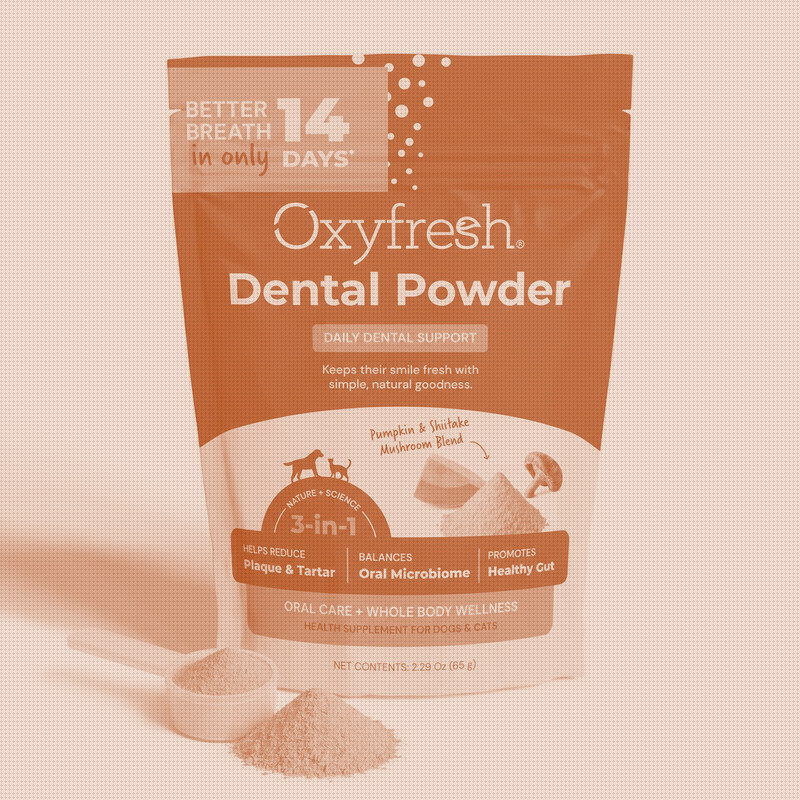
Oxyfresh's New Dental Powder Enters a Category Everyone's Suddenly Chasing
Oxyfresh launched a Triple Biotic dental powder for cats and dogs, joining Prodogi's dissolvable strip and Wuffes' competing powder in a pet dental category now growing 7.31% a year. The real test is repurchase data, not launch claims.

ZuttoNyan Brings an Unverified 'No. 1 in Japan' Claim to the US
ZuttoNyan launched tofu and cassava cat litter in the US via TikTok Shop and Amazon, branding itself Japan's No. 1 mixed litter maker. Its own prior release shows it entered Japan just 13 months earlier, with no data behind the claim.