Warhound raises $200M to clone and gene-edit military dogs
Warhound emerged from stealth on October 22nd, 2026 with a $200M seed round to clone and gene-edit military working dogs using genetics licensed from Colossal Biosciences. Warhound says more than 80% of U.S. military working dogs come from Europe and less than half of those procured are fit for service.

More than 80% of U.S. military working dogs come from Europe, and less than half of the dogs procured end up fit for service, Warhound said when it emerged from stealth on October 22nd, 2026 with a $200M seed round. The Texas-based startup plans to clone and gene-edit replacements using genetics licensed from Colossal Biosciences. For breeders and dog DNA companies, it puts $200M behind editing dog genomes.
Warhound plans to clone and edit working dogs
Ben Lamm of Colossal and Palmer Luckey of Anduril conceived the company, and David Spirk, a Marine veteran and former Department of War chief data officer, is CEO. Warhound said Sequoia Capital, In-Q-Tel, ARK Invest, Franklin Templeton, 8VC and Lux Capital are among the backers. Forbes reported a $1.2B valuation, led by Sequoia partner Shaun Maguire.
The plan has three parts. Colossal supplies genetics, cloning and biobanking. Warhound handles training and animal care. Anduril equips each dog with software, eye and ear protection and its Eagle Eye technology. The American Humane Society will certify the training programs, according to Warhound.
The company said the Pentagon's working dog program includes more than 2,200 teams. About 200 dogs must be sourced and trained today to field 100, Warhound said. TechCrunch reported that the team has banked cell lines from Belgian Malinois and German Shepherds, that Viagen, a Colossal-owned company, will do the cloning, and that the first batch is expected to be born early next year.
Washouts are the cost problem Warhound is pricing
Forbes cited a 2020 Bloomberg report putting a dog at $9,000 from American breeders or $5,500 from overseas, with training that can top $60,000. By our math, a pass rate under 50% means each fit dog carries the purchase and training cost of at least two candidates.
That is the number Warhound is selling against. Lamm said the genetics work targets problems such as poor eyesight, cancer, hip dysplasia and muscle atrophy, according to TechCrunch.
TechCrunch said Warhound expects to sell to the Department of Defense, police forces and first responders. A defense buyer is a different customer from a kennel or a clinic, and Warhound frames the supply gap as a national security issue.
Dog DNA is already a consumer category. Wisdom Panel's 25 traits and Embark's $39 upgrade sell genetic readouts to owners. Warhound edits dogs instead of reading them.
The civilian question is what happens to the health work
Warhound said technologies and therapeutics developed through the program will be made available to all dogs. It did not give a timeline or say who will sell them.
Forbes put the first deployment of a Warhound dog at about two years out. A litter from early next year gives breeders, veterinarians and insurers an early read on whether the edited dogs stay healthy.
If we had to guess, the pet industry hears about this first through animal welfare debate, since the bioethicist Warhound quoted said the work carries a duty of careful ethical review and oversight. Pet businesses that sell genetics, breeding or health coverage will get questions from customers.
The first Warhound pups are not a pet product. The company is building the pipeline that could become one.
Source: Warhound via PR Newswire
Other News
More stories shaping the pet industry this week. From funding rounds and product launches to regulatory shifts and retail strategy, stay ahead of what's driving the market.
Tractor Supply comps turn positive as Petsense falls to 135 stores
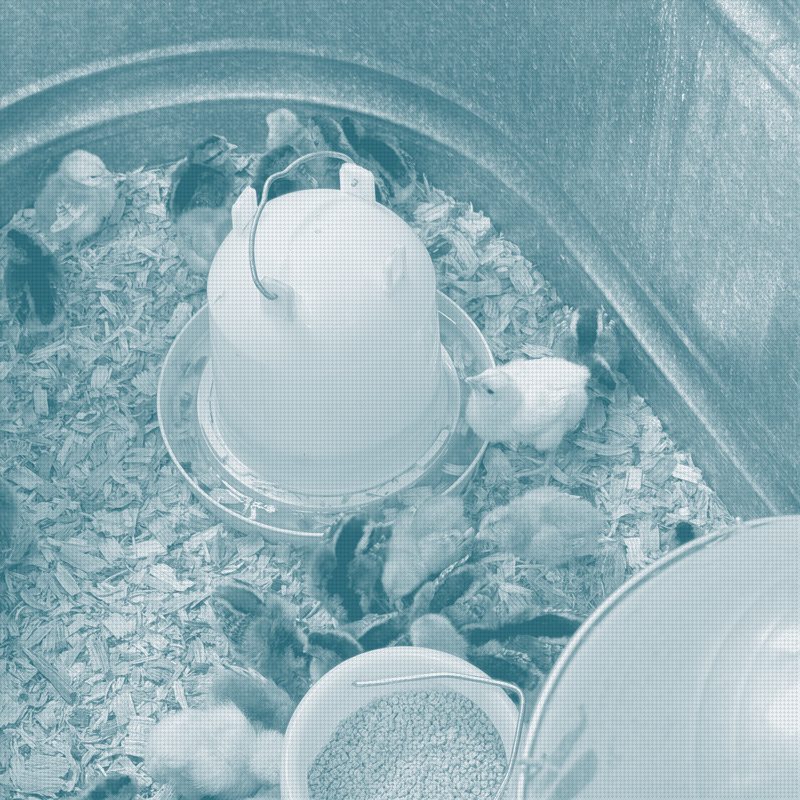
Tractor Supply's third-quarter comparable sales rose 0.4% after a 1.5% decline in the second, and the company said companion animal still runs below its average. It closed 74 Petsense stores and ended the quarter with 135.
Vimian agrees to buy a U.S. soft tissue surgery maker
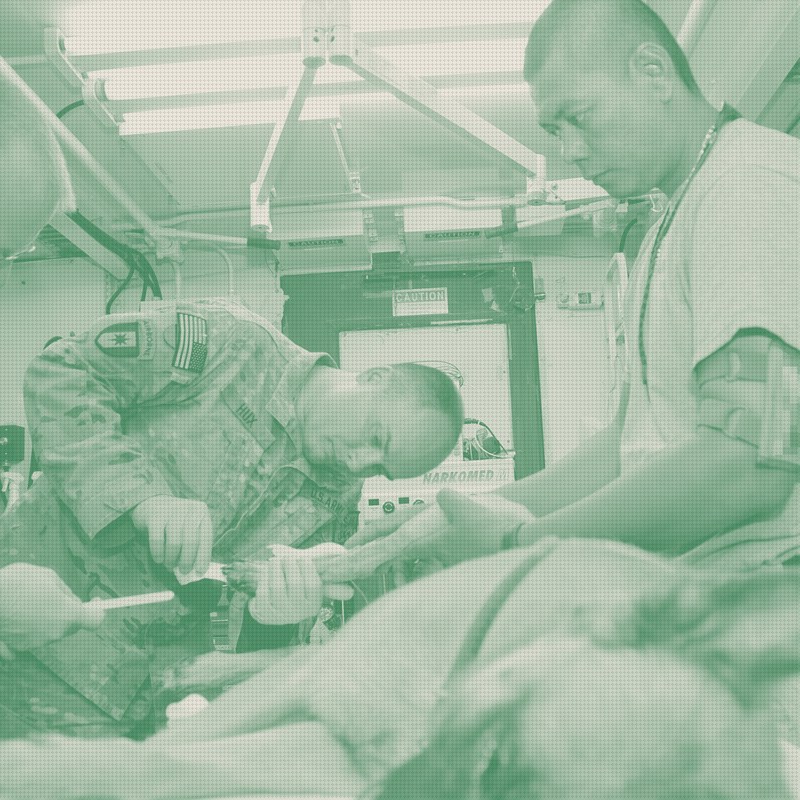
Vimian agreed on October 21st, 2026 to acquire Norfolk Medical Products, a U.S. maker of soft tissue surgery implants sold to veterinary clinics. The price was not stated, and completion is expected on or around November 2nd.

Nestlé Petcare organic growth hits 5.3% as cat leads
Nestlé said on October 22nd, 2026 that Petcare organic growth was 5.3% in the third quarter, with 4.3% from real internal growth. Cat led, dog stayed soft, and the fourth quarter comparison gets harder.