
FDA Clears Zoetis Drug for Screwworm as Outbreak Spreads North
The FDA granted Zoetis an emergency use authorization for Simparica Trio to treat New World screwworm in dogs, the first product cleared specifically for the threat. Texas has already begun requiring treatment before dogs cross certain lines, putting boarding facilities, transporters, and border-state vet practices under a new compliance mandate.
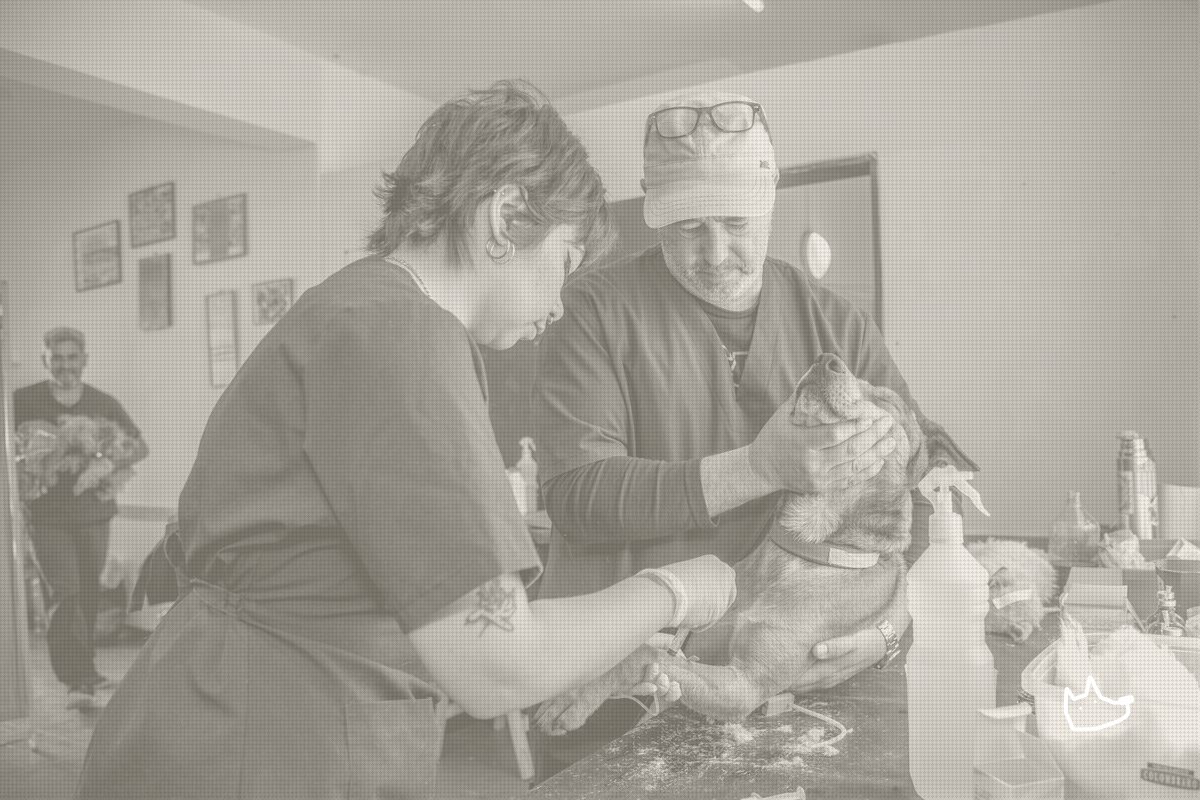
A flesh-eating parasite is moving north out of Mexico, and it just triggered one of the fastest drug clearances the FDA has. On August 13th, the agency granted Zoetis an emergency use authorization for Simparica Trio to treat New World screwworm infestations in dogs, the first product cleared specifically for that threat. For veterinary practices and animal transporters in the outbreak zone, the authorization lands alongside state movement orders that already require treatment before dogs cross certain lines.
Zoetis wins FDA authorization for screwworm treatment
New World screwworm, or Cochliomyia hominivorax, is a blowfly whose larvae burrow into the living tissue of warm-blooded animals, a wound that spreads and can kill an untreated dog within one to two weeks. The parasite was declared eradicated from the U.S. in 1966, and its return this year has been limited so far to confirmed detections in Texas and New Mexico.
The FDA's emergency use authorization, announced August 13th, lets veterinarians in affected areas prescribe Zoetis's Simparica Trio (sarolaner, moxidectin, and pyrantel) specifically for NWS treatment in dogs and puppies, a use the chewable was never originally approved for. The agency said it found "reasonable belief" that the drug's benefits outweigh its risks, a lower evidentiary bar than a standard approval that exists specifically for public health emergencies.
"The Emergency Use Authorization for Simparica Trio provides an important new tool in the fight against New World screwworm, a devastating parasite that can cause severe suffering in dogs," said Abhay Nayak, Zoetis's EVP and president of U.S. commercial operations.
Simparica Trio already treats six tick species and protects against heartworm, fleas, and intestinal parasites in dogs eight weeks and older. The EUA doesn't extend to cats, and it stays in effect only for the duration of the declared emergency.
Border-state operators now face a treatment mandate
For operators near the outbreak zone, the FDA action lands with teeth attached. Texas has already issued animal movement orders requiring dogs to be treated for NWS before crossing certain lines, and boarding facilities, rescue transporters, and mobile groomers now have to build compliance into routine handling rather than treat it as a one-off recommendation from a state vet.
The timing matters for Zoetis, too. The company folded its COO role into the CFO's just weeks after posting flat second-quarter revenue as pet spending softened. An emergency authorization doesn't move a $9.47B in 2025 revenue company's quarter by itself, but it does something more durable: it attaches the company's best-selling parasiticide to a live public health response, the kind of association that shapes formulary decisions and prescribing habits long after the outbreak fades. Simparica Trio is already Zoetis's flagship combination product; a second approved use case, even an emergency one, widens the moat against Elanco and Boehringer Ingelheim in the parasiticide category.
Zoetis has been positioning for this outbreak on two fronts at once. Beyond the Simparica Trio authorization, the company also holds a conditional approval and separate emergency authorization for a livestock injectable treatment, meaning it's now a go-to supplier across both companion-animal and production-animal channels as the parasite spreads. That's a meaningful edge if the outbreak persists into next year: competitors seeking their own authorizations will be racing to catch a company that already has product on shelves in both categories.
The bigger operator question is how long this stays an emergency-authorization problem instead of a permanent one. If containment slips, "treat before you cross state lines" stops being a Texas-specific compliance note and becomes a standing cost of doing business anywhere pets move across the expanding buffer zone.
Whether the screwworm outbreak spreads beyond Texas
The USDA is racing to rebuild the sterile-fly release program that pushed screwworm out of the U.S. in 1966, flooding the wild population with sterile males to break its reproductive cycle. Whether that program can outpace the parasite's spread north from Mexico is the single biggest variable for anyone operating near the current buffer zone.
If detections spread beyond Texas and New Mexico, expect more states to issue their own movement orders, and expect competing manufacturers to file for their own emergency authorizations rather than cede the border-state market to Zoetis alone. Elanco, Boehringer Ingelheim, and Merck Animal Health all sell competing parasiticides; none has announced a comparable authorization yet.
The clock also runs against Zoetis directly. An emergency authorization lapses when the government ends the underlying declaration, not on a fixed calendar date, so operators leaning on Simparica Trio for NWS treatment should watch USDA's screwworm status dashboard rather than assume the current authorization outlives the outbreak. A full FDA approval for this specific use, if Zoetis pursues one, would be the signal that this becomes a permanent label addition rather than a temporary emergency measure.
Source: Zoetis via Business Wire
Other News
More stories shaping the pet industry this week. From funding rounds and product launches to regulatory shifts and retail strategy, stay ahead of what's driving the market.

Vets beat owner self-research by just six points in a supplement seller's survey
A Lillie&Lee survey of its own community finds 35.3% of pet parents pick supplements on a vet's recommendation and 29.2% decide on their own. The vendor-sponsored data suggests the vet's influence at the point of purchase is thinner than the trust numbers imply.

Skiptown's Texas entry adds five units to a franchise pipeline with none open
Skiptown is entering Texas with a five-unit franchise agreement in greater Austin, first opening targeted for fall 2027. The deal brings its franchise pipeline to at least 12 units, none open, in a market where a well-known dog bar closed this spring.

Mars' ingredient program halves its applicant pool
Big Idea Ventures and Mars Petcare picked EcoBean, Loopworm and Space Ark Biomedical for the third Next Generation Pet Food Program, from 83 applications, down from 165. Mars describes the accelerator as a search for next-generation suppliers, and we found no announced Mars supply deal with any graduate so far.