Zoetis Posts Flat Q2 Revenue as Pet-Spending Softness Persists
Zoetis reported flat second-quarter revenue and $691 million in net income, its second soft quarter in a row after missing estimates and cutting full-year guidance in Q1. The results suggest animal health's largest company is still working through softening veterinary-visit volume and pricing pressure in companion-animal products.
Animal health's largest public company just posted a second consecutive soft quarter, and the numbers say the back half of the year has to work harder than the front half did.
Zoetis reported $2.5 billion in second-quarter revenue on August 6th — flat against a year ago and down 1% on an organic basis — after missing estimates and cutting guidance in the first quarter.
Zoetis reports flat Q2 revenue and $691M profit
Zoetis reported second-quarter 2026 revenue of $2.5 billion, essentially flat compared with the same period last year and down 1% on an organic operational basis. Net income came in at $691 million, with diluted earnings per share of $1.65.
The quarter follows a rougher start to the year. Zoetis's first-quarter 2026 results missed Wall Street's revenue and profit estimates and came with a cut to full-year guidance: the company lowered its 2026 outlook to $9.68 billion–$9.96 billion in revenue and $6.85–$7.00 in adjusted earnings per share, down from a prior range of $9.83 billion–$10.03 billion and $7.00–$7.10. That quarter's US companion-animal sales fell 11% year over year, which management attributed to fewer veterinary visits, extended dosing cycles, and pet owners shifting to lower-cost alternatives.
Two quarters into the year, Zoetis has now posted one revenue miss and one flat quarter against a guidance range it already cut once.
Why flat is a warning sign for animal health
For most consumer categories, flat revenue after a guidance cut wouldn't register as news. For Zoetis, it's the second data point in a pattern operators across animal health should be tracking: veterinary visit volume is softening, and it's showing up first in companion-animal spending — the same category driving growth for pet retailers, insurers, and diagnostics companies across the sector.
The mechanism matters more than the headline number. Zoetis's own commentary this year has pointed to pet owners stretching out dosing cycles and trading down to lower-cost alternatives rather than skipping treatment altogether — a demand-elasticity story, not a demand-collapse story. Add intensifying price competition in parasiticides, a category Zoetis has flagged this year as facing aggressive pricing and incentives from rivals, and the picture is less about pet owners disappearing than about a category where Zoetis's traditional pricing edge is eroding.
The rival's numbers make the same point from the other side. Elanco raised full-year guidance for the second straight quarter a day earlier, on roughly 10% revenue growth over the same three months Zoetis went flat. Two companies selling into the same clinics and moving in opposite directions points to share shifting between them, not to the whole category contracting.
Run the math against Zoetis's own guidance and the pressure gets concrete. First-half 2026 revenue totals roughly $4.8 billion — $2.3 billion in the first quarter plus $2.5 billion in the second. Hitting the low end of the company's full-year range, $9.68 billion, requires second-half revenue of about $4.88 billion, essentially flat sequential growth. Hitting the high end, $9.96 billion, requires $5.16 billion, a roughly 7.5% step up. After two quarters of misses and flat results, even the low end of Zoetis's own guidance now assumes the back half performs better than the front half did.
IDEXX, whose diagnostics revenue also tracks veterinary visit volume, posted the opposite result this week — beating Q2 estimates and raising guidance for the second time this year — a reminder that the softness Zoetis is describing isn't uniform across every corner of animal health.
Whether Zoetis adjusts guidance again this fall
Zoetis's next real test comes with third-quarter results, typically reported in early November, when the market finds out whether the sequential improvement its own guidance now requires actually shows up. A repeat of this year's pattern — another quarter of flat-to-negative organic growth — would put real pressure on management to cut guidance a second time.
Watch two things in the meantime. First, whether Zoetis's companion-animal portfolio outside the pressured categories can pick up enough share to offset the softness management has already flagged. Second, whether the international growth that offset US weakness in the first quarter — up 17% to $1.1 billion, with companion-animal sales abroad up 10% — continued at a similar pace, since a slowdown there would remove the one lever that's been working.
For the broader animal-health and pet-retail sector, Zoetis's results function as an early read on veterinary spending overall. If the category's largest, most diversified player needs a stronger back half just to hit an already-lowered bar, smaller operators selling into the same channel should plan for a tougher back half than they might otherwise expect.
Source: Zoetis via Business Wire
Other News
More stories shaping the pet industry this week. From funding rounds and product launches to regulatory shifts and retail strategy, stay ahead of what's driving the market.

GoodVets Buys WellHaven's 40 Hospitals, Ending Its De Novo-Only Era
GoodVets is acquiring WellHaven Pet Health's network of more than 40 hospitals, growing its footprint from 75 to 116 locations. The deal marks a shift from the de novo strategy that defined the General Atlantic-backed platform's first decade toward the acquisition-led growth every other scaled vet consolidator already runs on.
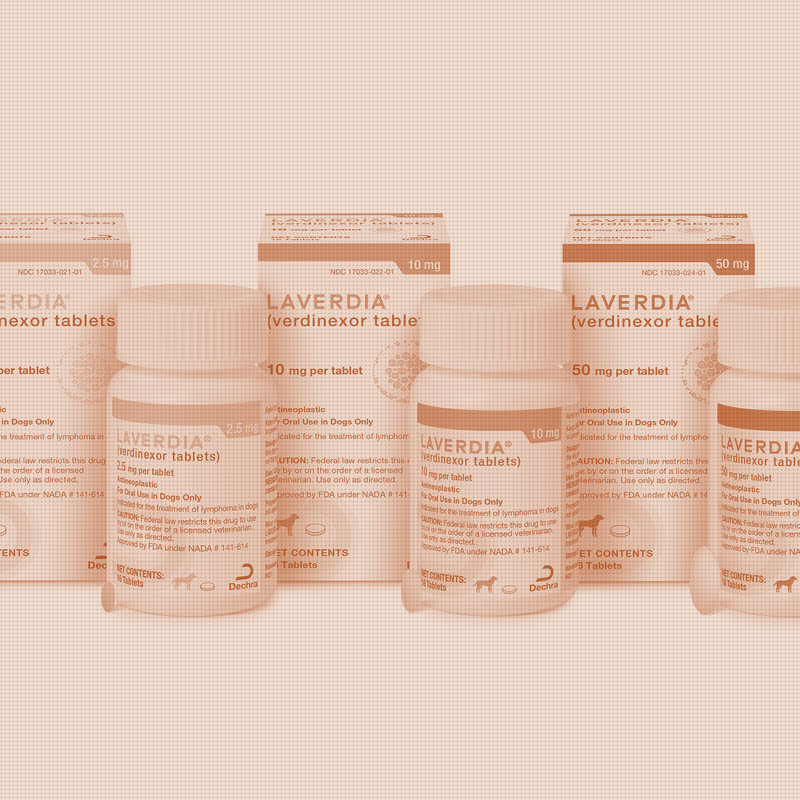
Dechra's Oral Cancer Pill Targets the Dogs Chemo Never Reaches
Dechra is commercially launching Laverdia, the first FDA-approved oral treatment for canine lymphoma, developed by Anivive and licensed to Dechra in 2022. The bet isn't on winning cases from oncology referral networks, but on treating the roughly 80% of diagnosed dogs who currently get no chemotherapy at all.

PetMeds Names New CEO, Rebuilds Board Amid Takeover Fight
PetMeds named Jeff Willard as its next CEO and added two new independent directors, including a Shake Shack executive as board chair, while a $3-a-share takeover bid from SilverCape Investments remains unanswered since June. None of the three new leaders has prior ties to the company, a signal the board is building outside credibility for whatever comes next.