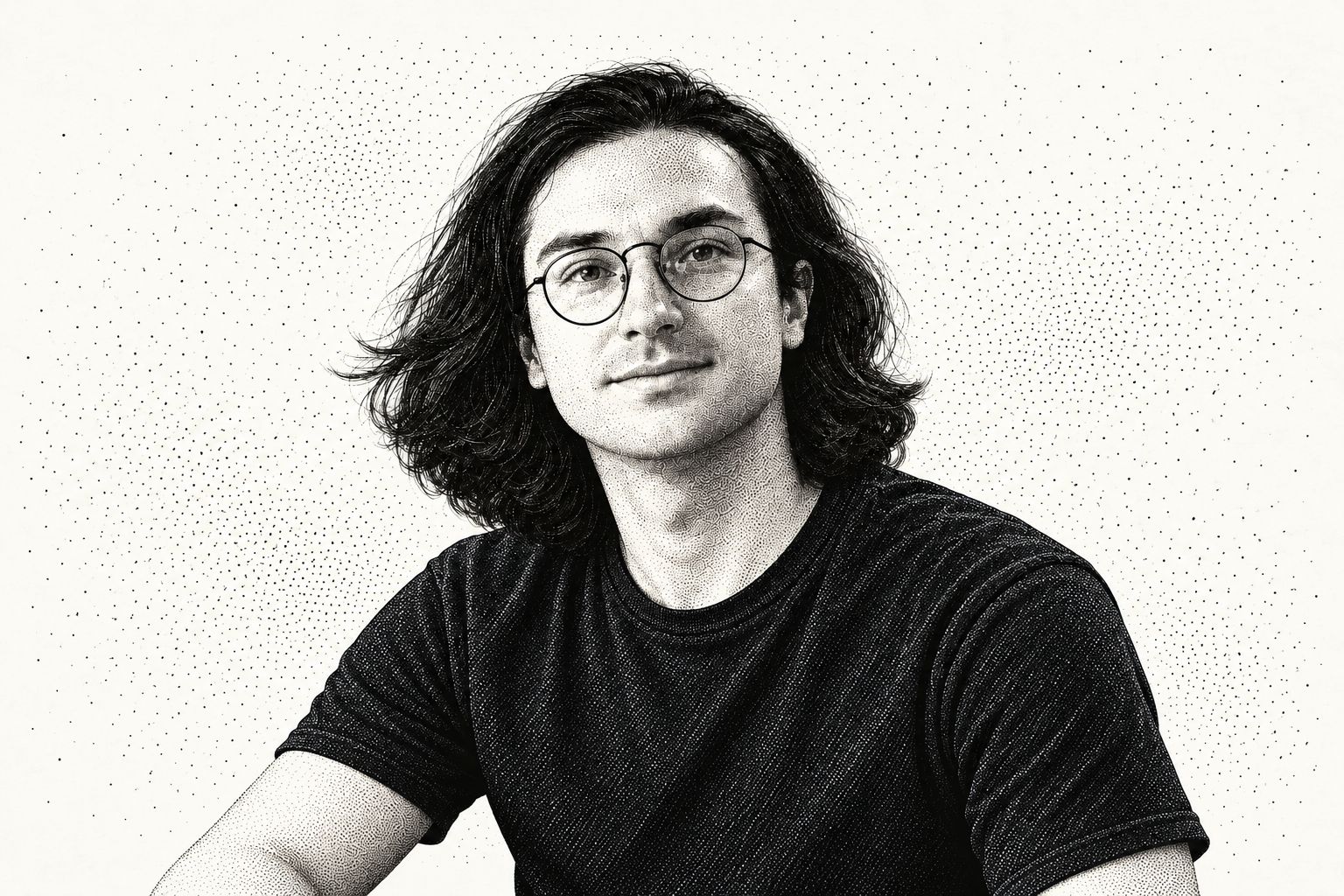
Alexandru Bacita | Co-Founder & COO, The Cat Health Company
Cats are living longer, but the drugs for age-related disease have not kept pace. The Cat Health Company, a clinical-stage biotech, has three drugs in trials and 11 more preclinical candidates, and has out-licensed its first therapeutic. Co-founder and COO Alexandru Bacita explains why cats compress the drug-development loop, how the company targets muscle loss and kidney disease first, and why the route to longevity runs through veterinarians and pharma partners.
Cats are living longer, but many age-related diseases still have limited treatment options. The Cat Health Company thinks that can change.
We spoke with Alexandru Bacita, co-founder and COO of The Cat Health Company, a clinical-stage biotech using machine learning to develop medicines for age-related diseases in cats. Bacita previously worked in human drug discovery before turning his attention to feline health.
In less than two years, the company says it has moved three drugs into clinical trials, built a pipeline of 11 more preclinical candidates, and out-licensed its first therapeutic. Its most advanced programs target age-related muscle loss and chronic kidney disease.
But the ambition goes beyond cats. Because cats naturally develop many of the same diseases of aging seen across mammals, the company believes what it learns could eventually help answer a much bigger question: how far can we extend healthy life?
Give us a short intro. What is The Cat Health Company, and what are you ultimately trying to accomplish?
We’re a clinical-stage biotech using machine learning to develop medicines for the diseases of old age in cats. In under two years, we’ve produced clinical-stage drugs, seen treatments make a real difference in very sick cats, and out-licensed our first therapeutic to pharma. Ultimately, we want to go beyond nine lives and then, beyond known limits for all species.
You and your co-founder both came from human drug discovery. How did you go from that to a biotech company focused specifically on cats?
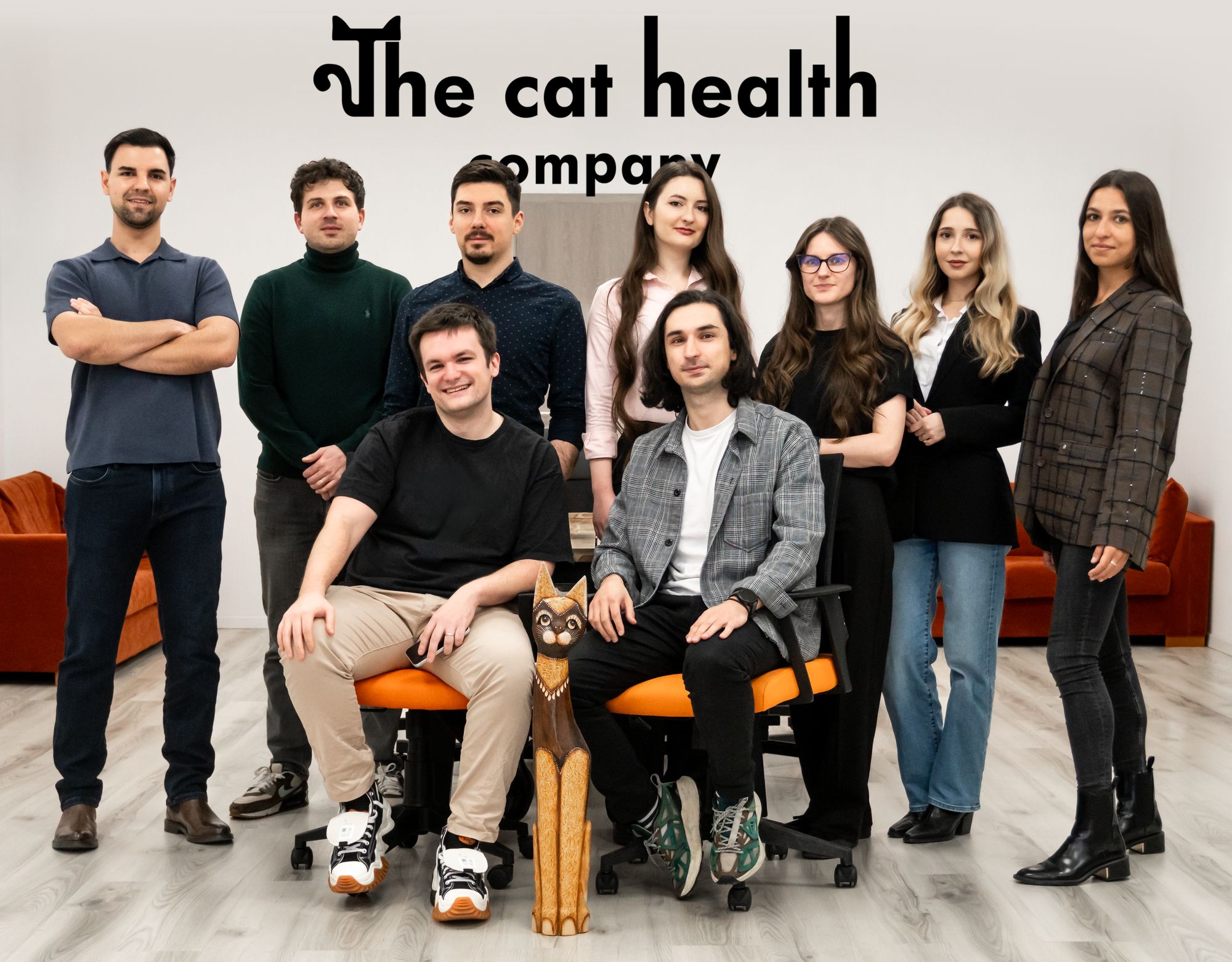
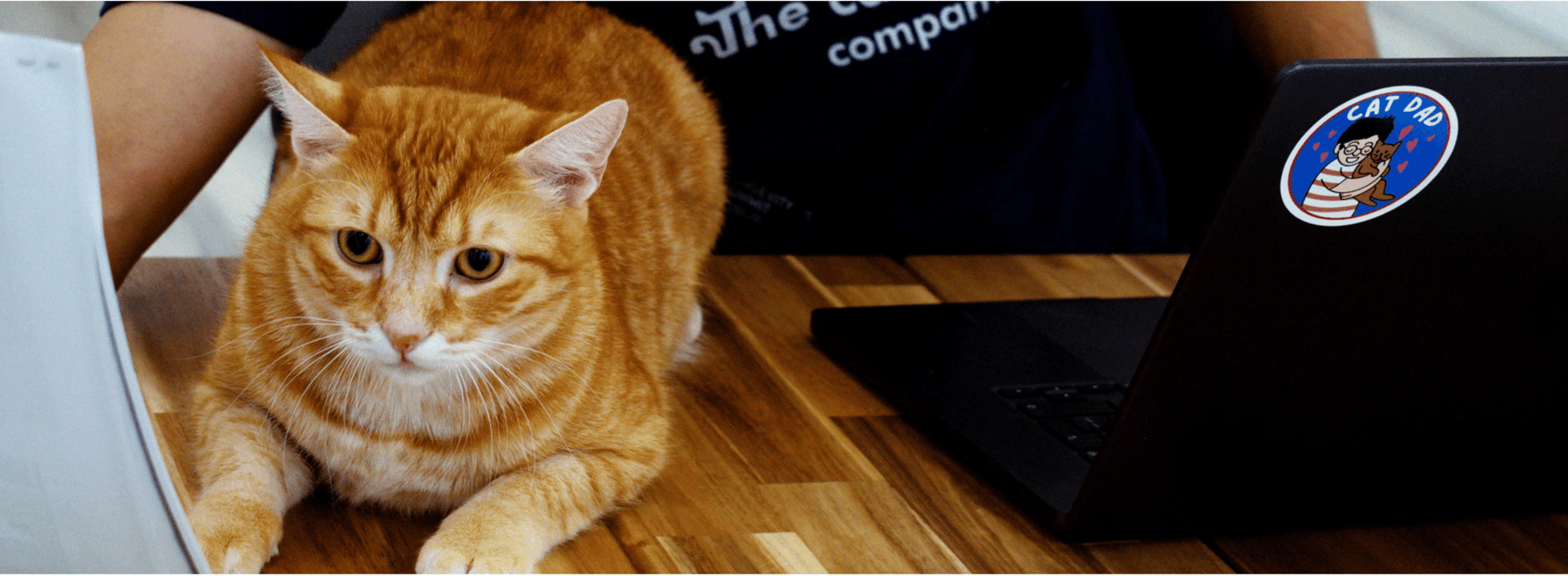
In human drug discovery, the loop between a computational hypothesis and meaningful clinical evidence can take a very long time. Cats have much shorter lifespans, so that loop is dramatically compressed. Once we have a pill predicted to strongly reverse disease phenotypes, we test it in the most appropriate clinical context, in a real market, learn from the result, and feed that information back into the next program far faster. Moreover, we just generally love cats! Our team has 14; the cofounders have 4. It’s almost a recruitment ritual to verify our incoming team members care about our companion felines.
What makes cats unique, scientifically, when it comes to studying aging and age-related disease?
Cats are unique. They naturally develop complex age-related disease like other mammals, but have a much shorter lifespan than humans and far less variation in body size than dogs. That gives us a clinically relevant model with a much faster feedback loop and cleaner dosing than you get in many other categories of trials.
You already have 3 clinical trials underway and another 11 pre-clinical candidates. What does a clinical trial for a cat actually look like, and how do you make sure the animals are safe throughout the process?
Very much like a human clinical trial: a formal protocol, eligibility criteria, clinical examinations, bloodwork, imaging, predefined endpoints, randomisation and blinding.
We take safety extremely seriously. Our protocols include continuous adverse-event monitoring, formal stopping rules, rapid safety review for serious events, informed owner consent, and the right to withdraw at any time. The cats remain at home with their families and are closely followed by veterinarians throughout.
Your most advanced candidate, PURR-001, targets age-related muscle loss. What happens to cats as they develop this condition, and what are you hoping the treatment will do?
As cats age, they can progressively lose skeletal muscle, affecting mobility, resilience, and quality of life. PURR-001 is designed to preserve and even rebuild muscle mass, not simply just increasing appetite or overall body weight.
In our randomized trial, treated cats gained substantially more body mass than placebo, while ultrasound showed markedly greater, and correlated, growth in epaxial muscle. The program has now moved into manufacturing development.
You’re also developing PURR-004 for chronic kidney disease. Why is kidney disease such a prevalent problem in older cats?
CKD is one of the defining diseases of feline aging and a major cause of death in older cats. It is complex, progressive, often detected relatively late, and demands new ways of addressing disease mechanisms rather than managing symptoms.
With PURR-004, we’ve already seen substantial reductions across key renal health tests — including blood creatinine, urea, SDMA, and phosphorus — while the control group moved in the opposite direction. It’s still early proof-of-concept, but seeing that pattern across multiple measures, together with striking improvements reported in some very old, seriously ill cats, is exciting!
If you learn how to successfully treat age-related diseases in cats, what could that potentially teach us about aging and disease in humans?
Neither sarcopenia nor primary age-related CKD has treatments available, and we know aging biology is deeply conserved across mammals. One reason we run with cats is that we can check whether mechanisms that look compelling in preclinical datasets actually matter in naturally aging mammalians too.
There is good precedent for this. Animals with naturally occurring disease have repeatedly bridged the gap between laboratory data and human medicine. Dogs born blind because of mutations in RPE65, the same gene behind a form of Leber congenital amaurosis in children, had their vision restored by retinal gene therapy in 2001. That work paved the way for human trials in 2007 and ultimately for Luxturna, approved by the FDA in 2017 as the first gene therapy in the US to target a specific inherited mutation.
Cats have also contributed to translational medicine through feline immunodeficiency virus (FIV), a naturally occurring lentivirus that produces an AIDS-like immunodeficiency and has been used for decades as a comparative model of HIV infection. Studies of FIV infection and vaccination have helped investigate protective T-cell responses and conserved viral epitopes with potential relevance to HIV-vaccine design.
Developing new drugs is notoriously expensive and has a high failure rate. What makes you believe you can approach drug development differently with cats, and where do you think you have an advantage?
The advantage isn’t any single algorithm. It’s the speed of the whole system.
Our team doesn't just use better computational and lab tools; it does so faster. On average, a new companion animal drug takes several years to reach market, and a new human drug takes 10 to 15 years. By owning the computational tools, lab, and clinical ops, we've dared to move almost 5 times faster.
From a computational signal to preclinical experiments and finally to clinical results without years of handoffs. When specialist infrastructure is better outside the company, we partner, but our first aim is to build it ourselves. The result is a much tighter feedback loop and far more evidence generated for every dollar spent.
People familiar with the pet longevity space will probably think of Loyal and its work with dogs. Is The Cat Health Company essentially trying to do for cats what Loyal is doing for dogs, or is your approach fundamentally different?
There's a shared belief across our field that aging can be slowed down, and it's encouraging to see how much serious work is now happening in companion animals. Loyal has done pioneering work in dogs and has shown that regulators and investors will engage seriously with longevity medicine.
The Dog Aging Project's TRIAD study is conducting a multicenter, randomized, double-masked, placebo-controlled trial of rapamycin in companion dogs, with lifespan as the primary endpoint and multiple measures of healthspan as secondary endpoints. It represents one of the best tests of a pharmacological intervention against biological aging using lifespan and healthspan endpoints in naturally aged mammals.
Our clinical strategy is different. We start with defined pathologies such as sarcopenia and CKD, and ask whether a therapy can change meaningful disease-specific endpoints in affected animals. Longevity is the next destination, and disease modification is the route we are taking first at The Cat Health Company.
Who is ultimately the customer for these treatments? Will The Cat Health Company sell directly to cat owners, or will the drugs reach them through veterinarians and pharmaceutical partners?
Through veterinarians and pharmaceutical partners. We’re building veterinary medicines, but no direct-to-consumer products yet.
For PURR-001, we have a European manufacturing and commercialization partnership with Vetro. The partner brings their veterinary education channels and distribution network; we bring the therapeutic.
Other Interviews
More conversations with founders, operators, and investors building the future of pet care.
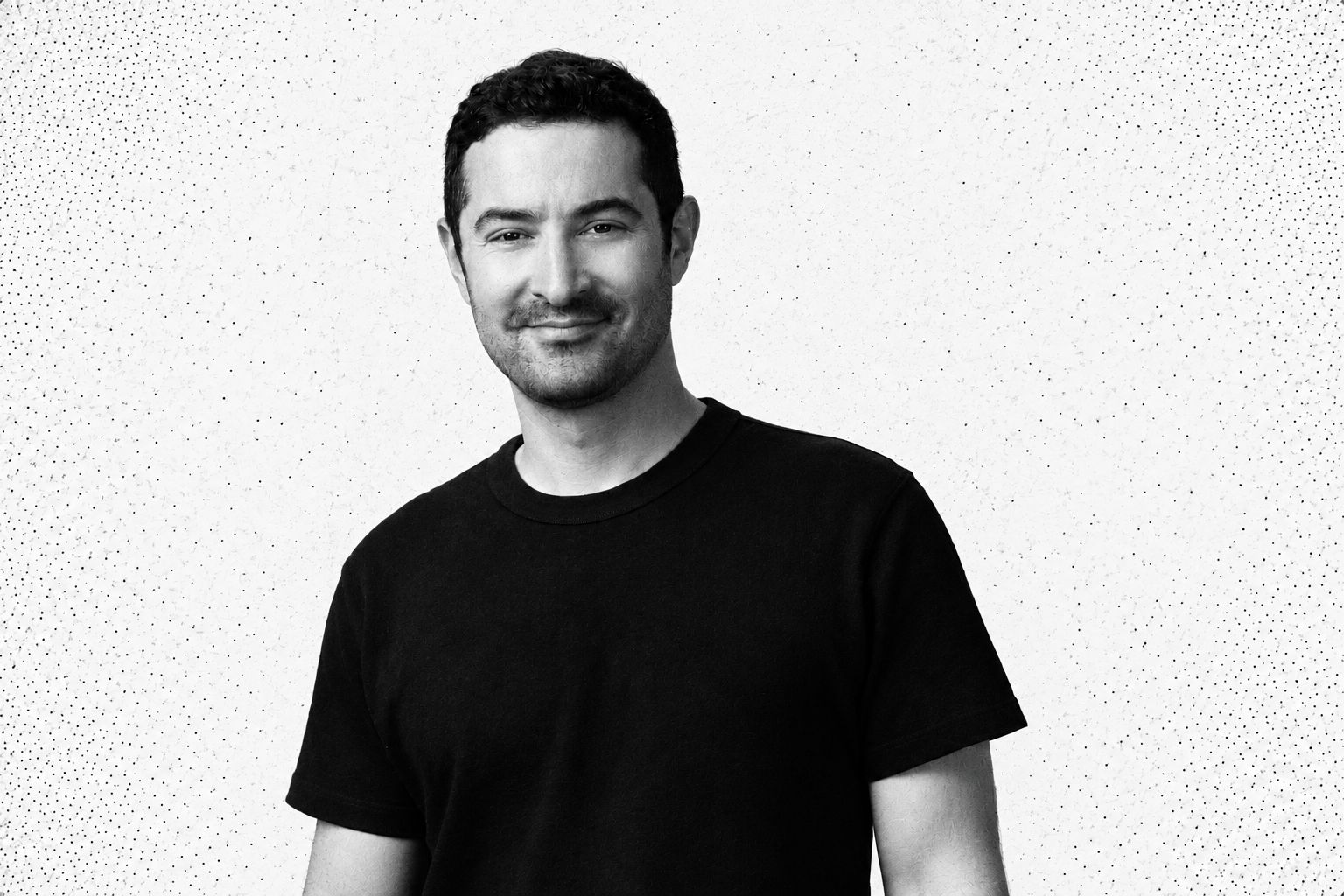
Elias Weiss Friedman | Founder, The Dogist Company
Elias Weiss Friedman spent a decade turning street photography into The Dogist, one of the largest dog-focused audiences online. Now he's testing whether that trust extends to physical products, starting with Vitality, a vet-formulated antioxidant chew built with Dr. Angela Rollins. He talks about the discipline of brand extension, the operational learning curve of a first physical product, and what a decade of stopping strangers on the street taught him about people, not just dogs.
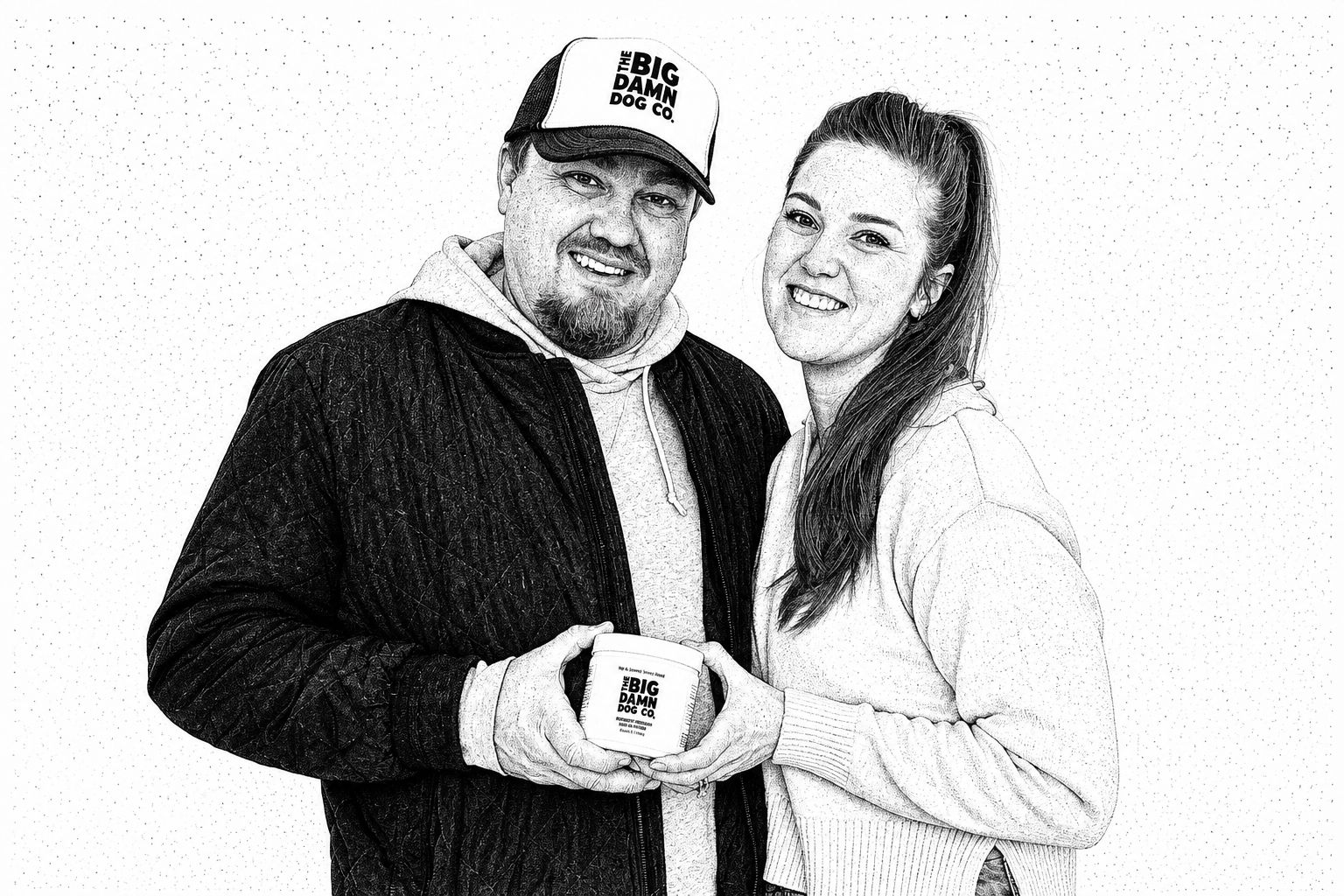
Sarah McLean | Co-Founder & CEO, Big Damn Dog Co.
A joint supplement label that stopped at 60 pounds sent Sarah McLean looking for a product that did not exist. Big Damn Dog Co. is the bootstrapped answer: giant-breed formulations, dosing built for 120-pound dogs, and a customer list the founders still call by phone. Six months after launch, its Gravy Blend already accounts for roughly 40% of joint supplement sales.
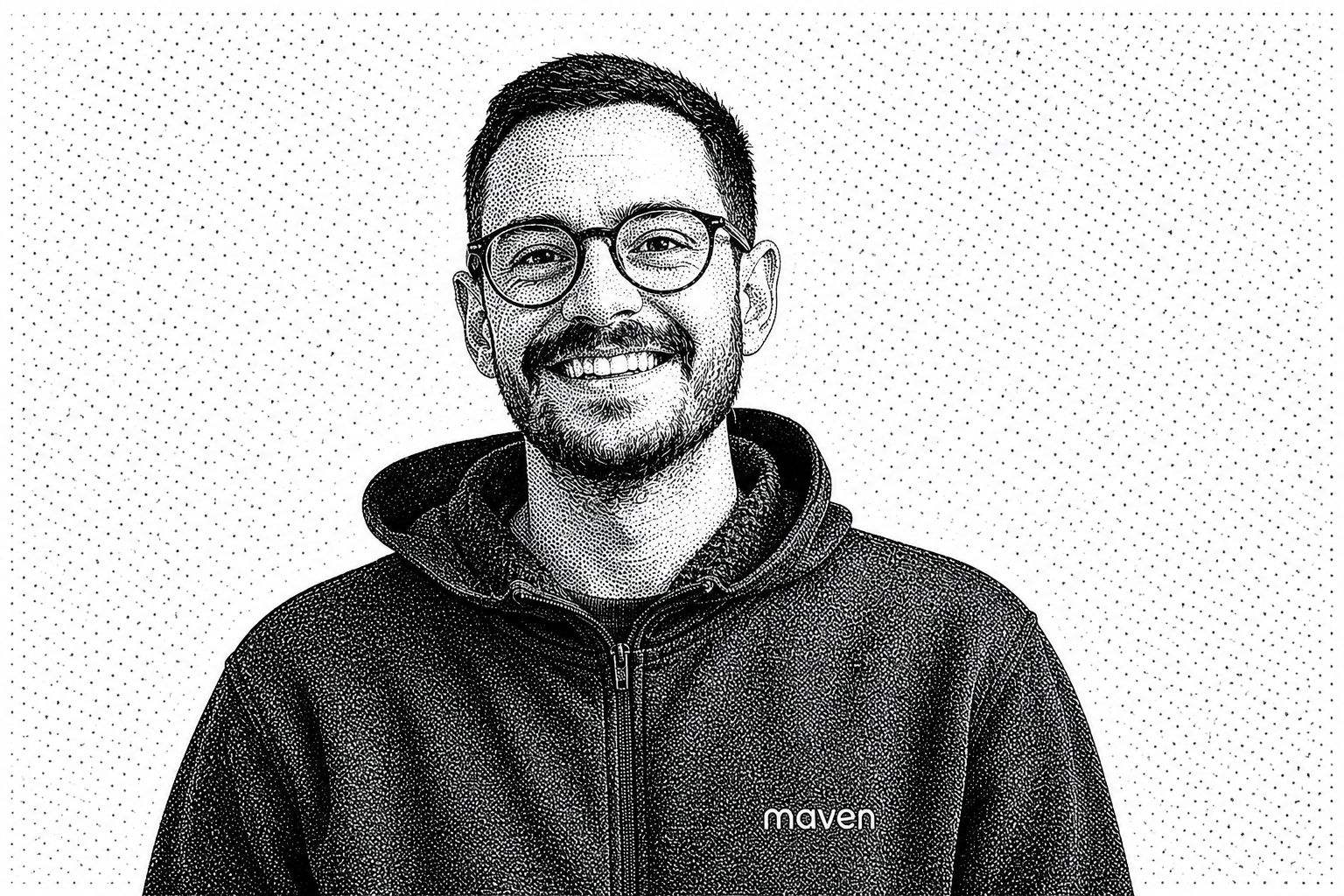
Guilherme Coelho | Co-Founder & CEO, Maven
Most owners catch a health problem only once it is visible, and by then it is usually late. Maven built its wearable around vitals instead of GPS, hired veterinarians before it shipped anything, and sells to owners rather than clinics. Guilherme Coelho on continuous monitoring, a study that set feeding portions by activity data, and why the consumer is the one who now brings the vet the data.