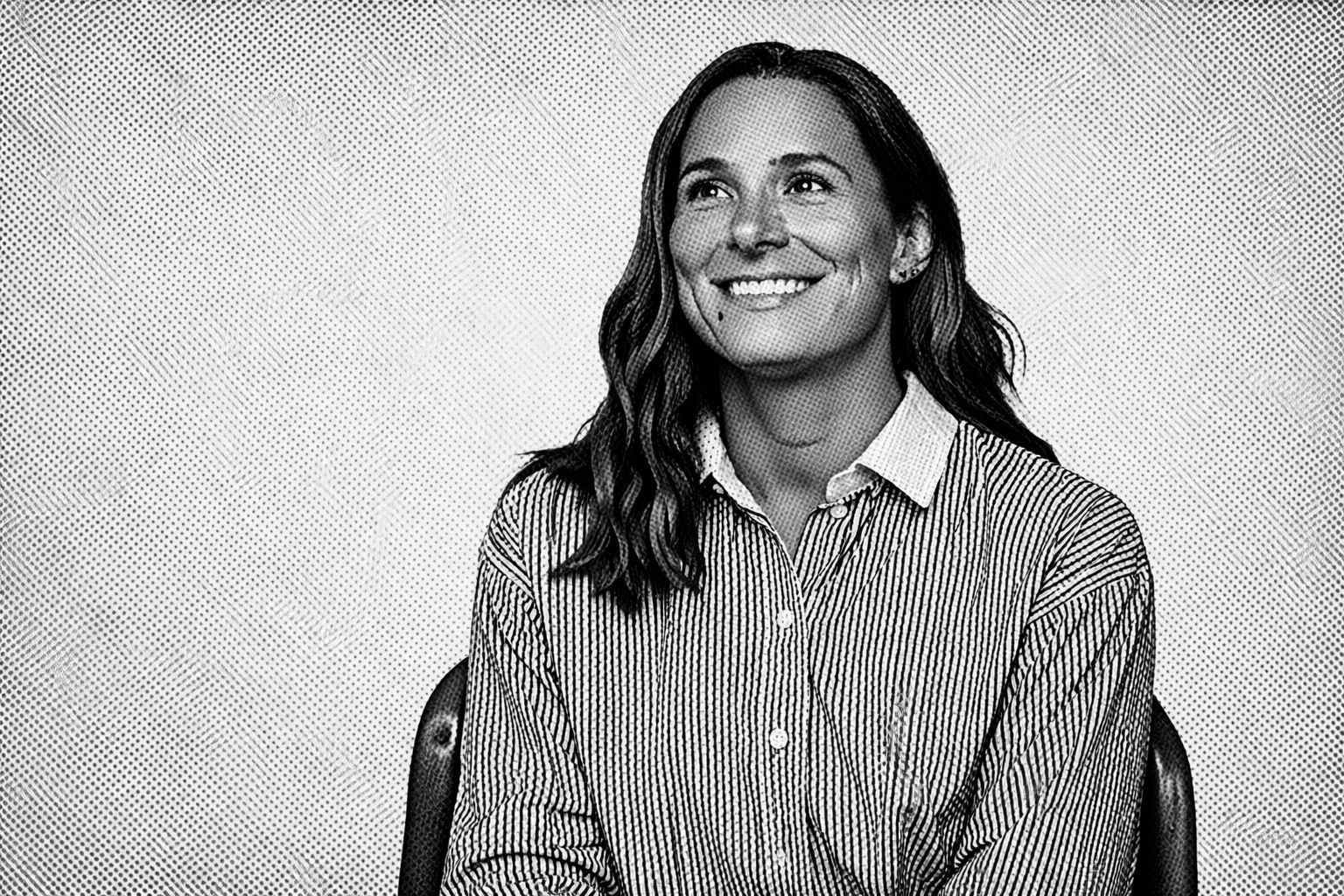
Kate Elden | CMO of Dutch
Dutch CMO Kate Elden on why telemedicine isn't a compromise — it's how veterinary care finally scales. In this Q&A, she breaks down the access crisis (129 million Americans live in vet care deserts), why 50% of Dutch's patients hadn't seen a vet in over a year, and how owning their own EMR and tech stack positions the company to integrate AI diagnostics and at-home monitoring as the regulatory landscape shifts.

Kate Elden didn’t set out to work in telemedicine — she set out to expand access to care. After years in equine and small animal practice, a career-altering injury and the mounting realities of veterinary medicine’s access and affordability crisis forced a hard reckoning: traditional brick-and-mortar care alone cannot meet national demand. Too many pet owners are skipping visits. Too many veterinarians are stretched thin. The gap between the care pets need and the care they receive continues to widen.
Now, as Chief Medical Officer at Dutch, Elden is operating at a different scale. She oversees clinical protocols, technology infrastructure, and regulatory navigation for a platform delivering hundreds of thousands of virtual interactions nationwide. Her mission is clear: increase access, support clinicians, and prove — with data — that telemedicine can be a credible, scalable extension of veterinary medicine rather than a compromise of it.
Can you walk us through your path from veterinary school to becoming Chief Medical Officer at Dutch, and what originally drew you to veterinary medicine?
It starts with my brother. He was born with a disability, and growing up, I watched him struggle with things most kids never have to think twice about. Our family dog, Jamie, changed everything for him. Jamie didn’t care about my brother’s disability; she just loved him unconditionally. Seeing what that bond did for my brother, it clicked for me early on in life that animals have the power to heal people in ways medicine alone can’t. That’s what pulled me toward veterinary medicine. I wanted to be part of that.
My career path was anything but linear. I started as a horse vet in Colorado, then moved to Malibu, where I was taking care of horses for the rich and famous. But then I was kicked by a horse, which changed the whole trajectory of my career. After my injury, I transitioned into small animal care, starting with rehab, and worked my way through private and corporate practices. When COVID hit, the brand-new hospital where I was practicing closed. That’s when I started doing telemedicine, and I was immediately hooked on how it allowed me to treat more animals than ever before and provide care to animals who might not otherwise receive it.
When the hospital reopened, I kept doing telemed while also seeing patients in the hospital. Eventually, I became medical director at La Jolla Vet, where I saw the veterinary access crisis firsthand. Every single day, pet owners would come in who couldn’t afford the care they needed. I kept noticing scenarios where telemedicine was the better option for the pet and the owner by offering more flexibility and affordability, so I built and scaled a telehealth program there. It became a passion of mine, and I knew I wanted to do it at scale and expand telemedicine access for animals across the country. That’s what led me to Dutch.
I’ve always had a deep love for animals, but also a deep love for the veterinary profession. My “why” is to increase access to care, ease the burden on fellow vets, reach underserved communities, and mentor the next generation of veterinary professionals.
Other Interviews
More conversations with founders, operators, and investors building the future of pet care.
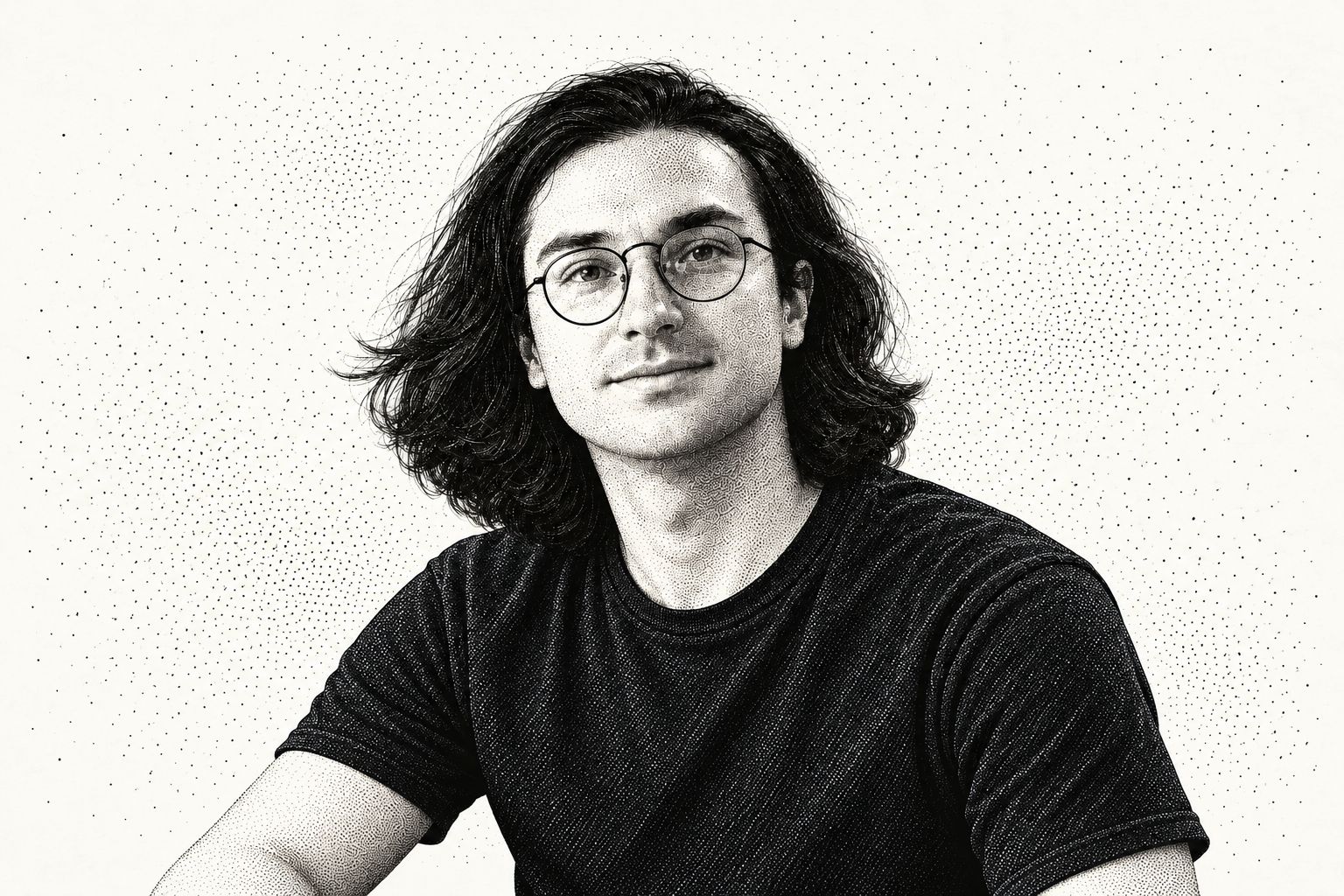
Alexandru Bacita | Co-Founder & COO, The Cat Health Company
Cats are living longer, but the drugs for age-related disease have not kept pace. The Cat Health Company, a clinical-stage biotech, has three drugs in trials and 11 more preclinical candidates, and has out-licensed its first therapeutic. Co-founder and COO Alexandru Bacita explains why cats compress the drug-development loop, how the company targets muscle loss and kidney disease first, and why the route to longevity runs through veterinarians and pharma partners.
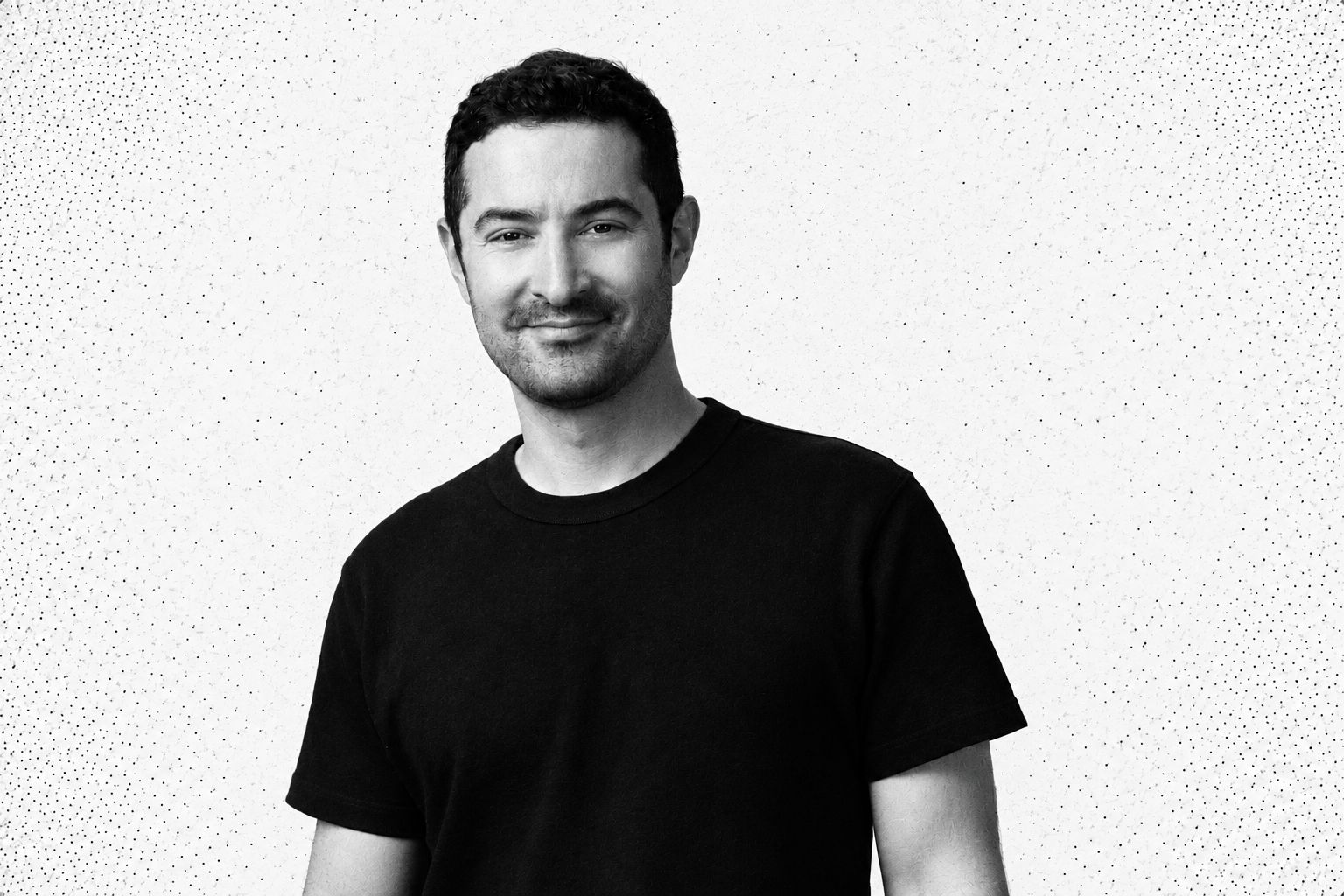
Elias Weiss Friedman | Founder, The Dogist Company
Elias Weiss Friedman spent a decade turning street photography into The Dogist, one of the largest dog-focused audiences online. Now he's testing whether that trust extends to physical products, starting with Vitality, a vet-formulated antioxidant chew built with Dr. Angela Rollins. He talks about the discipline of brand extension, the operational learning curve of a first physical product, and what a decade of stopping strangers on the street taught him about people, not just dogs.
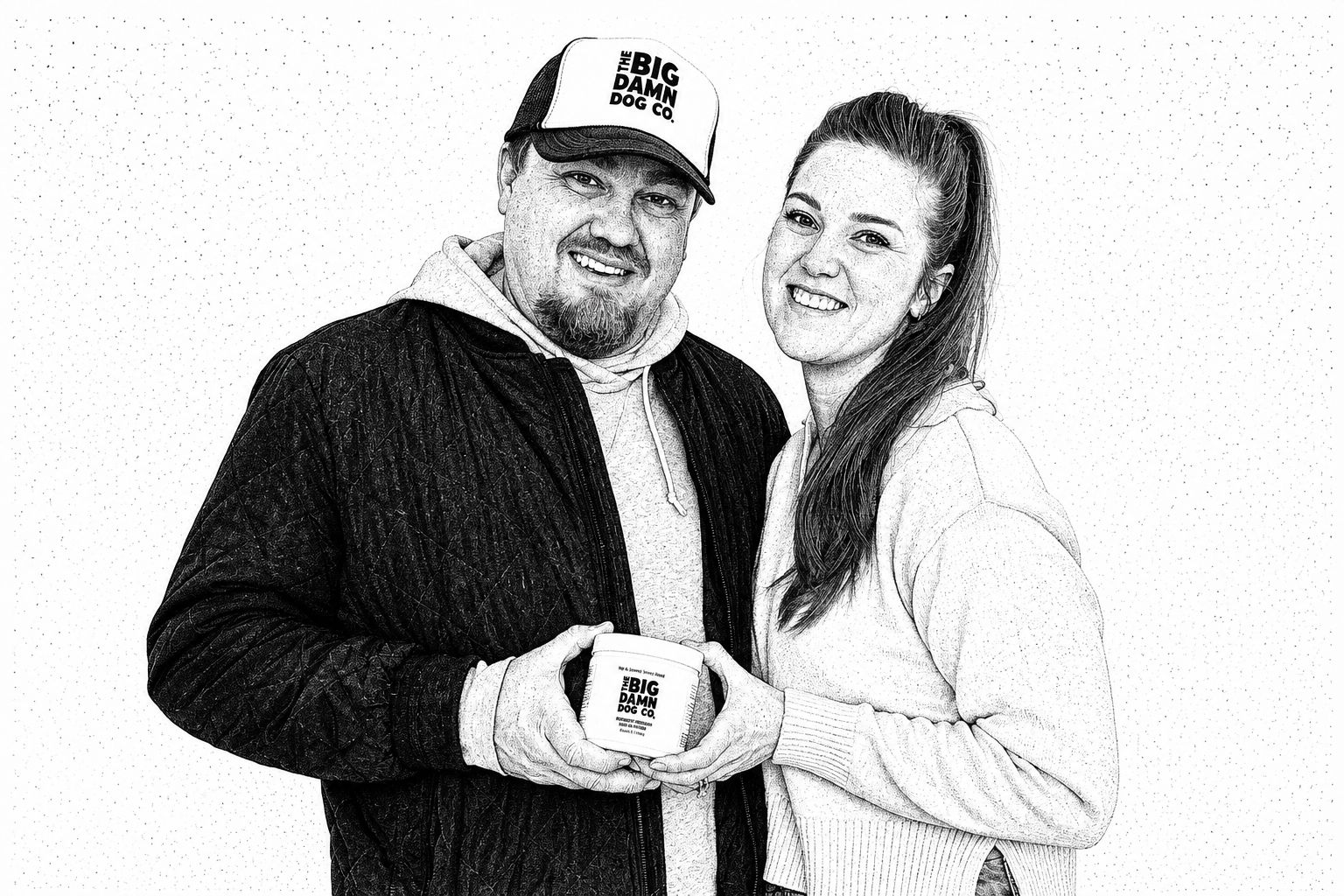
Sarah McLean | Co-Founder & CEO, Big Damn Dog Co.
A joint supplement label that stopped at 60 pounds sent Sarah McLean looking for a product that did not exist. Big Damn Dog Co. is the bootstrapped answer: giant-breed formulations, dosing built for 120-pound dogs, and a customer list the founders still call by phone. Six months after launch, its Gravy Blend already accounts for roughly 40% of joint supplement sales.