Lauren Ephrat | Founder, DOGISTRY
After 20+ years in wine and spirits, Lauren Ephrat built DOGISTRY into a design-forward dog accessories brand placed in Nordstrom and Chewy. She discusses surviving a painful rebrand from Doodle Couture, scaling roughly 5x in a year without outside capital, and why today's pet consumer shops through a lifestyle lens rather than a traditional pet retail one.

After spending more than 20 years in the wine and spirits industry, Lauren Ephrat entered the pet space during COVID with a simple observation: most dog accessories felt outdated, overdesigned, or disconnected from how modern consumers actually live. What started as Doodle Couture eventually evolved into DOGISTRY — a design-forward accessories brand built around the idea that products for dogs should feel as thoughtfully designed as the products people buy for themselves.
In this exciting new interview, she discusses surviving a painful rebrand, landing placements in Chewy and Nordstrom, scaling the business roughly 5x over the past year without outside capital, and why today's pet consumer increasingly shops through a lifestyle lens rather than a traditional pet retail one.
When you started shopping for your dog (Cooper), you felt that most of the accessories on the market looked disconnected from modern style. What did you think the pet industry misunderstood about the modern pet owner at the time?
I don't think the pet industry misunderstood consumers. I think many categories were built around assumptions that made sense for a different time, and many companies built incredible businesses serving those needs.
What was changing was the consumer. COVID accelerated pet ownership in a major way and deepened the emotional bond people have with their pets. For many people, pets became even more central to their families. As life opened back up, people were bringing their dogs everywhere with them, from hotels and restaurants to offices and travel. Suddenly, what those products looked like and how they showed up in daily life mattered a lot more.
At the same time, consumers were becoming far more design-conscious across every category they spent money in, whether it was fashion, beauty, home, travel, or wellness. Social media accelerated that shift by exposing people to highly curated lifestyles, and brands responded by investing far more heavily in design, branding, and overall customer experience. The pet industry was slower to evolve alongside that shift.
Those two shifts created a customer who expected more. They wanted better style, better quality, and more thoughtful functionality, especially in products they were using every single day.
Other Interviews
More conversations with founders, operators, and investors building the future of pet care.

Alexandru Bacita | Co-Founder & COO, The Cat Health Company
Cats are living longer, but the drugs for age-related disease have not kept pace. The Cat Health Company, a clinical-stage biotech, has three drugs in trials and 11 more preclinical candidates, and has out-licensed its first therapeutic. Co-founder and COO Alexandru Bacita explains why cats compress the drug-development loop, how the company targets muscle loss and kidney disease first, and why the route to longevity runs through veterinarians and pharma partners.
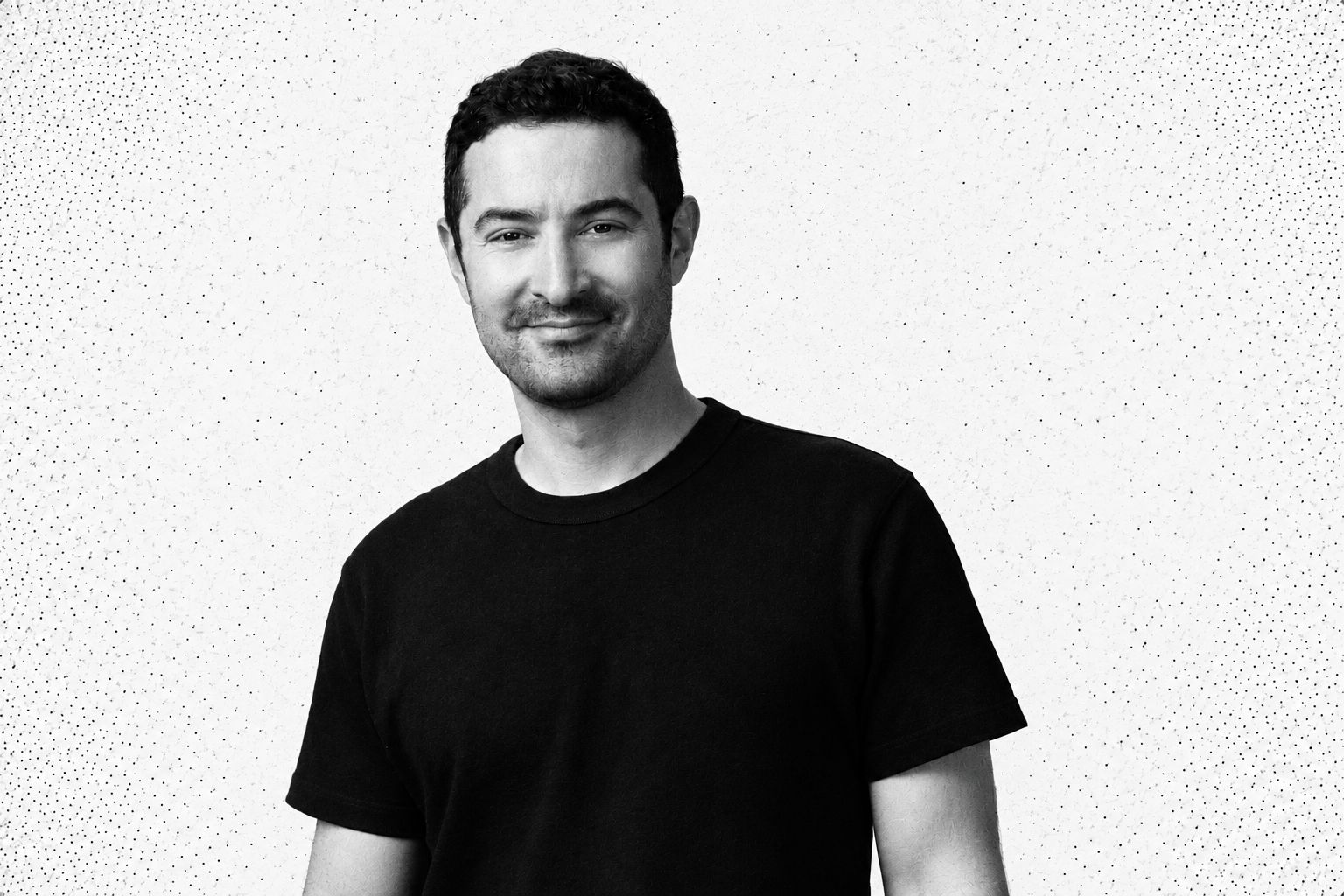
Elias Weiss Friedman | Founder, The Dogist Company
Elias Weiss Friedman spent a decade turning street photography into The Dogist, one of the largest dog-focused audiences online. Now he's testing whether that trust extends to physical products, starting with Vitality, a vet-formulated antioxidant chew built with Dr. Angela Rollins. He talks about the discipline of brand extension, the operational learning curve of a first physical product, and what a decade of stopping strangers on the street taught him about people, not just dogs.

Sarah McLean | Co-Founder & CEO, Big Damn Dog Co.
A joint supplement label that stopped at 60 pounds sent Sarah McLean looking for a product that did not exist. Big Damn Dog Co. is the bootstrapped answer: giant-breed formulations, dosing built for 120-pound dogs, and a customer list the founders still call by phone. Six months after launch, its Gravy Blend already accounts for roughly 40% of joint supplement sales.