Dechra agrees to buy pet stem cell developer Gallant
Dechra signed an agreement to buy Gallant Pet, a San Diego biotech whose ready-to-use stem cell therapy for cats with refractory gingivostomatitis has cleared its FDA effectiveness and safety sections. Terms are confidential. The deal adds a second biologics platform for osteoarthritis and atopic dermatitis after Dechra's Invetx purchase.
Dechra has signed an agreement to buy Gallant Pet, Inc., the San Diego biotech that is trying to bring the first ready-to-use stem cell therapy for pets through the FDA. The two companies agreed to keep the terms confidential, and the deal still has to clear customary closing conditions.
Gallant makes donor-derived mesenchymal stromal cell (MSC) therapies that a vet can take out of a freezer and give by IV, with no tissue harvest from the patient. Dechra called the purchase "complementary" and said it fits its long-term strategy to "serve unmet needs in specialty care."
Dechra buys a cat therapy close to FDA review
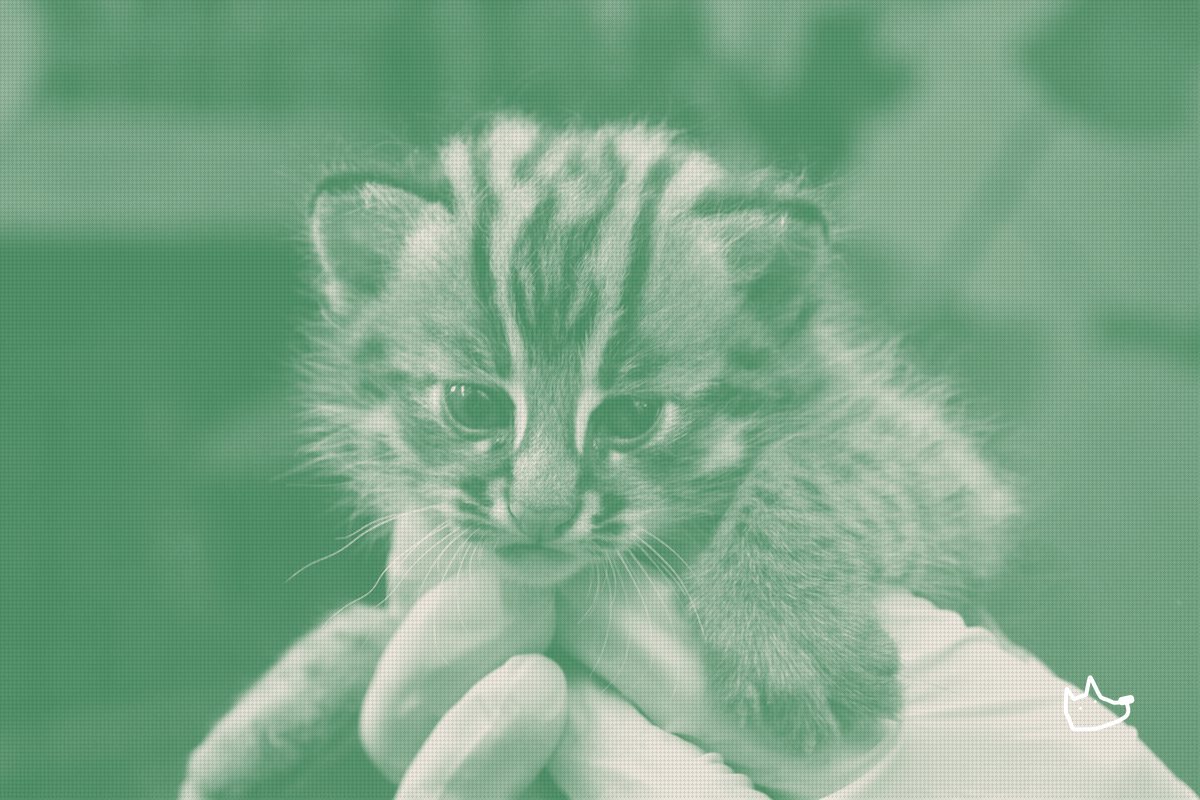
Gallant's lead product is sonruvetcel injectable suspension, a uterine-derived cell therapy for cats with refractory feline chronic gingivostomatitis (FCGS), a painful mouth inflammation that does not respond to standard care. The FDA's Center for Veterinary Medicine has signed off on both the effectiveness section and the 365-day target animal safety section of its conditional approval file.
In Gallant's pivotal field study, over 75% of treated cats showed a clinically relevant gain in quality of life by Day 90. Nearly half showed measurable improvement in their oral lesions, with no serious treatment-related adverse events.
Gallant has not announced a conditional approval yet. It had aimed for early 2026, then said in April that it expected the decision later this year.
If it comes through, Gallant says sonruvetcel would be the first FDA-labeled, off-the-shelf stem cell therapy in veterinary medicine.
The distribution plan is already built. Gallant signed MWI Animal Health, part of Cencora, to run what the companies call the first ultra-low temperature cold chain in veterinary medicine, shipping cells stored at -80°C overnight from MWI's Edwardsville, Kansas, distribution center.
"Breakthrough science only matters if we can safely and reliably put it into the hands of veterinary professionals," Dr. Linda Black, DVM, Ph.D., CEO of Gallant, said when the MWI partnership was announced.
Behind the cat product sits a pipeline aimed at much bigger markets. Gallant won FDA eligibility for the expanded conditional approval pathway for both its feline osteoarthritis therapy and its IV therapy for canine osteoarthritis, and it targets conditional approval for both in 2028. Programs in feline chronic kidney disease and canine atopic dermatitis follow.
The deal adds a second biologics platform in Dechra's own target diseases
Founded in 2018, Gallant raised an $18M Series B in mid-2025, led by Digitalis Ventures with BOLD Capital, Hill Creek Partners and NovaQuest Capital Management. It runs its own GMP manufacturing site in San Diego. Black, a former VetStem Biopharma product development executive, has led the company since April 2021, and its board includes former Elanco R&D chief Aaron Schacht and former Mars Veterinary Health president Doug Drew.
Dechra has been private since EQT and Luxinva, an Abu Dhabi Investment Authority subsidiary, completed their takeover in January 2024. Six months later it agreed to buy Invetx for up to $520M, adding long-acting monoclonal antibodies for dogs and cats.
Invetx's antibodies are aimed at osteoarthritis and atopic dermatitis in dogs and cats. Gallant's cell therapies chase the same two diseases, so Dechra now holds two biologic approaches, alongside its small-molecule drugs, to chronic conditions that drive repeat vet visits.
The company has spent 2026 building for that kind of product. It moved its global headquarters from Northwich, England, to Boston, hired former Elanco dealmaker Justine Conway in a new chief corporate strategy and business development role, and announced an aseptic manufacturing plant in East Windsor, New Jersey, for small molecules and biologics, due to open in 2028.
On the commercial side, Dechra launched the oral lymphoma drug Laverdia for dogs in September, another specialty product pitched for use in general practice.
General practice vets and rival biotechs feel it first
The biggest change is for general practice vets. Cell therapy for joint disease has usually meant injections into the joint, which Gallant notes require sedation and often a specialist referral.
Gallant's IV format and MWI's freezer-to-clinic shipping are built for a regular exam room, the same clinics Dechra already sells its specialty products to.
Cat owners stand to gain the most from the first launch. In a survey Gallant cited with its Series B, only 8% of veterinarians said they were satisfied with treatments for FCGS.
In osteoarthritis, the field is crowded. Zoetis already sells the monoclonal antibodies Librela for dogs and Solensia for cats for OA pain. Gallant's 2028 programs will meet them with a pitch to treat the disease process rather than the pain alone.
For other animal health startups, the deal is another quiet exit. Boehringer Ingelheim also kept the price private when it bought equine vaccine biotech Evax this year.
Next comes the close, then the FDA's decision on sonruvetcel. Gallant's IV osteoarthritis programs for cats and dogs are next in line, with conditional approval targeted for 2028.
Every pet deal we track is in The Underbite's pet industry M&A tracker.
Other News
More stories shaping the pet industry this week. From funding rounds and product launches to regulatory shifts and retail strategy, stay ahead of what's driving the market.

Fi bundles a free Mini tracker into AutoCamp's dog package
Fi is including a free Fi Mini GPS tracker and three months of membership in AutoCamp's VIP Package for dog owners, sold at eight open AutoCamp locations. The package waives AutoCamp's $75 pet fee on a two-night stay.

Ivy Farm says its cultivated Wagyu is cleared for UK pet food
Ivy Farm Technologies says its cultivated Wagyu beef is cleared for UK pet food, giving brands a second cultivated ingredient to consider alongside Meatly's chicken.

BARK beats revenue guidance at $87.6M as adjusted EBITDA turns positive
BARK posted fiscal second-quarter net revenue of $87.6M, above its $83.0M to $85.0M guidance, with adjusted EBITDA of $2.0M. Commerce revenue grew 3.6% while direct-to-consumer revenue fell to $61.8M. BARK reaffirmed full-year guidance and disclosed a preliminary understanding to sell BARK Air's assets and license the brand.