
Fetch drops the claim form for Vetster video visits
Fetch Pet Insurance launched Fetch Online Vet, powered by Vetster, giving members four video visits a year and unlimited chat with no upfront cost or claim to file. The $1,000 televet limit already existed. What changed is the paperwork, and it puts Fetch alongside Nationwide and Lemonade in treating telehealth as access rather than reimbursement.
The average virtual vet visit filed with Fetch Pet Insurance came to $114, according to the insurer's own claims data from July 2024 through April 2026. Those were reimbursement claims, which means the member paid first and filed after. Fetch now says four video visits a year will cost members nothing at the point of care and require no paperwork at all, which moves telehealth from something the policy repays to something the policy simply provides.
Fetch Online Vet puts Vetster visits inside the app
Fetch announced Fetch Online Vet, powered by Vetster, on September 29th, 2026. The service lives inside the Fetch Pet app and is limited to Fetch members, at no added cost.
Members get four video appointments a year and unlimited chat with veterinary care professionals. The release lists prescriptions, refills, nutrition, behavior, allergies, skin irritation, vomiting, diarrhea and minor wounds as in scope.
The mechanical change is billing. Fetch and Vetster handle the administration between themselves and track each member's usage against the $1,000 annual televet limit, so the member never files anything.
That $1,000 benefit is not new. Fetch's own coverage page already promised to reimburse 100% of virtual vet visits up to $1,000 a year with no copay and no deductible, at any online vet service in the U.S. and Canada, and named Vetster as its preferred partner. What changed is the payment rail, not the dollar amount.
Insurers are converging on the same no-claim telehealth layer
Our read is that the claim form was the weak point. A benefit that asks for paperwork on a $114 visit is one some owners will simply never bother to use.
Fetch is not alone in reaching for this. Nationwide already gives members unlimited 24/7 video access through VetHelpline, with the vets contracted through FirstVet, at no extra cost. Lemonade's app offers free access to veterinary experts via Chewy's Connect with a Vet, though Lemonade notes that team cannot diagnose, prescribe or treat. And Pumpkin put a 24/7 helpline into its standalone wellness membership that pulled perks out of the insurance policy in August.
The pattern echoes a move on the clinic side. Trupanion in August began wiring its claims engine directly into Digitail's practice software so the hospital, not the owner, handles payment. Fetch is applying that same logic to the virtual visit.
The insurer math is the part the release leaves out. Vetster pitches its insurer program on reducing claims and improving retention, and says 97% of its telemedicine consults resolve without an in-clinic visit. That figure is company-reported, but it explains why an insurer would happily absorb a cheap video call if it heads off a pricier clinic claim.
Four bundled visits use less than half the cap
The Vetster package inside Fetch looks a lot like what Vetster already sells direct. Its consumer pricing lists a single video appointment at $102 and a Vetster Plus membership at $120 a year that includes four virtual appointments.
By our math, four visits at Vetster's $102 list price comes to $408, or 41% of Fetch's $1,000 televet limit. Priced at Fetch's own $114 claim average, four visits reach $456, or about 46%. Either way, the headline cap is more than double what four visits would cost at per-visit prices.
Fetch's coverage page still says members can use any virtual vet service they like, so other providers remain a reimbursement route. What neither the page nor the release spells out is how a fifth Vetster visit is handled once the four bundled appointments are used.
The next test is utilization. If Fetch ever discloses how many members book a visit through the app versus how many filed televet claims before, that number will say whether removing the form actually changes behavior.
Access is the product now.
Other News
More stories shaping the pet industry this week. From funding rounds and product launches to regulatory shifts and retail strategy, stay ahead of what's driving the market.

Vet AI use hit 83.7%, and the biggest returns go to practices with a plan
AI use among veterinary professionals jumped from 39.2% to 83.7% in two years, according to a Digitail and AAHA study released October 1st. Most practices added AI without changing workflows, and the ones that built strategy and governance report six times the business outcomes.
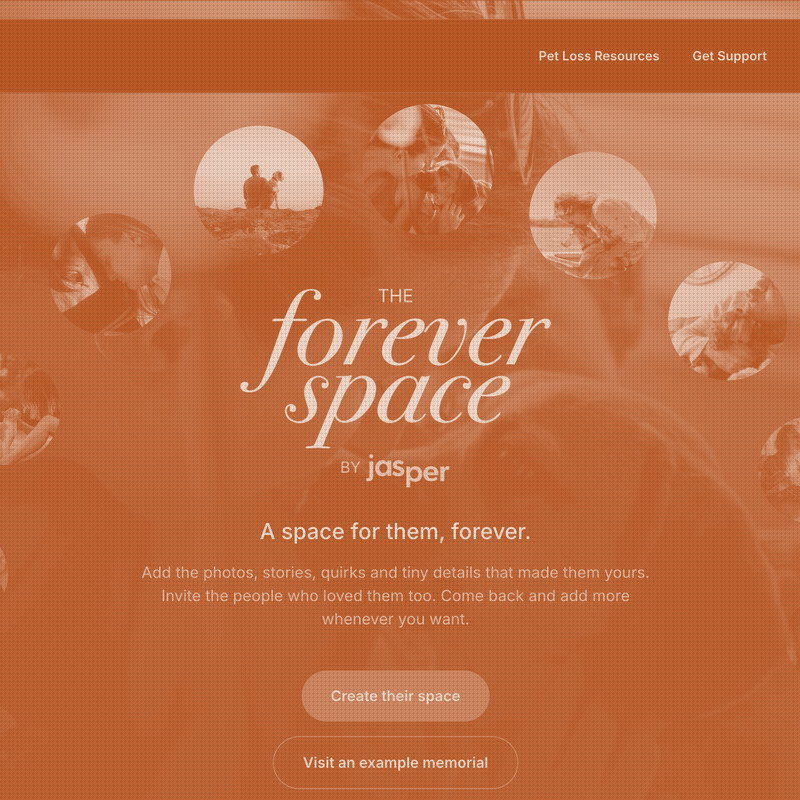
A Free Pet Memorial Builder Puts Grief Care on the Pet Industry's Map
Jasper, a pet loss grief community founded in 2024, launched The Forever Space, a free and shareable online memorial builder. With more than 1,000 members and a closely engaged community, it gives families a place to remember their pets and gives the pet industry a reason to think more carefully about the end of life.
A free vet portal brings pet insurance into the cost conversation
Clarus Technology launched a free portal that shows vets a client's pet insurance coverage and financing options at the point of care, and more than 500 U.S. practices have already planned to integrate it. The company is a subsidiary of Independence Pet Holdings, the platform behind Pets Best and Spot, and how the portal presents other carriers' coverage is the detail practices will want to see next.