
Trupanion Wires Its Claims Engine Straight Into Digitail's Vet Software
Trupanion has embedded its claims and payment tools directly into Digitail's veterinary practice-management platform, letting hospital staff file claims and clear payouts without leaving their software. The integration targets checkout friction as a driver of pet insurance's persistently low penetration, and raises the stakes for how insurers and practice-software vendors compete for embedded distribution.

Checkout at the vet is where a lot of insurance decisions quietly die. The desk asks for a card, the claim gets filed later if it gets filed at all, and the moment a client would have said yes has passed. Trupanion and Digitail are trying to close that gap by wiring Trupanion's claims and payment tools directly into Digitail's veterinary practice-management platform, so hospital staff can submit a claim and process the payout without leaving the software they already use all day.
Trupanion's claims portal now lives inside Digitail's platform
The integration embeds Trupanion's Veterinary Portal into Digitail, the AI-native practice-management software used by more than 10,000 veterinary professionals. Staff can submit an insurance claim with a single click from inside Digitail, then clear the payout through Trupanion's VetDirect Pay system without switching screens or re-entering client data.
Trupanion says 85% of its direct-to-practice payments already clear in seconds under VetDirect Pay, and that more than 11,000 North American hospitals use its Veterinary Portal in some form. Those hospitals cover upward of a million enrolled pets, which works out to roughly 91 enrolled pets per hospital across the portal network, using the two figures Trupanion disclosed in the same release. The integration also surfaces Trupanion's Exam Day Offer, a same-visit insurance option for eligible puppies and kittens, inside the normal Digitail checkout flow rather than as a separate signup step handled after the appointment.
Kalpesh Raval, Trupanion's vice president of commercial enablement, framed the change as a timing problem more than a technology one: insurance works better when it is offered at the moment a client needs it, not as paperwork handled afterward. Sebastian Gabor, Digitail's co-founder and chief executive, described checkout itself as the target, calling it a bottleneck the integration turns into a trust-building moment instead.
Why claims friction has been an underwriting problem in disguise
US pet insurance penetration sits at roughly 4.3% of dogs and cats, according to NAPHIA's state-of-the-industry data, even after a decade of double-digit annual growth. The industry has mostly treated that gap as an awareness and price problem. This deal treats part of it as a plumbing problem too.
If a clinic's own software can quietly file a claim and clear the payment before the client leaves the building, the insurer captures a renewal candidate at the exact moment coverage looks most valuable: right after it paid for something. That is a different acquisition motion than a mailer or a waiting-room pamphlet, and it costs the insurer nothing per lead beyond the integration build.
For practice operators, the pitch is administrative time back rather than a new revenue line. Staff currently reconciling paper claims, separate portal logins, and phone-based verification are the ones this integration is built to unhook. Digitail has been selling a productivity story since its $23 million Series B, led by Five Elms Capital, and a claims-and-payment layer that removes another manual task fits that same thesis.
The more interesting operator question is what this does to switching costs. Once a practice-management platform is wired into a specific insurer's claims and payment rails, ripping out either system gets harder to justify to staff who have learned the shortcut. Digitail is not exclusive to Trupanion, and Trupanion's Veterinary Portal is not exclusive to Digitail, but every embedded integration a software vendor signs makes its platform stickier for practices already enrolled with that insurer, and the insurer stickier inside that software. Practice-management is a crowded category, with Digitail competing against ezyVet, Provet Cloud, Shepherd, and others, and insurers are increasingly aware that the point of sale for their product now often sits inside somebody else's software rather than their own app or a hospital's front desk.
Trupanion has leaned on embedded distribution before, mostly through direct point-of-sale enrollment partnerships with individual veterinary hospitals and chains. Wiring into a practice-management vendor is a broader version of the same strategy, aimed at reaching volume across thousands of independent practices that Trupanion could never sign one hospital at a time.
Whether rival vet-software platforms build similar rails
Watch two things from here. First, whether Trupanion signs comparable integrations with other practice-management vendors, or treats Digitail as a pilot before extending the same claims-and-payment wiring to ezyVet's, Provet Cloud's, or Shepherd's client bases. An insurer whose pitch depends partly on frictionless claims has an incentive to be embedded everywhere a vet is already typing notes, not confined to one partner's software.
Second, whether Digitail's competitors respond with their own insurer integrations rather than waiting to see whether this one moves adoption. Practice-management vendors compete partly on how much manual work they strip out of a clinic's day, and an insurance-claims shortcut is a differentiator only until every platform has built one.
Numbers to track: any future disclosure of claims volume, approval time, or Exam Day Offer conversion specifically tied to the Digitail rollout, which would be the first evidence the integration changes insurance uptake rather than just clinic convenience. Trupanion reports enrolled-pet growth every quarter; a visible bump correlated with Digitail's installed base would be the clearest signal that embedded distribution through software, not marketing, is what moves a stubbornly low penetration rate.
Other News
More stories shaping the pet industry this week. From funding rounds and product launches to regulatory shifts and retail strategy, stay ahead of what's driving the market.

After 13 Years Photographing Dogs, The Dogist Launches Its First Product
Elias Weiss Friedman's picky-eater dog, Elsa, inspired his first product: Vitality, a $35 antioxidant chew developed with a board-certified veterinary nutritionist. Preorders open now ahead of a September 22nd release on The Dogist Company's site and TikTok Shop.
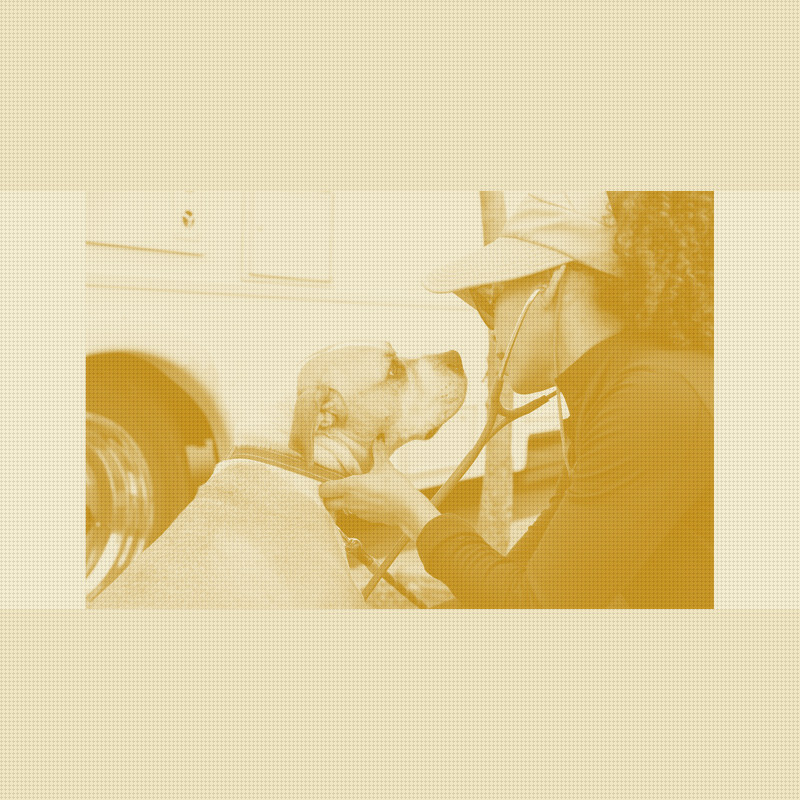
$250M Duffield Pledge Raises the Stakes on Vet Care Access
The Dave & Cheryl Duffield Foundation is committing $250 million over five years to expand nonprofit veterinary care, an initiative it calls the Duffield Big Bet for Pets. The pledge follows PetSmart Charities' $100 million commitment in 2023, pushing dedicated access-to-care philanthropy past $350 million in three years. For operators, the money increasingly funds nonprofit clinic capacity, not just family subsidies.

Loyal's Third Longevity Drug Clears the FDA's First Efficacy Bar
Loyal's LOY-003, a large-breed longevity drug targeting the growth hormone/IGF-1 pathway, has cleared the FDA's Reasonable Expectation of Effectiveness bar, the company's third such acceptance. The milestone de-risks Loyal's broader platform even as its furthest-along drug, LOY-002, still awaits a manufacturing review before conditional approval.