
Insect Protein Drops the Sustainability Pitch for an Allergy One
A new Future Market Insights report projects the insect-based pet food market growing from $1.5 billion to $4.0 billion by 2036, but the more useful signal is a positioning shift from sustainability marketing toward allergy and digestibility claims. The report names seven ingredient suppliers and seven consumer brands without ranking any of them.

Bug-based dog food is dropping the planet-saving pitch for a more practical one: allergies. That reframe, more than the market's growth rate, is the real story in a new pet-food market report published this week.
Insect-based pet food market seen reaching $4B by 2036
Future Market Insights sized the global insect-based pet food market at $1.5 billion in 2026, projecting growth to $4.0 billion by 2036, a 10.1% compound annual rate. Black soldier fly leads the insect-type breakdown with 36.3% of 2026 sales, dry formats lead product type at 44.2%, and dogs account for 59.7% of the category. Europe leads regionally with 37.3% share, with Germany the single largest national market and France close behind.
The report names Innovafeed, EnviroFlight, Entomo Farms, Hexafly, NextProtein, Entobel, and Nutrition Technologies as the leading ingredient suppliers, and Yora, Tomojo, Jiminy's, Chippin, Green Petfood, Percuro, and Petgood as the consumer brands building products on top of them. The analysis notes the category is "moving beyond sustainability-led trial and into practical nutrition positioning," with the fastest-growing product claim in 2026 being hypoallergenic, at 22.4% share.
Why the pitch is shifting from planet to allergies
Sustainability got insect protein onto pet food shelves. It isn't what's keeping it there.
Novel-protein categories in pet food tend to follow a predictable arc: launch on an environmental or ethical story, then survive or die on whether they solve a problem a large enough group of pet owners already has. Insect protein's environmental case, lower land and water use than conventional livestock protein, was always a better fit for early adopters than for the mainstream. A hypoallergenic and digestibility claim reaches a much bigger buyer: the dog-owning households already dealing with food sensitivities and shopping specifically for novel proteins their dog hasn't been exposed to before.
That reframe also explains the named brand list. Chippin and Jiminy's, both US-based, have built their positioning around protein diversity and digestibility rather than sustainability messaging alone, while European entrants like Yora and Green Petfood originally leaned harder on the environmental case. A market moving toward allergy and digestibility claims favors whichever of these brands adapts its marketing fastest, regardless of which one has the deepest sustainability roots.
What the report doesn't disclose is any comparative revenue or market-share breakdown among the seven ingredient suppliers or seven consumer brands it names. For a report detailed enough to size hypoallergenic claims at 22.4% of the category, that's a real gap: naming the players without ranking them tells operators who's in the market, not who's winning it.
Which named brands are actually testing that shift
The signal to watch is whether any of the named consumer brands, Chippin and Jiminy's in the US in particular, formally shift their marketing and product claims toward allergy management over the next few quarters, or whether the positioning change shows up only in analyst framing rather than actual brand messaging.
Also worth tracking: whether any of the seven named ingredient suppliers, Innovafeed and EnviroFlight are the two with the most public production-capacity announcements to date, disclose new capacity or new pet-food-specific supply deals. A capacity buildout aimed specifically at hypoallergenic formulations would be the clearest confirmation that the sustainability-to-allergy pivot is a supply-chain decision, not just a marketing one.
Source: Insect-based Pet Food Market to Reach USD 4.0 Billion by 2036 via PR Newswire
Other News
More stories shaping the pet industry this week. From funding rounds and product launches to regulatory shifts and retail strategy, stay ahead of what's driving the market.
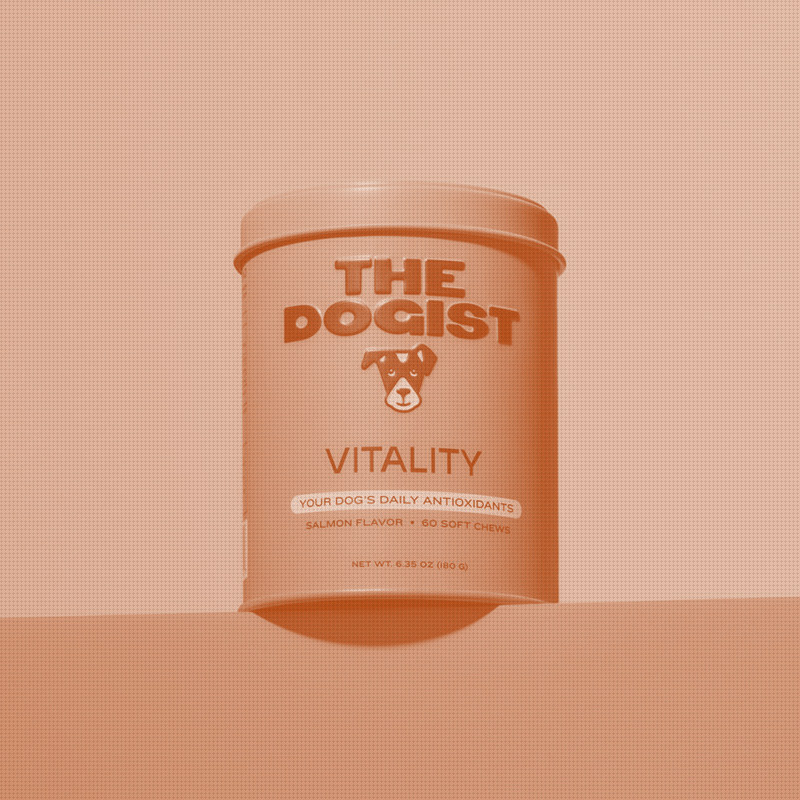
After 13 Years Photographing Dogs, The Dogist Launches Its First Product
Elias Weiss Friedman's picky-eater dog, Elsa, inspired his first product: Vitality, a $35 antioxidant chew developed with a board-certified veterinary nutritionist. Preorders open now ahead of a September 22nd release on The Dogist Company's site and TikTok Shop.

$250M Duffield Pledge Raises the Stakes on Vet Care Access
The Dave & Cheryl Duffield Foundation is committing $250 million over five years to expand nonprofit veterinary care, an initiative it calls the Duffield Big Bet for Pets. The pledge follows PetSmart Charities' $100 million commitment in 2023, pushing dedicated access-to-care philanthropy past $350 million in three years. For operators, the money increasingly funds nonprofit clinic capacity, not just family subsidies.

Loyal's Third Longevity Drug Clears the FDA's First Efficacy Bar
Loyal's LOY-003, a large-breed longevity drug targeting the growth hormone/IGF-1 pathway, has cleared the FDA's Reasonable Expectation of Effectiveness bar, the company's third such acceptance. The milestone de-risks Loyal's broader platform even as its furthest-along drug, LOY-002, still awaits a manufacturing review before conditional approval.