Spectrum Brands Raises Guidance on an EBITDA Beat Inflated by Tariff Refunds
Spectrum Brands posted a headline EBITDA jump of 106.7% in fiscal Q3, but roughly three-quarters of that growth came from a one-time tariff refund. Global Pet Care grew a steadier 2.9% organic, and the company raised full-year guidance regardless.
Three-quarters of a public pet-and-home company's earnings growth this quarter came from a one-time government refund, not the underlying business. Spectrum Brands' adjusted EBITDA more than doubled in its fiscal third quarter on that basis, but strip out the $60.6 million tariff refund and the growth rate falls to roughly a quarter of what the headline implies — worth knowing before benchmarking your own numbers against a public comp's guidance raise.
Spectrum Brands raises FY2026 EBITDA guidance on a Q3 beat
Spectrum Brands reported fiscal third-quarter results on August 7, with net sales up 7.7% to $753.3 million and organic sales up 6.6%. Reported adjusted EBITDA jumped 106.7% to $158.3 million.
Strip out $60.6 million in one-time tariff refunds and adjusted EBITDA excluding that item rose 27.5% to $97.7 million. Adjusted diluted EPS came in at $2.79, up 125%, or $0.89 excluding the refund.
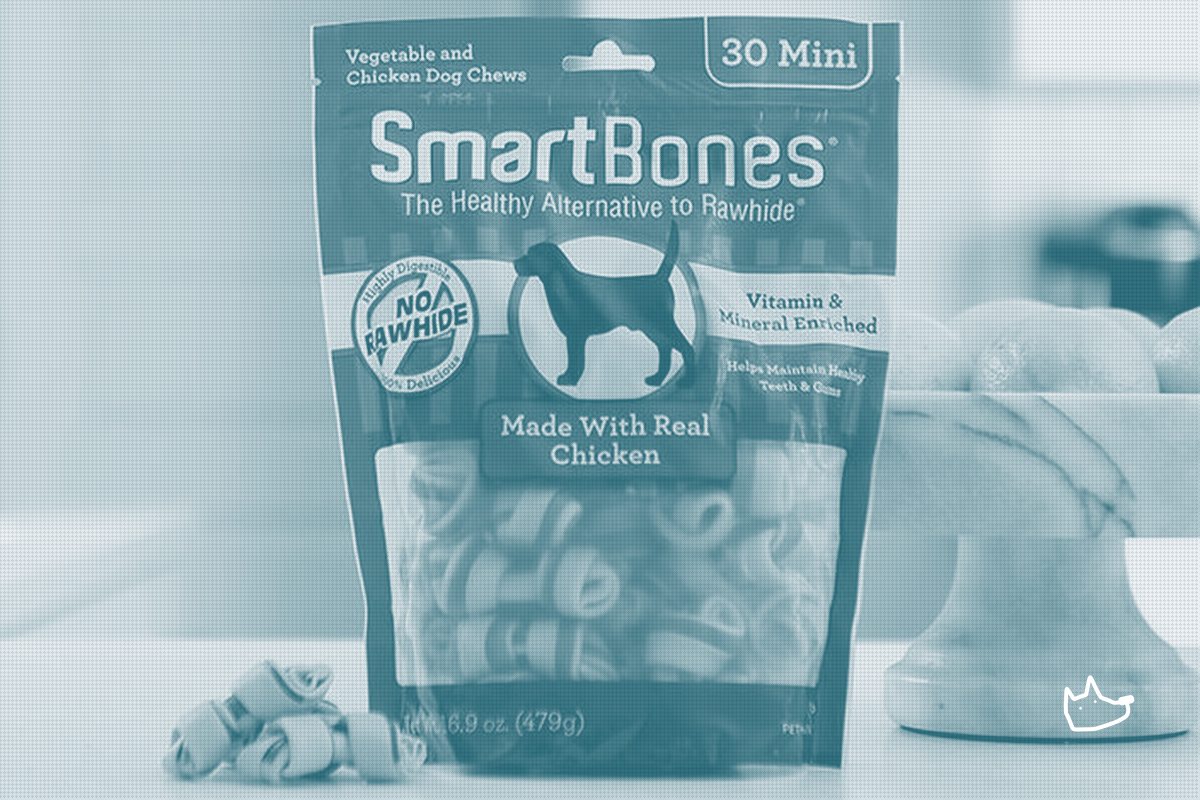
The Global Pet Care segment posted net sales of $263.7 million, up 3.3% (2.9% organic), with adjusted EBITDA excluding refunds of $51.9 million, up $7.9 million, and margin expanding 250 basis points to 19.7%. Companion Animal sales rose mid-single digits on market-share gains in chews, stain and odor control, and grooming; Aquatics sales declined mid-single digits.
Management raised its full-year adjusted EBITDA growth outlook, excluding tariff refunds, to mid-single digits while holding sales guidance at flat to low-single-digit growth. Shares rose about 6.5% on the print, to $94.01, within striking distance of the stock's 52-week high of $99.06.
Why the underlying growth is a third of the headline
The tariff refund is the number that matters here. Adjusted EBITDA grew $81.7 million year over year, and $60.6 million of that, roughly three-quarters, was a one-time refund tied to duties the company had already paid and is now recovering through customs filings. The remaining $21.1 million of actual operating improvement is what produced the 27.5% growth figure management is guiding off of. A reported 106.7% EBITDA jump and a 27.5% underlying one are very different numbers to be quoting at each other in a board meeting.
The segment split tells a second, quieter story. Global Pet Care's organic growth of 2.9% looks unremarkable next to Home & Garden's 19% sales jump, driven by a strong pest-control and herbicide season. For an operator selling into pet retail, that gap is arguably more useful than the headline: category demand did not reaccelerate this quarter, share simply moved between competitors. The margin gain in pet care came from mix and cost discipline in chews and grooming, not from the market getting bigger.
Spectrum Brands is also mid-transition. Earlier this year, Oaktree Capital made a $127 million strategic investment in the company's Home & Personal Care business, a step widely read as preparation to separate that more cyclical unit from the steadier pet and garden businesses it sits alongside today. Net debt leverage stands at 1.02x adjusted EBITDA, well under the company's 2 to 2.5x target, and the CEO has flagged active M&A evaluation on the call. A company with that much balance-sheet room and a pet segment gaining share is a plausible acquirer, not just a target.
Spectrum Brands is the third pet-adjacent public company this earnings season to raise guidance, following Central Garden & Pet's own guidance increase despite an 8% headline sales decline, and Elanco's second straight quarterly guidance raise. None of the three raises are built on category acceleration. Each is a story about margin, mix, or one-time items doing the work that top-line growth used to do.
That pattern matters for anyone reading public comps as a proxy for category health. If three different pet-adjacent suppliers are all guiding higher without their top lines actually reaccelerating, the read for private operators is not "demand is back." It is closer to: the companies with pricing power, cost discipline, or a one-time tailwind are managing to a better bottom line inside a category that is still growing slowly. Confusing the two when pitching a board or a lender on category tailwinds is an easy mistake to make this earnings season.
What Q4 comps and the Oaktree split mean next
Management flagged that Global Pet Care sales are expected to be down year over year in the fiscal fourth quarter because of a tough prior-year comparison. Whether that turns out to be conservative guidance or an early sign of real deceleration is the number to watch when the quarter reports.
The tariff refund itself is not fully collected. About half of the recognized $60.6 million had actually hit the bank as of the earnings call, with the rest expected by the end of calendar 2026. The P&L benefit is booked; the cash is still arriving.
The bigger structural question is what happens with Spectrum Brands and Oaktree's partnership on the Home & Personal Care business. A formal divestiture or spin would leave a leaner, two-segment company built around Global Pet Care and Home & Garden, which would change how the pet unit gets valued and benchmarked on its own. Given the balance sheet capacity, a bolt-on pet-care acquisition before that split lands would not be a surprise.
Other News
More stories shaping the pet industry this week. From funding rounds and product launches to regulatory shifts and retail strategy, stay ahead of what's driving the market.

GoodVets Buys WellHaven's 40 Hospitals, Ending Its De Novo-Only Era
GoodVets is acquiring WellHaven Pet Health's network of more than 40 hospitals, growing its footprint from 75 to 116 locations. The deal marks a shift from the de novo strategy that defined the General Atlantic-backed platform's first decade toward the acquisition-led growth every other scaled vet consolidator already runs on.
Dechra's Oral Cancer Pill Targets the Dogs Chemo Never Reaches
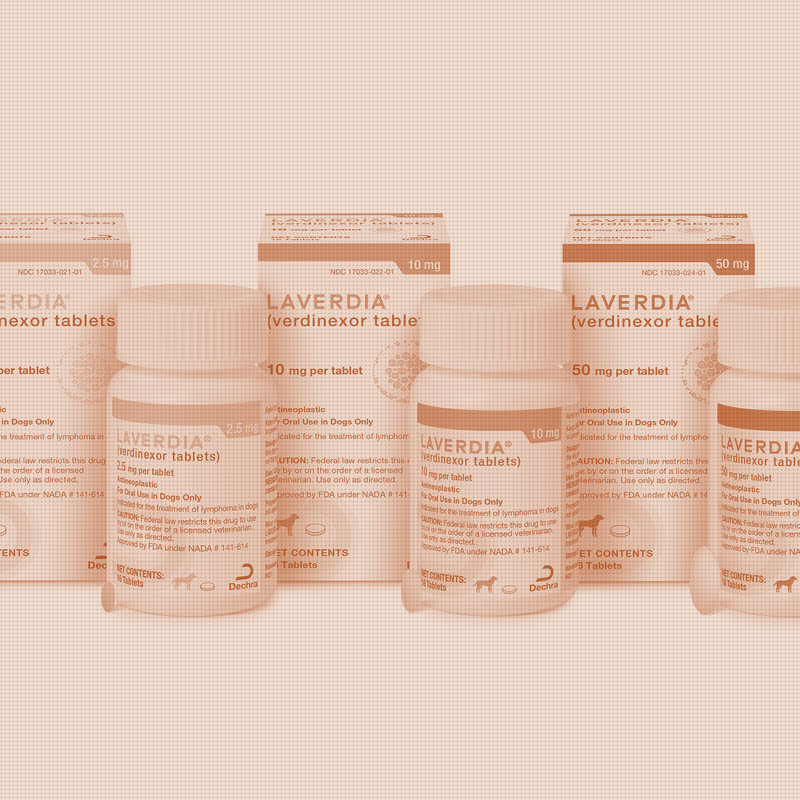
Dechra is commercially launching Laverdia, the first FDA-approved oral treatment for canine lymphoma, developed by Anivive and licensed to Dechra in 2022. The bet isn't on winning cases from oncology referral networks, but on treating the roughly 80% of diagnosed dogs who currently get no chemotherapy at all.

PetMeds Names New CEO, Rebuilds Board Amid Takeover Fight
PetMeds named Jeff Willard as its next CEO and added two new independent directors, including a Shake Shack executive as board chair, while a $3-a-share takeover bid from SilverCape Investments remains unanswered since June. None of the three new leaders has prior ties to the company, a signal the board is building outside credibility for whatever comes next.