How Many New Pet Drugs Does FDA Approve? We Counted
We counted every original FDA approval for dogs and cats since January 2025. 68% were generics, only 13 were brand or conditional, and cats got 6 approvals of their own.
Key findings
- FDA approved 41 original drug applications for dogs and cats from January 2025 through October 20, 2026. 28 of them, 68%, were generics (The Underbite count of FDA's Recent Animal Drug Approvals list).
- Only 13 were brand or conditional approvals, and 11 of those 13 were for dogs alone.
- Cats got 6 cat-only approvals in that window, against 27 for dogs alone. Another 8 covered both species.
- Three sponsors, Felix, Cronus and ZyVet, won 20 of the 28 dog and cat generics, 71%.
- GAO counted 11 conditional and nearly 80 full new animal drug approvals from fiscal 2018 through 2025, with yearly totals varying from 14 in 2018 to 8 in 2024.
- FDA's fee to file a new animal drug application is $621,692 for fiscal 2027, against $132,614 for a generic application (FDA).
Pet owners hear about new animal drugs the same way they hear about new human ones, as launches. A monthly injection for arthritis pain. A flea and tick shot that lasts a year. The headlines make it sound like the pet pharmacy is filling up fast.
The approval record tells a quieter story. Most of what FDA approves for dogs and cats is a copy of something it already approved. The genuinely new drugs come in a trickle, and they are mostly for dogs.
We counted every original approval on FDA's public list to see what the agency actually cleared for pets.
How many pet drugs does FDA approve each year?
FDA's Center for Veterinary Medicine publishes a running list of recent animal drug approvals. On the day we pulled it, it listed approvals from October 7, 2024 to October 28, 2026. The latest original approval was October 20, 2026. We kept only original approvals, meaning a new brand application, a new generic or a new conditional approval, and dropped supplements that change an existing label.
From January 1, 2025 through October 20, 2026, FDA approved 41 original applications for drugs used in dogs, cats or both.
| Type of approval | Dogs and cats, Jan 2025 to Oct 20, 2026 | Share |
|---|---|---|
| Generic (abbreviated application) | 28 | 68% |
| Brand (full new animal drug application) | 10 | 24% |
| Conditional approval | 3 | 7% |
| Total | 41 | 100% (shares rounded) |
By calendar year, pets got 23 original approvals in 2025 and 18 in 2026 through October 20. Food animals got 19 in 2025 and 11 in 2026 over the same span.
How we know: The Underbite count of FDA's Recent Animal Drug Approvals list, pulled November 14, 2026. We classed approvals by application number. ANADA 200-series numbers are generics, NADA 141-series numbers are brand approvals, and products whose names end in CA1 are conditional approvals. Species come from each listing. FDA labels the list as recent approvals and we did not audit it against the full Green Book, so treat the counts as FDA's public record, not a census.
Why are most new pet drug approvals generics?
Mostly because generics are far cheaper to bring to market.
A generic sponsor does not need to prove a drug works. It needs to show its version matches the brand drug FDA already approved. That makes the economics very different from a brand application, which carries an application fee of $621,692 for fiscal 2027, before the cost of the studies behind it. A generic application costs $132,614.
The generics wave is concentrated. Three sponsors won 20 of the 28 dog and cat generic approvals in our window.
- Felix: 11 generics
- Cronus: 6 generics
- ZyVet: 3 generics
- Eight other sponsors: 1 each
Cronus Pharma, which FDA describes as based in India, has been at this for a while. It won approval for the first generic pimobendan, a copy of the heart drug Vetmedin, in April 2024, and more recently ended Elanco's monopoly on Onsior injection.
For clinics, the generic wave looks mostly like good news. More sources for the same molecule can mean lower acquisition cost and fewer supply gaps. For the brand companies, it means older franchises are eroding while the replacements arrive slowly.
What new brand drugs did dogs and cats get?
Thirteen brand or conditional approvals in nearly two years. Here is the full list from FDA's record.
- 2025: felycin-CA1 (TriviumVet, cats, conditional), Otiserene (Dechra, dogs), Mometamax Single (Intervet, dogs), Bravecto Quantum (Intervet, dogs), Credelio Quattro-CA1 (Elanco, dogs, conditional), CosACTHen (Dechra, dogs), Laverdia (Anivive, dogs)
- 2026 through October 20: KBroVet (Pegasus, dogs), Numelvi (Intervet, dogs), Amodip (Ceva, cats), Tessie (Orion, dogs), Liavium-CA1 (TriviumVet, dogs, conditional), Convenia RTU (Zoetis, dogs)
Two patterns stand out.
First, cats get far fewer. Only 2 of the 13 brand and conditional approvals were for cats. Across all 41 original approvals, 6 were for cats alone, against 27 for dogs alone. The drug pipeline for cats is a fraction of the one for dogs.
Second, the biggest animal health companies are not the only ones getting new approvals. Zoetis, Elanco and Merck Animal Health, which files in the US as Intervet, account for 5 of the 13. The rest went to Dechra, TriviumVet, Anivive, Pegasus, Ceva and Orion.
Not every brand approval is a new molecule. Some are new forms of drugs that already exist, such as a ready-to-use version of an injection or a single-dose version of an ear treatment. Two others were full approvals for drugs already sold under conditional approval since January 2021: Laverdia for canine lymphoma and KBroVet for seizures in dogs. The list above counts approvals, not breakthroughs.
Is the FDA pet drug pipeline slowing down?
GAO, Congress's audit agency, looked at this in a March 2026 report on unmet animal health needs. Its counts cover new animal drugs only, not generics.
- From fiscal 2018 through 2025, FDA fully approved nearly 80 new animal drugs and conditionally approved 11.
- Yearly totals of full and conditional approvals varied from 14 in fiscal 2018 to 8 in fiscal 2024. FDA officials told GAO there was no specific positive or negative trend in that variation.
- Of the 11 conditional approvals, 7 were for dogs and 2 for cats.
- FDA processed nearly 99% of new animal drug application materials on time from fiscal 2020 to 2024, against a goal of 90%.
That last point matters. The low counts do not appear to come from slow FDA review. FDA officials told GAO that mergers in the animal pharmaceutical industry were one possible reason for fewer new animal drug applications, and GAO noted that fewer applications in turn means fewer approvals. The report's title sums up GAO's view: strengthening federal incentives could help address unmet animal health needs.
Conditional approval is the main tool built for that gap. It lets a sponsor sell a drug for up to five years once it shows a reasonable expectation that the drug works, while it finishes the studies for full approval. FDA accepted alternative study designs for 8 of the 11 conditionally approved drugs and 24 of 77 fully approved ones, GAO found.
What does this mean for pet health companies?
- The generic shelf is crowding. With 68% of recent pet approvals being generics and three sponsors winning most of them, price pressure on older brand drugs is likely to keep building.
- Cats are an open lane. Six cat-only approvals in nearly two years, against 27 for dogs alone, is a thin pipeline.
- The FDA route is slow and expensive, but it is open. FDA reviews on time. In our view the bottleneck is the cost and length of the studies, which is why conditional approval and alternative study designs keep showing up.
- Human drugs are a source. Some companies are repurposing human molecules for pets to shorten the path, as Familiar raised $5M to do.
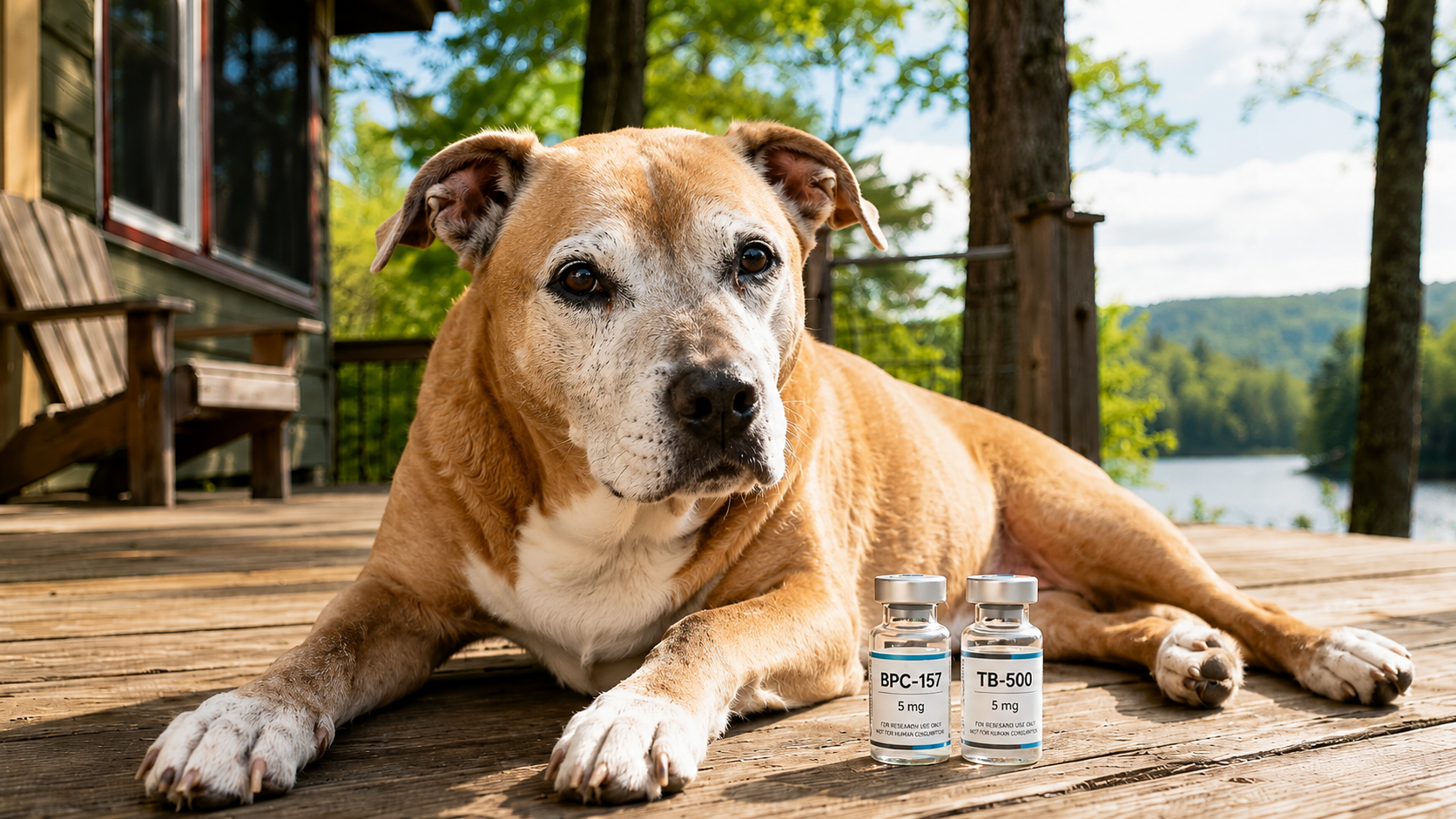
The contrast with the unregulated side of pet health is sharp. While approved drugs take years and a six-figure filing fee, unapproved products can reach pet owners with no review at all, as we found in our look at BPC-157 for dogs. The approval route is slow, and it is also the route that requires FDA review of safety and effectiveness.
Keep reading
- BPC-157 for dogs: peptides, bad vials and the FDA gap
- Loyal raises $100M to bring the first canine longevity drug to market
- Cronus Pharma ends Elanco's Onsior injection monopoly
Cite this: The Underbite, "How Many New Pet Drugs Does FDA Approve? We Counted," November 14, 2026. https://www.theunderbite.co/health-vet-care/fda-pet-drug-approvals-count
Affiliated Products
Lorem ipsum dolor sit amet, consectetur adipiscing elit. Suspendisse varius enim in eros elementum tristique. Duis cursus, mi quis viverra ornare, eros dolor interdum nulla, ut commodo diam libero vitae erat.