DOJ Sues Darwin's Pet Food Over a Decade of Ignored Contamination Warnings
The Department of Justice is suing Darwin's Natural Pet Products, seeking a permanent injunction over contamination findings dating back to 2017 and a child's E. coli-linked hospitalization. It's a harsher, rarer enforcement path than the recalls that usually settle pet food safety cases, and it raises the bar for every raw feeding brand with open FDA warnings of its own.
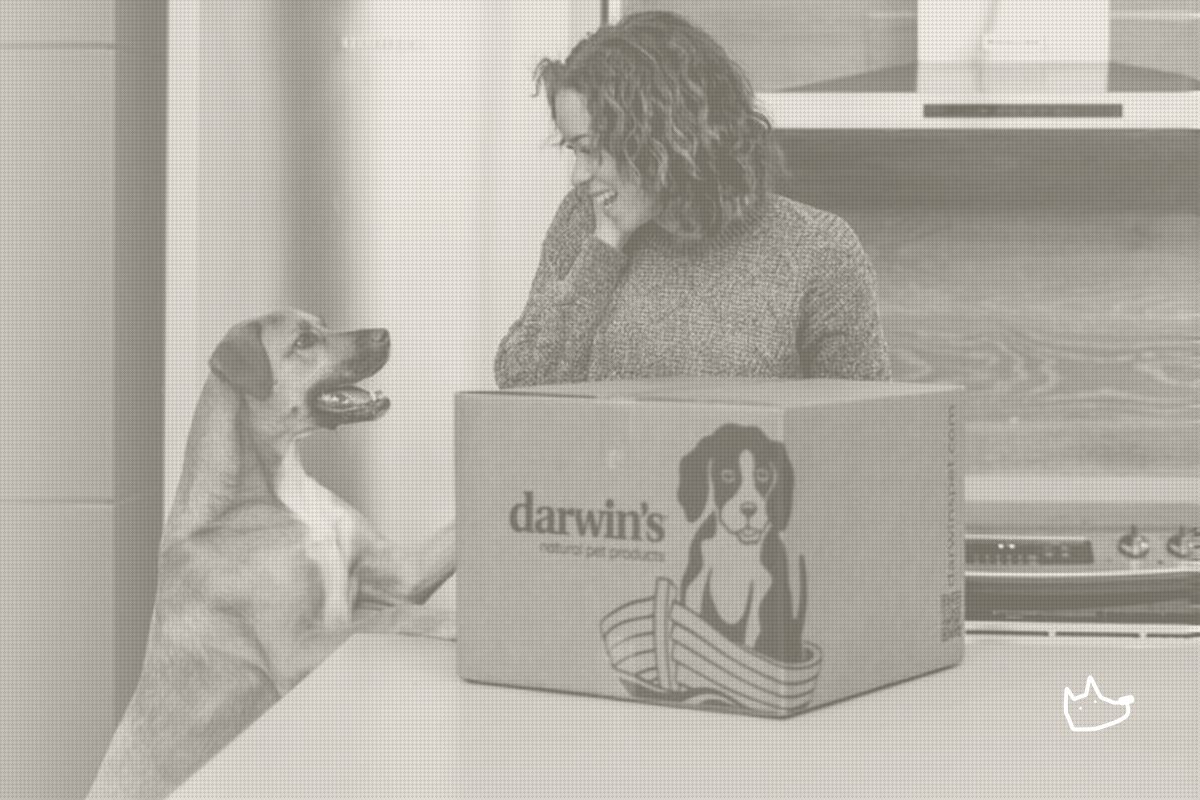
A federal lawsuit filed this month accuses a Washington state pet food maker of shipping contaminated raw food nationwide for nearly a decade, despite repeated warnings from regulators. The Department of Justice wants a federal court to permanently stop Darwin's Natural Pet Products from manufacturing raw pet food at all, a far harsher remedy than the recall notices that typically resolve contamination cases in this category.
DOJ files suit against Darwin's over years of contamination
The complaint, filed August 7th in the U.S. District Court for the Western District of Washington, targets Arrow Reliance Inc., which does business as Darwin's Natural Pet Products, and its founder and chief executive, Gary Tashjian. It seeks a permanent injunction barring the Tukwila, Washington company from making or selling adulterated pet food.
Government inspectors found Salmonella, Listeria monocytogenes, and Shiga toxin-producing E. coli in finished products going back to 2017, according to the filing. The complaint charges six counts under the Federal Food, Drug, and Cosmetic Act, including adulteration and failure to follow federally required preventive controls.
The human health angle is what separates this from a routine pet food case. A four-year-old developed hemolytic uremic syndrome in 2024 after the family's dog ate Darwin's product. Lab testing matched the E. coli strain from the child's illness to bacteria found in an unopened package from the family's home.
The complaint also cites 49 consumer reports of sick pets tied to the company's products: 34 dogs, five of which died, and 35 cats, four of which died. FDA official Timothy Schell said the company "continues manufacturing contaminated products" despite repeated warnings, a reference to a September 2025 FDA advisory that had already flagged Salmonella and Listeria in the company's BioLogics beef recipe.
Tashjian disputed the allegations in a statement, saying the company "strongly disagree[s] with the FDA's recent claims" and intends to "vigorously defend" its ability to keep making raw pet food.
Raw pet food makers now face a harsher enforcement bar
Warning letters and voluntary recalls have been the default regulatory tool in pet food contamination cases. The Underbite covered one of those routine cases just hours before this filing became public, when Oma's Pride pulled a single lot of raw chicken dog food after a Salmonella finding with no prior violation history behind it.
Darwin's case is different in kind, not just degree. A permanent injunction is the government's tool for companies regulators believe won't fix the problem voluntarily, and it is rarely used against a pet food manufacturer specifically. The complaint reads less like a single-incident enforcement action and more like a company-wide indictment of a manufacturing process regulators say has failed repeatedly since 2017.
That distinction matters for every operator in the raw and frozen category, which has already logged a rough 2026: a nationwide veterinary drug recall tied to contamination, and now two separate raw-food contamination stories inside the same week. Raw feeding's entire pitch rests on freshness beating heat-treated kibble on nutrition, a case built on skipping the kill step that also makes contamination harder to catch before product ships. A DOJ willing to pursue an injunction against one named operator raises the stakes for any raw brand still working through open FDA warning letters of its own.
Retailers and insurers underwriting raw food's growth now have a new data point to weigh: how a regulator responds when a company doesn't fix its process after a warning. A brand's contamination history is no longer just a recall-frequency question for a buyer's risk model. It's now a question of whether the FDA considers a company a repeat offender headed toward federal court, a much higher bar for a delisting decision than a single voluntary recall.
Whether other repeat violators face the same DOJ move
The case's outcome will set a marker for how far the DOJ is willing to go against the raw pet food category specifically. Arrow Reliance can contest the complaint, negotiate a consent decree that keeps some production running under stricter oversight, or shut down raw manufacturing entirely rather than fight a federal injunction.
Worth tracking over the coming months: whether the FDA's Center for Veterinary Medicine flags other raw or frozen brands with open, unresolved warning letters for the same treatment, and whether Darwin's continues shipping product while the case proceeds. A consent decree with ongoing operating conditions would be a very different outcome for the category than a shutdown, and raw feeding brands with cleaner compliance records have an opening to make that contrast explicit to retailers and customers watching this case unfold.
Source: Department of Justice
Other News
More stories shaping the pet industry this week. From funding rounds and product launches to regulatory shifts and retail strategy, stay ahead of what's driving the market.
GoodVets Buys WellHaven's 40 Hospitals, Ending Its De Novo-Only Era
GoodVets is acquiring WellHaven Pet Health's network of more than 40 hospitals, growing its footprint from 75 to 116 locations. The deal marks a shift from the de novo strategy that defined the General Atlantic-backed platform's first decade toward the acquisition-led growth every other scaled vet consolidator already runs on.
Dechra's Oral Cancer Pill Targets the Dogs Chemo Never Reaches
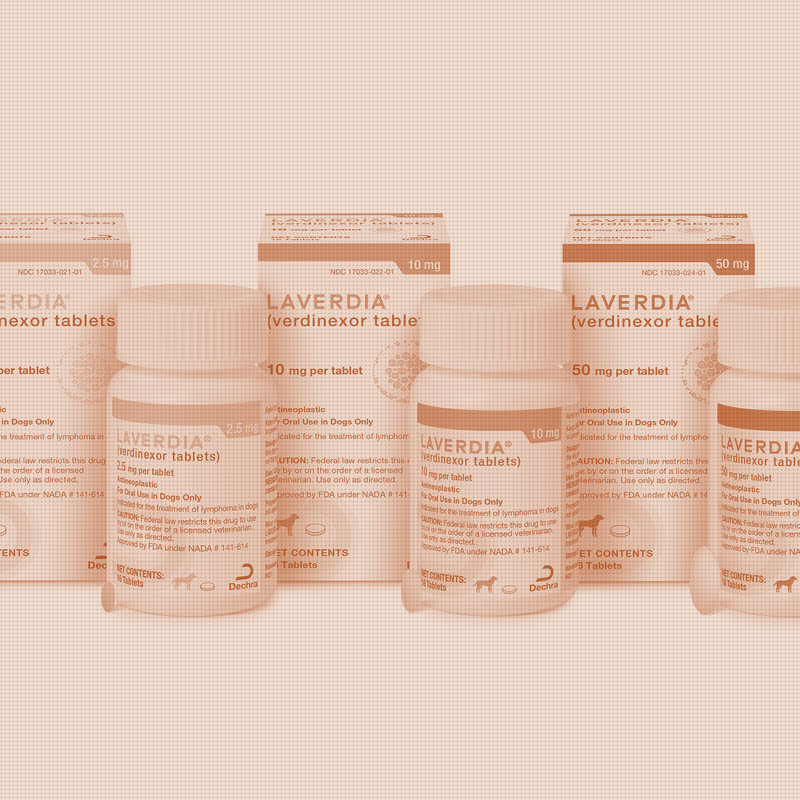
Dechra is commercially launching Laverdia, the first FDA-approved oral treatment for canine lymphoma, developed by Anivive and licensed to Dechra in 2022. The bet isn't on winning cases from oncology referral networks, but on treating the roughly 80% of diagnosed dogs who currently get no chemotherapy at all.
PetMeds Names New CEO, Rebuilds Board Amid Takeover Fight
PetMeds named Jeff Willard as its next CEO and added two new independent directors, including a Shake Shack executive as board chair, while a $3-a-share takeover bid from SilverCape Investments remains unanswered since June. None of the three new leaders has prior ties to the company, a signal the board is building outside credibility for whatever comes next.